

Medieval Days in Tallinn 2027 – Festival Estonia
What to expect in 2027
Medieval Days in Tallinn 2027 will transform the historic heart of Tallinn Old Town into a lively medieval-inspired celebration of crafts, music, historical traditions, workshops, performances, markets and cultural experiences. The festival is organised by the Estonian Folk Art and Handicraft Union and has developed from a medieval market first established in Tallinn in 2000. Today, the event combines historical interpretation with music, drama, handicrafts and public participation.
The 2027 edition is scheduled for 9–11 July 2027. The official festival website already lists the 2027 edition and has published programme information for the festival, including a medieval market, historical tours, craft workshops, early music, medieval dances, fire theatre, historical combat and other activities.
Visitors can expect the festival to spread through several parts of Tallinn’s Old Town rather than being confined to one enclosed festival ground. Town Hall Square forms the central stage and market area, while the surroundings of St Nicholas’ Church and Niguliste Hill provide additional historical, craft and family experiences. Kullassepa, Kuninga and Harju streets are also incorporated into the medieval market atmosphere.
Make Your European Event Trip Easy with Eura Travelo
Traveling to Europe for a festival, concert, sporting event, or business occasion involves more than simply choosing an event. Eura Travelo helps bring your journey together with support for travel planning, accommodation, event arrangements, and local experiences. Save time, reduce the hassle, and enjoy a smoother journey from planning to the event itself.
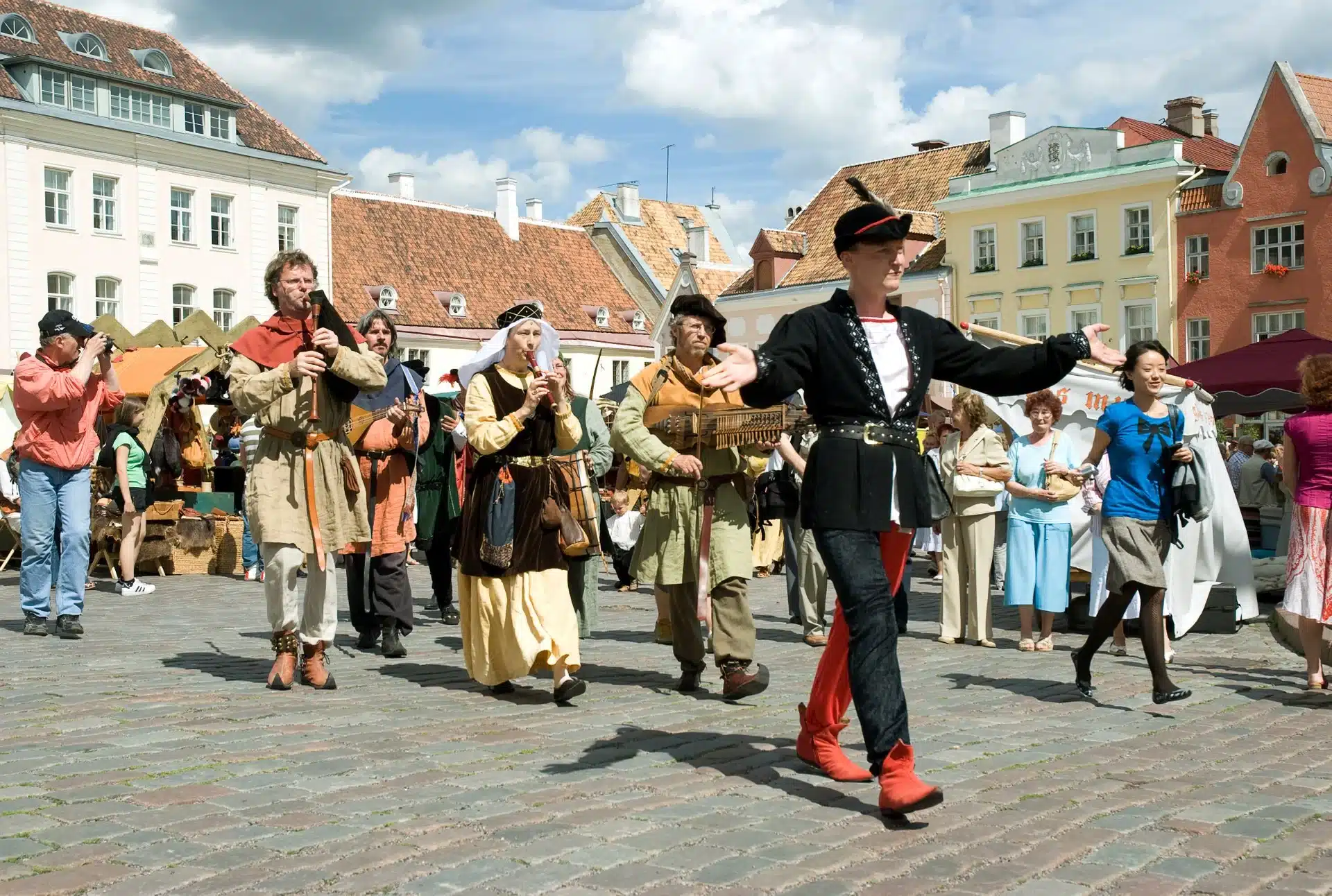
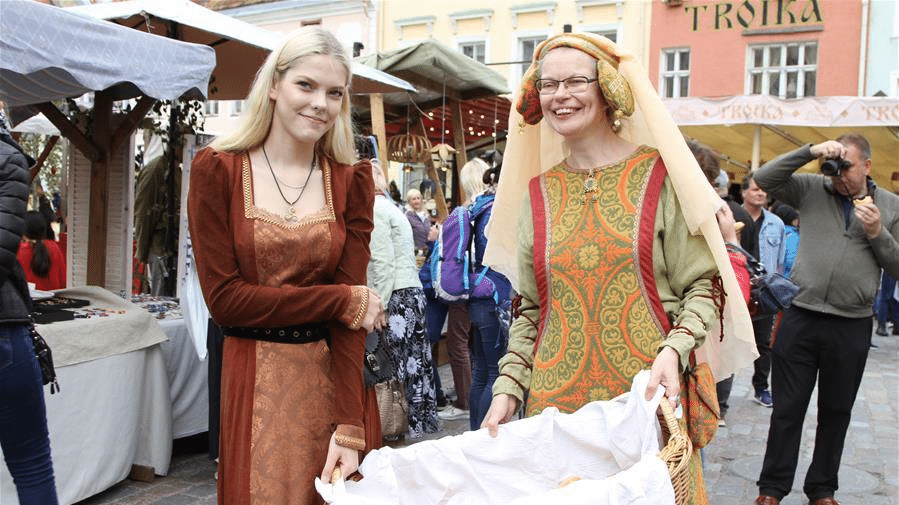
The atmosphere is designed to recreate the feeling of a Hanseatic medieval town. Craftspeople demonstrate traditional techniques, musicians perform early and folk-inspired music, historical characters and performers animate the streets, and visitors can take part in hands-on workshops.
Event dates
Medieval Days in Tallinn 2027 is scheduled for 9–11 July 2027 in Tallinn, Estonia.
The festival’s official website identifies 9–11 July 2027 as the next edition. The detailed programme currently published by the organisers provides a substantial indication of the activities planned for the 2027 festival.
Because the festival uses several Old Town locations, visitors should check the official programme before attending individual workshops, tours and performances. Some activities require separate entry passes, while others are free, donation-based or accessible as part of the general festival atmosphere.
Visiting this event? Don’t miss out on these amazing activities and local experiences while you’re here.
Venues & festival locations
The festival takes place across Tallinn’s historic Old Town, using streets, squares, museums, historic buildings and cultural venues.
Town Hall Square: The principal gathering point, featuring the medieval market, main stage, craft workshops and major public performances. The official market programme describes Town Hall Square as the heart of Medieval Days.
Niguliste Hill and St Nicholas’ Church area: This area hosts the Medieval Village, craft demonstrations, children’s activities, historical experiences and other performances.
Kullassepa, Kuninga and Harju Streets: These streets extend the medieval market beyond Town Hall Square and provide additional stalls and traders.
Tallinn Town Hall: Historic concerts and special festival activities take place inside or around the Town Hall.
Tallinn Town Hall Pharmacy: Raeapteek provides historical programming connected with medieval medicine, pharmacy traditions and educational activities.
Great Guild Hall: The Estonian History Museum’s Great Guild Hall is used for historical and curator-led programming.
St Nicholas’ Museum: Lectures, organ music and historical interpretation form part of the festival programme.
Other locations can include Kiek in de Kök, historic city-wall areas, Hopner House and various Old Town streets.
Full cultural programme
The 2027 programme combines historical entertainment with education and active participation. The official programme includes medieval music, dances, historical tours, traditional crafts, demonstrations, combat performances, fire theatre and specialised museum activities.
Key programme elements include:
- Medieval market and craft demonstrations
- Early music concerts
- Medieval dance performances
- Historical walking tours
- Traditional craft workshops
- Historical weapons and combat demonstrations
- Medieval games
- Medieval fashion presentations
- Fire theatre
- Aerial performance
- Historical lectures
- Museum programmes
- Children’s activities
- Medieval Village experiences
- Historical role-playing
- Tarot and historical fortune-telling experiences
- Pharmacy and medieval medicine activities
- Organ recitals
- Evening historical performances
The festival’s structure allows visitors to combine entertainment with educational experiences. Someone interested in medieval craftsmanship can spend time in workshops, while history enthusiasts can follow tours through Tallinn’s Old Town and museums.
Featured traditions & performances
Music and performance are central to the festival.
The published programme features Rondellus, Prunus Armeniaca, Daj Ognia, Reval Regnum, Musica Silentii, Saltatriculi and Kelfirius among the participating performers.
Rondellus: The early music ensemble brings historically inspired music into the festival environment.
Prunus Armeniaca: The ensemble combines Armenian and European early music using historical instruments including the shvi, dap, dhol, Swedish dulcimer and medieval wind instruments.
Daj Ognia: The Polish ensemble draws on Polish and Scandinavian musical traditions and combines archaic instruments with dark folk and theatrical performance.
Reval Regnum: This Tallinn group promotes medieval dance and LARP culture and invites audiences to join its dance circle after performances.
Musica Silentii: The ensemble focuses on medieval music while challenging the simplistic idea that the Middle Ages were culturally empty or musically primitive.
Kelfirius: The Tallinn-based fire theatre has specialised in fire and special-effects performances since 2004 and regularly creates shows inspired by medieval and historical themes.
Historical & heritage highlights
Medieval Days was created partly to raise awareness of Tallinn’s medieval Old Town, its architecture, traditions and historical culture. The organisers specifically connect the festival with the history of the medieval city, traditional crafts, music and drama.
The festival’s historical setting is particularly significant because Tallinn developed as an important Hanseatic trading city. The medieval market recreates elements of that commercial and social environment through craftspeople, traders, workshops, music and historical interpretation.
Historical experiences may include:
- Guild and craft traditions
- Medieval trade
- Historic weapons and armour
- Medieval medicine and pharmacy
- Old Tallinn architecture
- Religious and ecclesiastical heritage
- Medieval music
- Traditional clothing
- Historical food and marketplace culture
- Medieval games
- Craft production techniques
The organisers also use historical tours to introduce visitors to Tallinn’s towers, guilds, monasteries, churches, city walls and lesser-known locations.
Events & activities schedule
The official programme provides a broad timetable, with the central market and stage operating during the daytime and additional tours, workshops and performances continuing elsewhere in the Old Town.
A typical festival visit can include:
- Morning: Medieval market, historical walks, museums and workshops.
- Midday: Music, dancing, craft demonstrations and medieval games.
- Afternoon: Historical tours, lectures, children’s activities and specialist workshops.
- Early evening: Concerts, cultural performances and special historical programmes.
- Evening: Fire theatre, historical performances and selected guided experiences.
The organisers currently list workshops such as woodworking, wax carving, leatherworking, ceramics and potato printing. Historical tours include themes covering Tallinn’s guilds, monasteries, churches, fortifications, crime and punishment, medieval bathing and other aspects of Old Tallinn.
Ticket types & entry options
There is no single universal admission ticket covering every Medieval Days activity. The festival combines open public areas with individually ticketed workshops, tours, concerts and specialist experiences.
Many public areas of the medieval market and outdoor programme can be visited without purchasing a separate ticket. English historical walks may be offered by donation, while some museum programmes and specialised performances require entry passes.
For reference, the published programme lists the children’s “Unicorn Horn Powder” workshop at the Town Hall Pharmacy at approximately $8.09 based on the previous published price of €7 converted to USD. The workshop lasts around 45 minutes and is aimed at children aged 5–10. This is a historical reference price and should not be treated as a confirmed 2027 price.
Visitors should expect individual pricing to vary according to the activity. Free history lessons and donation-based tours may sit alongside paid workshops, museum experiences and performances.
Guided tours & cultural experiences
Guided tours provide one of the strongest ways to understand Tallinn beyond the visual atmosphere of the medieval market.
Previous and currently published programming includes English historical walks with the Lords of Tales of Reval, beginning from the Tourist Information Centre on Niguliste Street. These walks are offered by donation.
Other tours explore:
- Tallinn’s guilds and craft brotherhoods
- St Olaf’s Church
- The Great Coastal Gate
- Dominican monasteries
- Toompea
- Hidden places of the Old Town
- Medieval crime and punishment
- Historic bathhouses
- City-wall stories
- Tallinn’s fortifications
Some tours are available in Estonian or Russian, while selected historical walks and museum activities are available in English.
Visitors should check the language of each experience before booking.
Special ceremonies & celebrations
The opening procession is one of the most distinctive elements of Medieval Days.
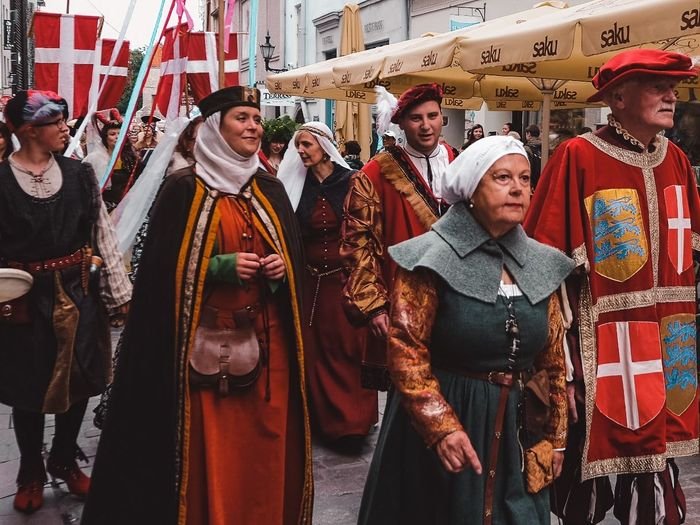
The published programme describes a colourful medieval procession beginning near the Viru Gates and moving towards Town Hall Square, where the celebration continues with an aerial performance.
Other ceremonial elements include the crowning of the finest master craftsmen. This tradition connects the modern festival with the historical importance of skilled artisans and the social prestige of craftsmanship.
Special performances can also include aerial artistry, fire theatre, medieval dances and evening concerts.
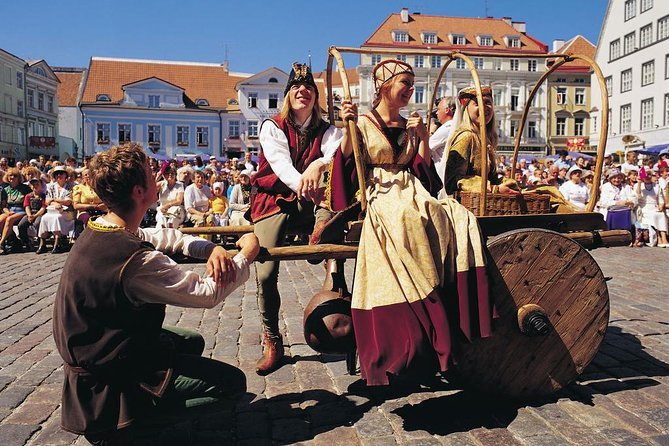
The festival’s atmosphere is deliberately theatrical, with historical clothing, musicians, craftspeople and performers helping transform the Old Town into a temporary medieval-inspired environment.
Festival rules
Visitors should respect the historic character of Tallinn Old Town and follow instructions issued by organisers, museums, venues and local authorities.
Respect the heritage: Historic buildings, monuments, churches and museum objects should not be touched or damaged.
Follow workshop instructions: Some craft activities involve tools, heat, fire or other equipment and require participants to follow the master’s instructions.
Respect performers: Maintain safe distances from performers, especially during combat demonstrations, aerial performances and fire theatre.
Keep routes clear: Narrow Old Town streets can become crowded, particularly around the market and procession.
Check individual venue rules: Museums, churches and ticketed attractions may have their own photography, food, age and entry requirements.
Children’s supervision: Parents and guardians should supervise children during crowded activities and workshops.
How to get there
Tallinn is Estonia’s capital and is well connected by air, ferry, bus and road.
International visitors can arrive through Tallinn Airport, which has connections to several European cities. Tallinn is also connected by ferry with Helsinki and other Baltic Sea destinations.
The Old Town is compact and highly walkable. Once visitors reach the central historic district, many Medieval Days locations can be reached on foot.
Visitors staying outside the Old Town can use Tallinn’s public transport network and walk the final distance to the festival locations.
Public transport & parking
Public transport is generally the most practical option for visitors attending Medieval Days because the event takes place throughout the pedestrian-friendly Old Town.
Visitors can use Tallinn’s buses, trams and other public transport services to reach central areas before walking into the historic district.
Private-car access is less convenient around Town Hall Square and the narrow streets of the Old Town. Visitors driving into Tallinn should consider parking outside the immediate historic centre and continuing on foot or by public transport.
Because festival activities can occupy streets and public spaces, temporary access restrictions or changes may apply during processions and major performances.
Accommodation areas
Staying close to Tallinn Old Town provides the easiest access to the main festival areas.
Old Town: Ideal for visitors who want to walk directly to Town Hall Square, Niguliste Hill, museums and historic venues.
City Centre: Offers a wide selection of hotels and apartments while remaining within walking distance of the Old Town.
Kalamaja: A popular district north-west of the Old Town with a creative atmosphere, restaurants and convenient access to central Tallinn.
Kadriorg: A quieter historic district with parks, museums and good public transport connections.
Rotermann Quarter: A modern area close to the Old Town with restaurants, accommodation and shopping.
For the festival period, visitors should reserve accommodation early because July is a popular travel season in Tallinn.
Food & traditional specialties
Food is an important part of the medieval-market atmosphere, with traders and craftspeople creating a historic fair environment.
The market traditionally features a mixture of handmade goods, food-related products and festival refreshments. The wider Tallinn Old Town also provides many restaurants where visitors can sample Estonian cuisine.
Visitors interested in local food can look for traditional Estonian dishes such as rye bread, smoked fish, dairy products, pastries and hearty meat or vegetable dishes.
The medieval atmosphere also makes the festival an opportunity to experience food and drink associated with historical fairs, although modern food-safety and service standards apply.
The market’s craft focus is particularly strong, with pottery, textiles, woodwork, glasswork, leathercraft and jewellery among the types of goods highlighted by the organisers.
Accessibility
Medieval Days takes place in a historic Old Town with cobbled streets, steps, narrow passages and historic buildings. Accessibility can therefore vary considerably between locations.
Outdoor market areas may be easier to reach than some historic interiors, towers and older buildings.
Visitors with mobility requirements should check the accessibility of individual museums, churches, workshops and tour routes before booking. Some historical experiences involve stairs; for example, the published Ajateater performance “Outlaws and Lovers of the City Wall” includes 125 high stairs.
Visitors should also consider crowd density around Town Hall Square and the main procession route when planning their visit.
Best cultural experiences
For a first visit, the medieval market in Town Hall Square is one of the most comprehensive ways to experience the festival. Visitors can see craftspeople working, browse traditional-style goods, listen to music and watch performances from the central stage.
Medieval market: Explore pottery, textiles, woodwork, leathercraft, jewellery and other handmade products.
Medieval Village: Visit craft demonstrations and interactive activities around Niguliste Hill.
Historical walking tours: Learn about Tallinn’s guilds, churches, fortifications and hidden historical locations.
Craft workshops: Try woodworking, wax carving, leatherworking, ceramics or traditional printing.
Early music: Attend performances by ensembles specialising in medieval and early music.
Warriors’ Hall: Watch historical combat demonstrations and learn about weapons and armour.
Fire theatre: Experience the atmospheric evening performances by Kelfirius.
Medieval dance: Watch Reval Regnum and, where invited, join the dance circle.
Museums: Combine festival activities with Tallinn’s museums and heritage sites for additional historical context.
Previous year’s highlights
Medieval Days has a long history stretching back to the first Medieval Market in 2000. The festival’s official history records its development from a traditional market into a broader celebration of Tallinn’s medieval heritage, crafts, music, drama and public participation.
The 2025 edition was the XXVI Medieval Days and included craftsmen, tournaments, music and workshops. Among the recognised masters were Etno Papuošalai from Lithuania, Sigil Stone Studio and the Tallinn Town Hall Pharmacy.
Earlier editions have featured knight tournaments, archery, medieval villages, children’s knight schools, early music, travelling performers, historical tours and traditional crafts.
The 2023 edition featured a major opening spectacle involving aerial performer Tauri-Viljar Vahesaar and a fire show, while Hungarian ensemble Bordo Sárkány provided a musical highlight.
The historical record also shows that the festival has welcomed performers and craftspeople from Estonia and other European countries, including Latvia, Lithuania, Finland, Hungary and Sweden.
Official tickets
Official programme and ticket information for Medieval Days in Tallinn 2027 should be obtained through the festival’s official website.
Medieval Days official website (https://medievaldays.ee/)
The official programme provides links to entry passes for individual workshops, historical tours, concerts and selected performances. The organisers also publish the latest information about the market, Medieval Village, performers and historical activities.
Visitors should check the official programme before travelling because individual activities can have limited capacity, separate entry arrangements, language restrictions or advance-registration requirements.
The festival is organised by the Estonian Folk Art and Handicraft Union. The organisation’s published contact information identifies its address as Pikk 22, 10133 Tallinn, and provides official contacts for general information, the medieval market, cultural events and the Medieval Village.
Tickets Sell Out
in Minutes
Maps
Contact
Video
FAQ's
What is Medieval Days in Tallinn?
Medieval Days is a major historical and cultural festival in Tallinn Old Town inspired by the city's medieval and Hanseatic heritage. It combines a medieval market, traditional crafts, early music, historical tours, performances, workshops, children's activities and historical demonstrations.
Where does Medieval Days take place?
The festival is spread across Tallinn Old Town, with Town Hall Square serving as the main market and performance centre. Additional activities take place around St Nicholas' Church and Niguliste Hill, as well as museums, historic buildings and surrounding Old Town streets.
Is Medieval Days suitable for families?
Yes, the festival includes family-oriented activities such as craft workshops, medieval games and a children's area in the Medieval Village. The Little Knight School and hands-on creative activities provide children with opportunities to participate in the historical atmosphere rather than simply watch performances.
Can international visitors join the workshops and tours?
Yes, several activities are suitable for international visitors, and the programme includes English-language historical walks and selected English history lessons. Some workshops also state that instruction can be provided in English when required, although visitors should check the language listed for each individual activity.
What are the main things to see at Medieval Days?
The medieval market, Medieval Village, historical walking tours, early music performances, craft demonstrations, medieval dances, historical combat and evening fire performances are among the major experiences. The opening procession and special aerial or fire performances can also provide some of the festival's most distinctive visual moments.