



Birmingham Jazz & Blues Festival 2027 – UK
What to expect in 2027
Birmingham Jazz & Blues Festival 2027 will return to Birmingham, United Kingdom, in summer 2027 for its 43rd edition. The festival is organised by Big Bear Music and has been bringing jazz, blues and related styles to audiences across Birmingham and the wider West Midlands for more than four decades. The official festival website confirms the 2027 return and describes the event as a multi-venue celebration featuring jazz, blues, swing, bebop, big band music and more.
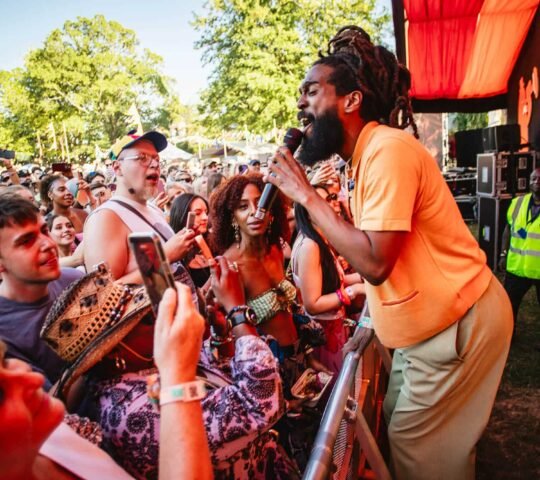
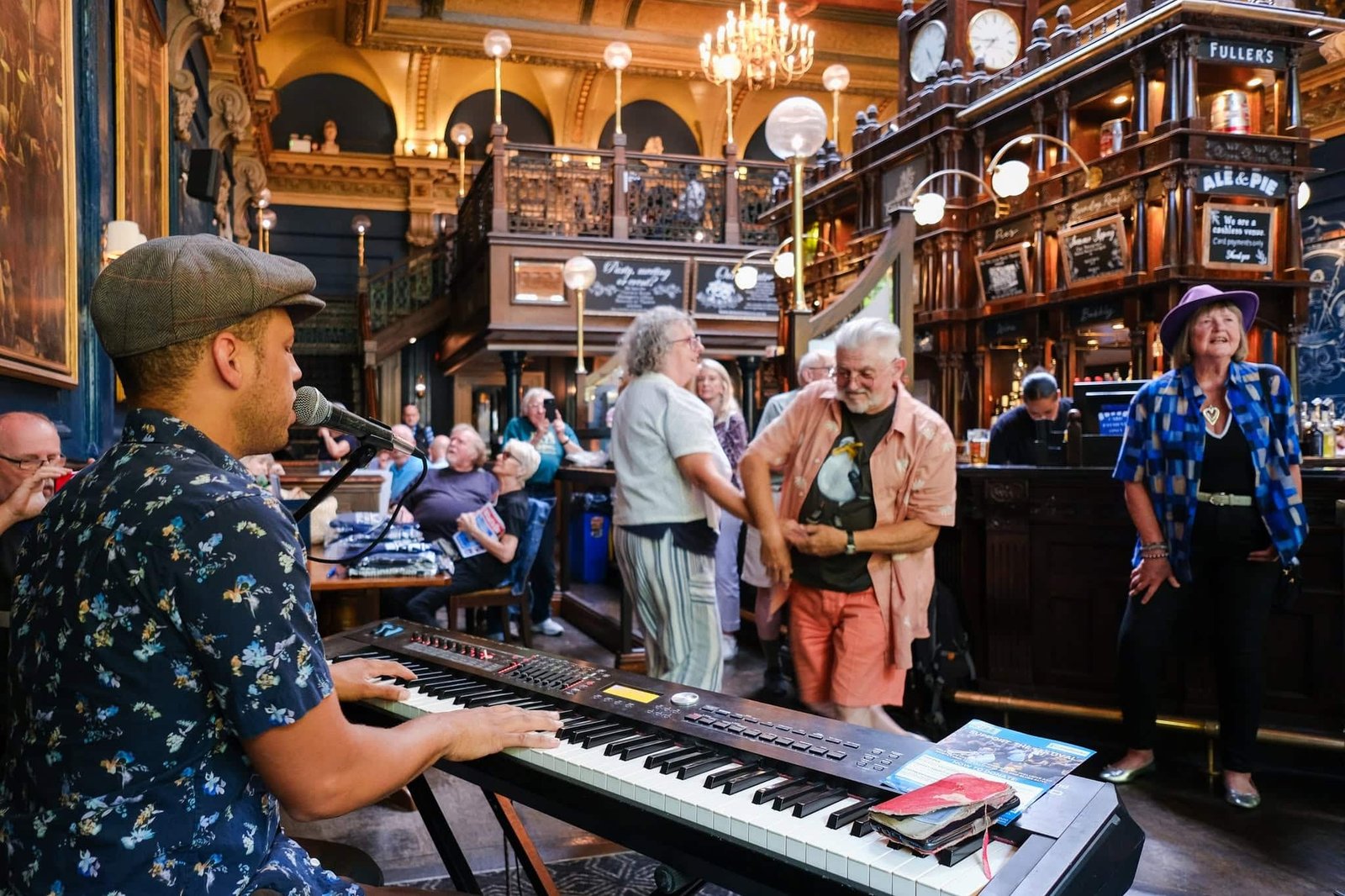
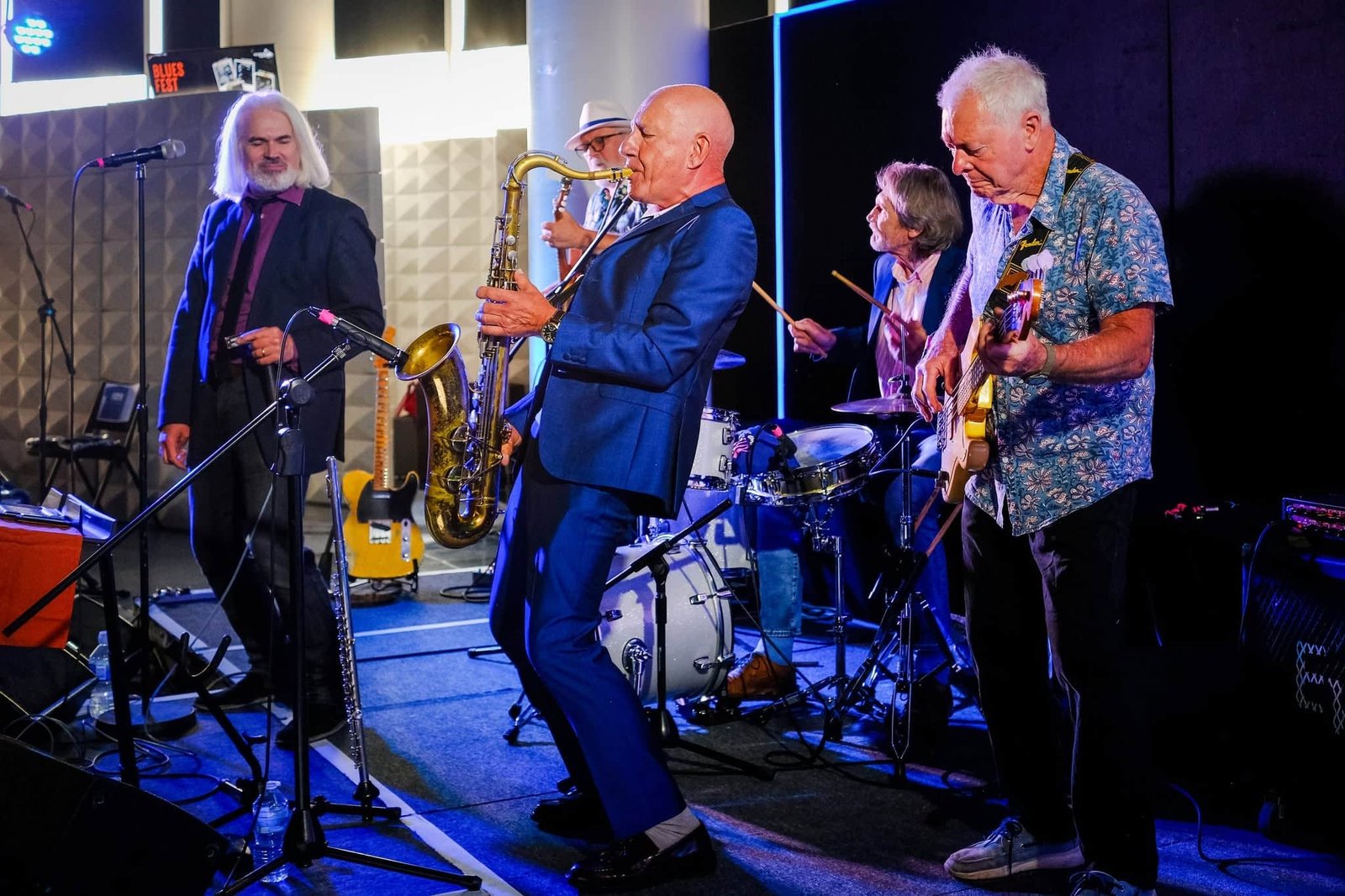
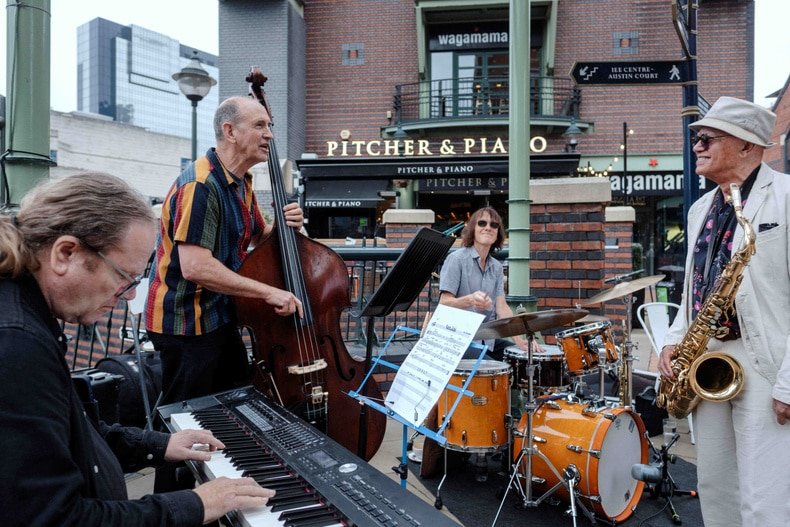
Unlike a conventional festival that operates from one enclosed site, Birmingham Jazz & Blues Festival transforms existing venues and public spaces throughout the region into temporary performance locations. Concerts can take place in music venues, pubs, restaurants, libraries, shopping areas, museums, parks, gardens, churches, community spaces and other locations.
The festival’s accessibility-focused model is particularly important to its identity. The organiser states that the event has presented thousands of performances over its history and that approximately 95% of performances are free admission. In the most recently published figures for 2026, the festival presented 179 performances across 107 venues, attracting more than 64,000 music lovers, with 166 events completely free.
Make Your European Event Trip Easy with Eura Travelo
Traveling to Europe for a festival, concert, sporting event, or business occasion involves more than simply choosing an event. Eura Travelo helps bring your journey together with support for travel planning, accommodation, event arrangements, and local experiences. Save time, reduce the hassle, and enjoy a smoother journey from planning to the event itself.
Visitors in 2027 can therefore expect a programme that combines established jazz and blues musicians with emerging performers, local artists, community ensembles, tribute productions, big bands, swing groups and international musicians.
The festival also extends beyond traditional jazz. Previous programmes have included rhythm and blues, rock and roll, soul, Latin influences, gypsy jazz, New Orleans sounds, Americana, ska, reggae and blues-rock.
The result is a city-wide music experience where visitors can build their own itinerary. Someone interested in classic jazz can choose intimate club performances, while another visitor might spend the day discovering free outdoor concerts, street performances and big-band shows.
Event dates
Birmingham Jazz & Blues Festival 2027 is planned for summer 2027, with the exact festival dates still to be announced.
Festival: Birmingham Jazz & Blues Festival 2027
Year: 2027
Season: Summer 2027
Location: Birmingham and the wider West Midlands, United Kingdom
Edition: 43rd edition
The official website currently confirms that the festival will return in summer 2027 and invites visitors to sign up for updates about the 43rd edition. The 2027 calendar has not yet been published.
The festival traditionally operates over an extended period rather than as a single weekend event. Its previous editions have presented approximately ten days of music across numerous venues, giving visitors considerable flexibility when planning a visit.
Because the 2027 calendar is not yet available, visitors should wait for the official programme before arranging travel around particular performances.
Visiting this event? Don’t miss out on these amazing activities and local experiences while you’re here.
Venue & festival site
Birmingham Jazz & Blues Festival does not have one permanent festival site. Instead, its programme is distributed across Birmingham and surrounding parts of the West Midlands.
This approach is central to the festival’s character. Existing locations are transformed into music venues without the need to construct a large temporary arena. The festival states that many performances take place within a short distance of public transport, helping visitors move between performances without depending entirely on cars.
Recent festival programmes have used venues and spaces including:
- The Brasshouse
- Birmingham Botanical Gardens
- Millennium Point
- Birmingham Museum & Art Gallery
- Birmingham Indoor Market
- Bullring Rag Market
- Hippodrome Square
- Selfridges
- Snobs
- Sarehole Mill
- West Bromwich Library
- Wednesbury Museum and Art Gallery
- Sutton Coldfield venues
- Solihull venues
- Pubs, restaurants and independent music spaces
The 2026 programme alone covered more than 100 venues throughout Birmingham and the wider region.
This means visitors should always check the venue listed for an individual performance before travelling. The location of one concert may be several miles from another event taking place on the same day.
Full lineup
The complete Birmingham Jazz & Blues Festival 2027 lineup has not yet been announced.
The official website currently states that the 2027 artist lineup is still to come and directs visitors to the previous programme for reference. The organiser is also inviting people to subscribe to festival updates so that they can receive information about the new edition.
The 2027 programme is expected to include a mixture of jazz, blues, swing, bebop, big band, rhythm and blues, rock and roll, gypsy jazz, New Orleans music and related styles.
The 2026 artist programme provides an indication of the breadth of performers associated with the festival. It included artists such as Lady Sings The Blues, King Pleasure & The Biscuit Boys, Tipitina, Stacy Mitchhart, The Shufflepack, Andres Roots, Alan Barnes, Hit Parade Heroes, Jump, Jive and Wail, Django Chutney, Hot Club of Halifax and Royal Blues.
Other 2026 performers included Billy Thompson Gypsy Style, Out Of The Blue Big Band, Swing Café, The Sax Pistols, Jukebox Rhythm Orchestra, The Shakedown Brothers, Delta Aces, Jake Leg Jug Band, Sheila Waterfield, Brad Henshaw, Simon Spillett, Al Nicholls and Walter Smitty & The Unviables.
These artists should be regarded as previous-edition performers and not as confirmed bookings for 2027.
Headliners & featured artists
The festival has not yet announced its 2027 headline and featured artist programme.
Rather than relying on a small number of headline acts, Birmingham Jazz & Blues Festival traditionally presents a very broad selection of musicians across the region. This makes the definition of a headline performance different from that of a conventional large outdoor music festival.
Recent programmes have included internationally recognised musicians alongside respected British jazz artists, regional performers, tribute groups and community ensembles.
Among the recent featured artists, Alan Barnes has been one of the notable jazz musicians connected with the festival. The festival describes Barnes as an award-winning saxophonist, clarinettist, arranger and composer who has appeared both with Lady Sings The Blues and with his own quartet.
Stacy Mitchhart has also featured in the programme, bringing a blues, funk and soul sound from his Nashville-based career. Andres Roots has represented an international blues connection, while King Pleasure & The Biscuit Boys have brought jump, jive and swing to the programme.
For 2027, the final featured artists will be confirmed through the official festival announcements.
Stages & performance areas
Because the Birmingham Jazz & Blues Festival operates across more than 100 venues, it does not use a conventional numbered-stage system.
Instead, individual locations function as separate performance areas. This allows the festival to bring live music directly into different communities and everyday public spaces.
City-centre venues: Central Birmingham locations can host concerts in established music venues, shopping areas, restaurants and public spaces.
Outdoor performance areas: Public squares, streets, parks and gardens can become open-air music locations.
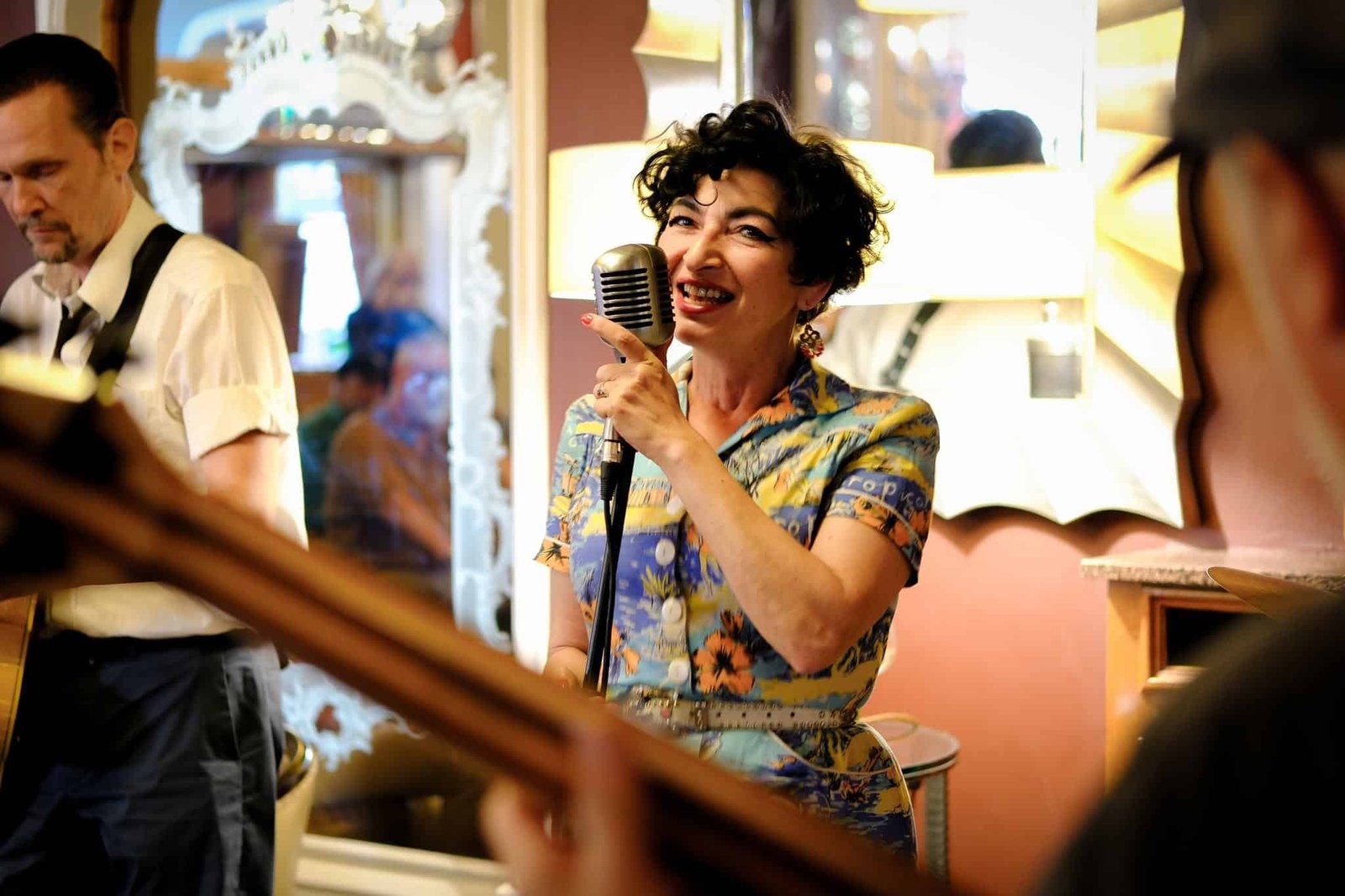
Jazz clubs and music venues: Established venues provide intimate settings for specialist jazz, blues and late-night performances.
Libraries and museums: Cultural institutions have hosted concerts that combine music with the surrounding heritage environment.
Community spaces: The festival also reaches neighbourhoods outside the central city through local venues and community locations.
Regional venues: Recent editions have extended into areas including Sandwell, Solihull, Sutton Coldfield, West Bromwich and Wolverhampton.
The festival’s historical record shows that this distributed model has been part of its identity since its foundation in 1985. More than 6,500 performances have been presented to approximately 2.8 million people over the festival’s history.
Stage-by-stage schedule
The 2027 stage and venue schedule has not yet been released.
When the programme becomes available, visitors will need to organise their itinerary according to individual venues rather than a single festival stage timetable.
Recent programmes illustrate the variety. A typical day can include a morning workshop, lunchtime jazz in a shopping area, afternoon performances in a museum or botanical garden, early-evening concerts in a pub or restaurant and late-night performances in dedicated music venues.
The previous programme included events at locations such as Millennium Point, Birmingham Indoor Market, Selfridges, Wednesbury Museum and Art Gallery, Birmingham Botanical Gardens, Bullring Rag Market, Hippodrome Square, Snobs and The Brasshouse.
This format allows visitors to create different types of festival days.
A jazz enthusiast can build a schedule around saxophone and quartet performances, while a family can select daytime community events and workshops. Blues fans can concentrate on blues-rock and traditional blues performers, while swing enthusiasts can follow big bands and dance-oriented acts.
The official 2027 calendar will provide the definitive venue-by-venue schedule.
Set times
The 2027 set times have not yet been published.
Individual performances will have their own start times because the festival operates across a large number of venues. Recent programmes have included morning workshops, lunchtime concerts, afternoon shows, evening performances and late-night events.
Historical schedules demonstrate how varied the daily timetable can be. A previous programme included a workshop at 10am, lunchtime performances at 11am and noon, afternoon shows from 1pm onwards and evening concerts extending into the night.
Visitors attending several performances should allow sufficient travel time between venues. Even when two locations appear close together, queues, venue entry procedures and Birmingham’s pedestrian and transport conditions can affect the journey.
The final 2027 programme should always be treated as the definitive source for artist times and venue information.
Ticket types
One of the most distinctive features of Birmingham Jazz & Blues Festival is the large number of free performances.
The official festival describes its model as approximately 95% free admission. In the published 2026 figures, 166 of 179 performances were completely free.
Ticketed performances are generally handled on an event-by-event basis rather than through one mandatory festival-wide admission ticket.
Historical prices from previous editions show that some special concerts have used relatively modest admission charges. A previous programme, for example, listed a Botanical Gardens concert at $12.15 for adults, based on a £9 adult ticket converted at an approximate rate of $1.35 to £1. The same event listed children aged 5–16 at approximately $8.10, while children aged four and under were admitted free.
Other ticketed performances have historically used different prices depending on the artist, venue and event.
For 2027, exact ticket prices have not yet been announced, so previous-edition prices should be used only as a reference.
Visitors should check each individual event listing because a ticket for one concert does not automatically provide admission to another ticketed performance elsewhere in the festival.
VIP & premium options
Birmingham Jazz & Blues Festival does not primarily operate around traditional VIP packages.
Its emphasis is on accessibility, community participation and bringing live music into existing venues. The majority of performances are free, while ticketed concerts generally provide access to a specific performance rather than a festival-wide VIP area.
Some individual venues may offer different seating arrangements or hospitality facilities, but these are venue-specific rather than a single festival-wide premium package.
The festival’s approach instead provides visitors with different levels of experience through venue choice. An intimate club performance may provide a close-up setting, while a botanical garden concert or public-square performance can provide a larger outdoor atmosphere.
Visitors interested in premium seating should check the individual venue and event listing when the 2027 programme is published.
Event rules
Birmingham Jazz & Blues Festival uses numerous existing venues, so individual rules can vary depending on the location and performance.
Tickets: Ticketed events require a valid ticket or booking confirmation. Free events may operate on a first-come basis depending on venue capacity.
Venue rules: Visitors must follow the rules of the individual venue, including restrictions on photography, recording, food, drink and late entry where applicable.
Age requirements: Age policies can vary between individual events and venues. Visitors should check the specific listing before attending with children.
Accessibility: Visitors with mobility or other access requirements are encouraged to contact the festival office in advance so that suitable arrangements can be discussed.
Programme changes: Artists, venues and performance arrangements can occasionally change. The organiser’s latest programme information should be checked before travelling.
The festival’s long-standing philosophy is centred on making entertaining music accessible to the public. Its history page states that the event has always combined high-profile performers with emerging local talent and community artists.
How to get there
Birmingham Jazz & Blues Festival is spread across Birmingham and surrounding parts of the West Midlands, so the best route depends on the specific performance being attended.
For visitors arriving from outside Birmingham, Birmingham New Street is the city’s principal central railway station and provides extensive national rail connections.
Other useful railway stations include Birmingham Moor Street and Birmingham Snow Hill, depending on the destination.
Once in the city centre, many festival venues can be reached on foot. Others are connected by local buses, trams or suburban rail services.
The festival’s accessibility and sustainability information states that approximately 92% of performances are within a five-minute walk of a bus, tram or train stop.
Visitors should therefore check the exact venue before travelling rather than entering a single festival destination into a navigation app.
Public transport & parking
Public transport is strongly suited to the Birmingham Jazz & Blues Festival because the event deliberately uses existing venues located close to transport connections.
Birmingham’s tram network, local buses and rail services connect the central city with surrounding areas. The festival has also expanded into locations such as Wolverhampton, which is connected to Birmingham by tram.
The festival’s sustainability information states that 92% of performances are within approximately five minutes of a bus, tram or train stop. This is intended to reduce the need for visitors to travel by car.
Parking is available in Birmingham through public car parks and private parking facilities, although availability varies considerably by venue and event.
Visitors attending several performances should consider parking once in or near the city centre and using public transport or walking for the rest of the day.
For performances outside central Birmingham, such as events in Sutton Coldfield, Solihull, Sandwell or Wolverhampton, visitors should check the individual venue’s parking and public transport information.
Accommodation areas
Birmingham provides a wide range of accommodation suitable for visitors attending the festival over several days.
Birmingham City Centre: The most convenient choice for visitors attending several performances, with easy access to New Street, Moor Street, Snow Hill, shopping areas and many central venues.
Brindleyplace: A useful option for visitors interested in performances and restaurants around the city-centre canal district.
Jewellery Quarter: Well suited to visitors who want independent restaurants, bars and cultural venues while remaining close to central Birmingham.
Digbeth: A lively area with creative spaces and alternative accommodation options, located close to venues around the eastern city centre.
Sutton Coldfield: Useful for visitors whose programme is concentrated in the northern part of Birmingham.
Solihull: An alternative for visitors attending performances in the southern part of the metropolitan area.
The festival has historically used a dedicated festival hotel for visiting musicians. Previous festival information identified Eastside Rooms near Millennium Point as a festival hotel and also as a concert venue.
Food & drink
Because Birmingham Jazz & Blues Festival operates throughout the city, visitors have access to Birmingham’s extensive restaurants, cafés, pubs and food venues rather than relying on a single festival food court.
Some performances themselves take place in restaurants, pubs and bars, creating a combined food, drink and live-music experience.
Recent programmes have included festival performances at locations such as Cote Solihull, King’s Arms Pub & Indian Grill, Snobs, Noel’s Bar & Restaurant and other hospitality venues.
Visitors attending central performances can also find extensive dining options around the city centre, Jewellery Quarter, Brindleyplace and Digbeth.
For longer festival days, planning meals around the timetable can be useful because performances are distributed between different parts of the city.
The festival’s venue-based model also means visitors can choose between a formal concert followed by dinner, a pub performance with drinks, or an outdoor afternoon show followed by a restaurant meal.
Accessibility
Accessibility is a major component of Birmingham Jazz & Blues Festival’s identity.
The official accessibility and sustainability information says that the festival plans further website development in 2027 so visitors with mobility or site-related requirements can obtain necessary information more easily. The organiser also encourages visitors to contact the festival office to discuss adjustments needed for individual gigs.
Because the event uses existing venues rather than a temporary festival arena, accessibility arrangements differ according to the building.
Some performances take place in venues designed for public accessibility, while others may involve older buildings, outdoor spaces or locations with different entrance arrangements.
Visitors requiring assistance should contact the festival before attending and confirm:
- Step-free access
- Accessible entrances
- Accessible toilets
- Seating arrangements
- Companion requirements
- Accessible parking
- Transport access
- Venue-specific restrictions
The festival’s wider social-inclusion programme also takes music into schools, retirement homes and community environments. Its policy of presenting performances without admission charges is described as another part of its approach to making music accessible.
Best days to attend
Because Birmingham Jazz & Blues Festival takes place over an extended summer programme, there is no single day that suits every visitor.
The best time to attend depends on the final 2027 programme and the artists or genres a visitor wants to see.
Opening period: Often useful for visitors who want to experience the beginning of the festival and discover free public performances.
Mid-festival period: Suitable for visitors who want to explore a larger selection of venues and combine concerts with sightseeing around Birmingham.
Closing period: Can be useful for visitors interested in final special events, headline-scale performances, community concerts and late-night shows.
For first-time visitors, spending two or more days in Birmingham can provide a better opportunity to experience the festival’s multi-venue character.
A one-day visit can still work well, particularly if the chosen programme is concentrated around a particular part of the city.
Previous year’s highlights
The 2026 edition demonstrated the scale of the Birmingham Jazz & Blues Festival, with 179 performances across 107 venues and more than 64,000 music lovers attending. Of those performances, 166 were completely free.
The artist programme included a wide range of jazz, blues and roots performers. Lady Sings The Blues presented a tribute to Billie Holiday, while King Pleasure & The Biscuit Boys brought their long-running jump, jive and swing sound to the festival.
Tipitina featured Debbie Jones and New Orleans pianist Justin Randall performing music associated with Dr John, Professor Longhair and Fats Domino. Nashville-based blues guitarist and vocalist Stacy Mitchhart also appeared, while Estonian slide guitarist Andres Roots returned to Birmingham.
Alan Barnes appeared both as part of Lady Sings The Blues and with his own quartet. Other performers included The Shufflepack, Hit Parade Heroes, Django Chutney, Hot Club of Halifax, Royal Blues, Back on the Road, Delta Aces and Jake Leg Jug Band.
The programme also showcased larger ensembles. The Out Of The Blue Big Band, a Birmingham-based 18-piece group, performed a repertoire spanning classic swing and big-band music alongside Latin, blues, pop and rock influences. Jukebox Rhythm Orchestra presented a 13-piece programme covering music from early jazz through later popular styles.
The festival’s reach also extended beyond Birmingham city centre, with performances in Wolverhampton, West Bromwich, Sutton Coldfield, Solihull and other regional locations.
These recent programmes illustrate how the festival combines internationally connected artists, British jazz musicians, regional performers, community ensembles and free public events.
Official tickets
Birmingham Jazz & Blues Festival 2027 ticket information will be released through the official festival website as the programme develops.
The official website currently confirms the summer 2027 return and states that the 43rd edition is coming to Birmingham. It also advises visitors to keep checking for the 2027 calendar and lineup announcements.
Because most festival events are free, visitors do not necessarily need to purchase a general festival ticket. Individual ticketed concerts will have their own booking arrangements.
Previous editions demonstrate that paid admission has generally been used for selected performances while the majority of the programme remains free. For historical reference, one previous Botanical Gardens performance charged approximately $12.15 for adults and $8.10 for children aged 5–16 after converting the published prices into USD.
These are previous-edition reference prices only and are not confirmed 2027 prices.
Visitors should use the official festival calendar once published to check whether a particular performance is free, ticketed, reservation-based or subject to venue capacity.
Official website: Birmingham Jazz & Blues Festival (https://www.birminghamjazzfestival.com/)
Festival enquiries: admin@bigbearmusic.com
Telephone: +44 121 454 702
Tickets Sell Out
in Minutes
Maps
Contact
Video
FAQ's
Is Birmingham Jazz & Blues Festival returning in 2027?
Yes. The official organisers have confirmed that the Birmingham Jazz & Blues Festival will return in summer 2027 for its 43rd edition. The festival is expected to continue its established programme of jazz, blues, swing, bebop, big band and other live music across venues throughout the West Midlands.
Have the Birmingham Jazz & Blues Festival 2027 dates been announced?
The festival has confirmed a summer 2027 return, but the exact dates have not yet been announced. Visitors should wait for the official calendar before booking travel or accommodation based on specific festival days.
Has the 2027 lineup been announced?
No, the full 2027 lineup has not yet been released. The official website currently directs visitors to the previous artist programme while they wait for the new calendar, so previous performers should not be considered confirmed for the 2027 edition.
Is Birmingham Jazz & Blues Festival free to attend?
A large majority of festival performances are free, reflecting the organisers' long-standing aim of keeping live music accessible to the public. However, some individual performances may require tickets or advance booking, so visitors should check the admission information for each event before attending.
Where does Birmingham Jazz & Blues Festival take place?
The festival takes place across Birmingham and the wider West Midlands rather than at one permanent festival site. Performances can be hosted by music venues, pubs, libraries, community spaces, cultural locations and outdoor areas, so visitors should check the individual 2027 programme for the exact location of each performance.