Fêtes de Wallonie 2027 – Cultural & Traditional Festival Belgium
What to expect in 2027
Fêtes de Wallonie 2027 will bring the streets, squares and neighbourhoods of Namur to life with a large-scale celebration of Walloon culture, folklore, music, gastronomy, traditions and community life. The festival is one of the most important popular celebrations in southern Belgium and traditionally transforms the capital of Wallonia into a lively meeting place for residents and visitors.
The festival is not concentrated in one enclosed venue. Instead, events take place across the historic centre and surrounding neighbourhoods, creating a city-wide programme that combines concerts, traditional ceremonies, folklore, food, entertainment, family activities, cultural events and moments of remembrance.
The official organization describes the Fêtes de Wallonie in Namur as a combination of folklore, concerts, conviviality, traditions and remembrance. The celebrations traditionally centre on the third weekend of September and extend into the surrounding days, with activities spread across many neighbourhoods of the city.
Make Your European Event Trip Easy with Eura Travelo
Traveling to Europe for a festival, concert, sporting event, or business occasion involves more than simply choosing an event. Eura Travelo helps bring your journey together with support for travel planning, accommodation, event arrangements, and local experiences. Save time, reduce the hassle, and enjoy a smoother journey from planning to the event itself.
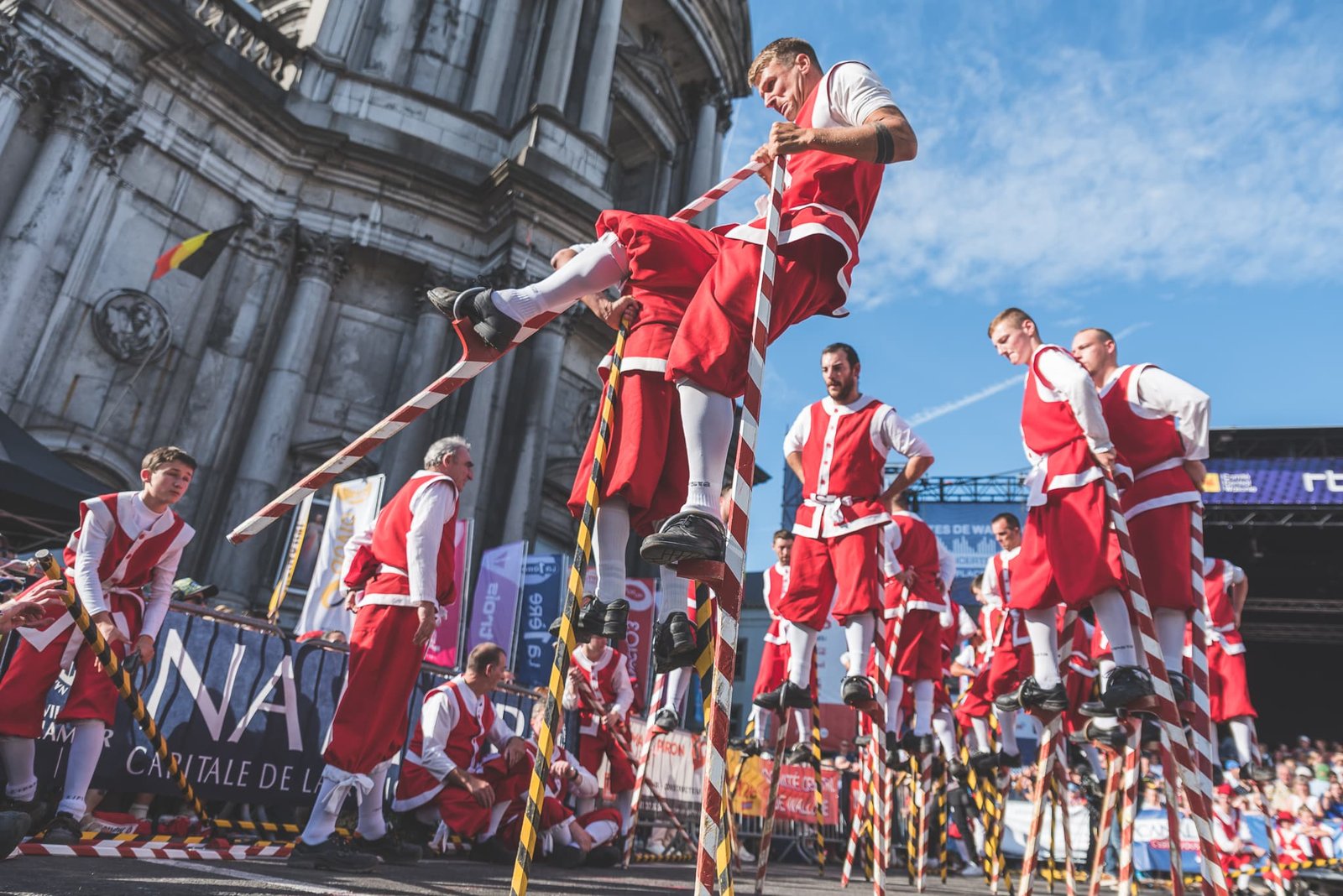
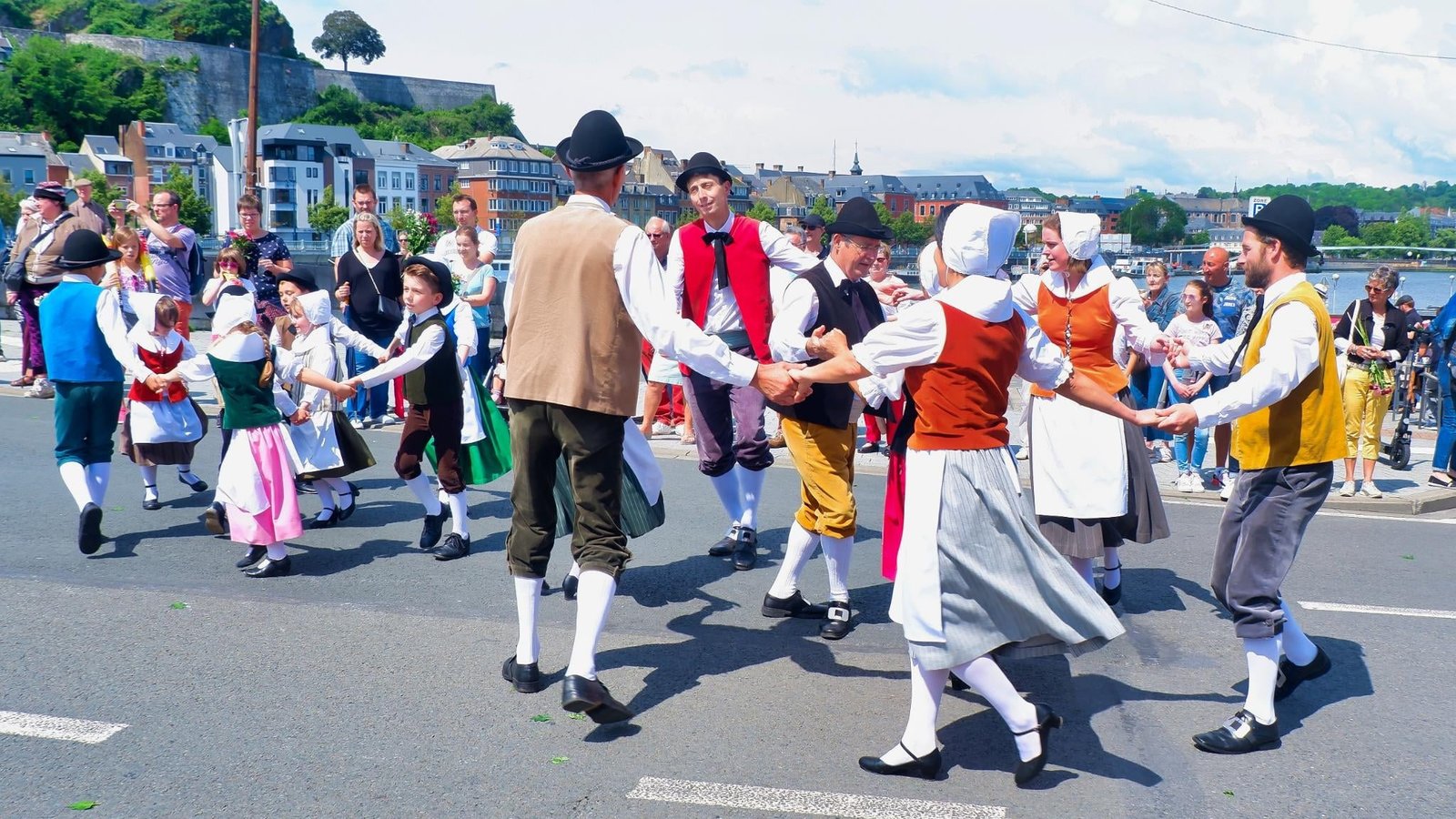
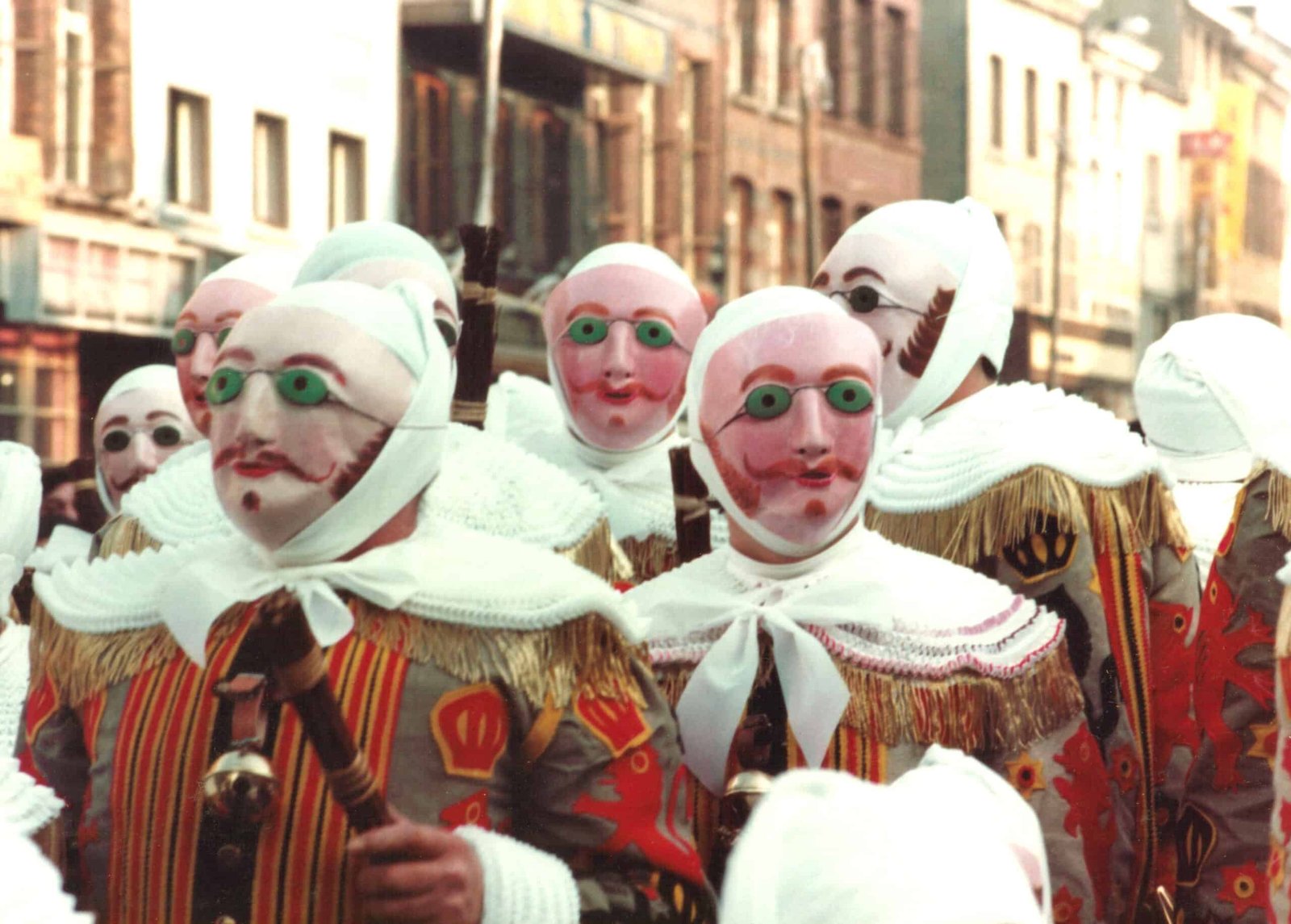
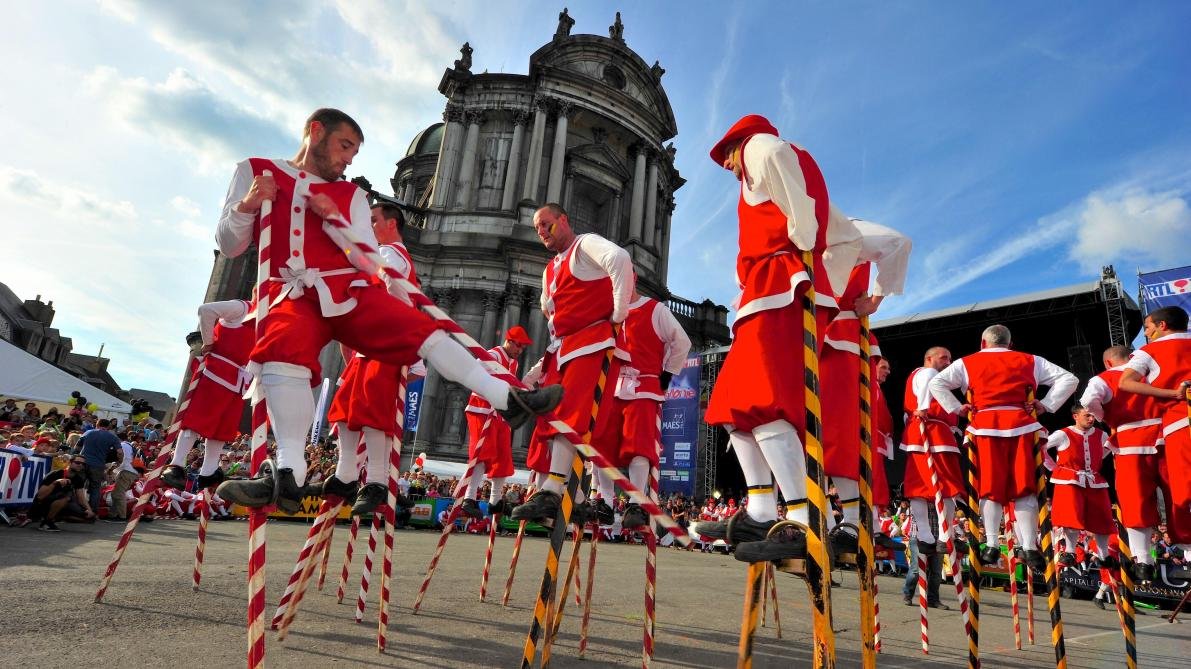
Visitors can expect a particularly strong focus on Walloon identity and Namur’s local traditions. Traditional music, Walloon-language culture, flag ceremonies, historic costumes, folk groups, popular games and regional food all form part of the wider experience.
The event also has a strong social dimension. Streets, squares, cafés, restaurants, cultural institutions and local associations participate in the celebrations, creating an atmosphere that combines official ceremonies with informal neighbourhood festivities.
Event dates
September 2027 (Dates TBD)
The complete 2027 calendar has not yet been published. Fêtes de Wallonie traditionally takes place around the third weekend of September, with additional activities before and after the central celebrations.
The final programme is expected to include concerts, folklore performances, traditional ceremonies, community events, food activities, children’s programming and major public celebrations throughout Namur.
Because the festival is distributed across many venues, visitors should check the official programme once the 2027 schedule is released. The programme system allows visitors to filter events by location, type and accessibility requirements.
Visiting this event? Don’t miss out on these amazing activities and local experiences while you’re here.
Venues & festival locations
Fêtes de Wallonie takes place throughout Namur rather than inside a single festival enclosure. The historic centre is the main focus, but participating neighbourhoods extend the celebrations well beyond the central squares.
Important locations traditionally used by the festival include:
- Place d’Armes: One of the main entertainment and gastronomy areas, with concerts, food, family activities and large public gatherings.
- Place Saint-Aubain: A major traditional and cultural location close to Namur’s cathedral and provincial institutions.
- Place du Marché aux Légumes: Used for traditional ceremonies and Walloon cultural activities.
- Place du Théâtre: A central location for performances and traditional competitions.
- Quartier des Brasseurs: Known for hospitality, restaurants, bars and entertainment.
- Quartier Saint-Loup: A major cultural area associated with traditional and religious activities.
- Quartier de l’Ange: Part of the network of neighbourhood celebrations.
- Quartier de la Piconette and Saint-Loup: Hosts local activities and entertainment.
- Quartier des Ponts Spalaux: One of the neighbourhood areas participating in the wider festivities.
- Quartier des Deux Portes: Another participating area with local celebrations.
- Parc des Arts and Quartier Célestines: Used for cultural and artistic programming.
- Namur historic centre: The streets themselves become part of the festival environment through processions, performances and public activities.
The official programme database lists numerous locations and allows visitors to search events according to venue and activity type.
Full cultural programme
The Fêtes de Wallonie programme combines traditional Walloon culture with contemporary entertainment.
Visitors can expect a mixture of:
- Traditional folklore
- Walloon-language events
- Concerts
- Folk music
- Street entertainment
- Flag ceremonies
- Historical processions
- Traditional games
- Gastronomic events
- Family activities
- Children’s entertainment
- Cultural exhibitions
- Tribute ceremonies
- Religious and memorial events
- Community gatherings
- Dance performances
- Brass and harmony bands
- Local associations
- Restaurant and bar programmes
The official programme is organized into categories including concerts, folklore, animation, tradition, homage, official events, food and information. It also allows visitors to identify activities suitable for children, people with reduced mobility, people with hearing difficulties, all audiences and events requiring reservations.
This broad organization means visitors can create very different experiences depending on their interests. A family can concentrate on children’s activities and traditional games, while culture-focused visitors can explore folklore, ceremonies and Walloon heritage.
Featured traditions & performances
Traditional Walloon culture is at the heart of the festival.
One of the most recognizable traditions is the participation of the Molons, the traditional musical society associated with Namur. Their appearances combine music, uniforms and local heritage and form part of the distinctive cultural identity of the celebrations.
The Walloniades are another major tradition. Created by the Comité Central de Wallonie, these events revive the spirit of traditional popular games through friendly sporting and recreational challenges. Teams compete in a series of activities inspired by older village games and traditional festivities.
Flag-raising ceremonies are also an important feature. Walloon flags are raised in different locations as part of a tradition connected with Walloon identity and public celebration.
Music ranges from traditional folk groups and brass ensembles to contemporary concerts and DJs. This combination helps the festival appeal to both visitors seeking traditional culture and younger audiences looking for live entertainment.
Historical & heritage highlights
The Fêtes de Wallonie have a strong connection with Walloon cultural identity and the history of Namur.
The Comité Central de Wallonie explains that the festival was established with the aim of preserving Walloon culture and encouraging a sense of Walloon identity. The celebrations have therefore developed around both festive and memorial traditions.
The Ceremony of Remembrance is an especially important heritage component. It provides an opportunity to commemorate historical events and people connected with Walloon and Belgian history. The ceremony traditionally involves a procession toward the Namur cemetery at Belgrade, where a formal remembrance takes place.
The festival also preserves Walloon language and cultural traditions. The Walloon Mass at Saint-Loup Church is an established part of the programme and provides a setting where the Walloon language is used in a formal cultural and religious context.
Visitors interested in heritage can therefore experience the festival through music, language, traditional games, ceremonies, food and historical memory rather than through entertainment alone.
Events & activities schedule
The exact 2027 schedule remains to be announced, but the established programme structure gives visitors an idea of what the festival experience will include.
Opening activities: The celebrations traditionally build toward the main festival period through concerts, neighbourhood activities, official ceremonies and cultural programming.
Traditional ceremonies: Flag-raising events, tributes and official gatherings provide a formal dimension to the celebrations.
Folklore programme: Traditional groups, musicians, dancers and cultural associations present Walloon heritage throughout the city.
Walloniades: Teams participate in traditional games and friendly competitions, creating one of the most recognizable community activities of the festival.
Concerts: Live music takes place across multiple squares, neighbourhoods and temporary festival areas.
Family activities: Children’s entertainment, games, creative activities and educational programmes are incorporated into the programme.
Food programme: Restaurants, temporary food areas and local organizations provide opportunities to experience regional cuisine.
Remembrance events: The Ceremony of Remembrance and other commemorative activities connect the festival with Walloon and Namur heritage.
Walloon-language traditions: Events such as the Walloon Mass preserve and promote local language and cultural traditions.
Ticket types & entry options
Fêtes de Wallonie is primarily a public city festival, and many outdoor concerts, folklore performances, ceremonies, street activities and community celebrations can be experienced without a general festival admission ticket.
The official programme identifies individual events that may be marked as paid or require advance reservation. Because the festival consists of hundreds of independently organized activities, admission conditions can differ between venues and events.
Visitors should therefore check the individual listing for any activity they want to attend rather than expecting one ticket to provide access to the entire festival.
Many of the most recognizable public traditions, including street folklore, outdoor entertainment and major community gatherings, are designed to take place in the public spaces of Namur.
Guided tours & cultural experiences
The festival provides an opportunity to explore Namur’s history and Walloon heritage alongside the celebrations.
Visitors can combine festival activities with cultural attractions around the city, including the Citadel of Namur, historic churches, museums and the old town.
The Citadel is particularly valuable for visitors interested in the city’s military and architectural history. Guided experiences can include underground passages, historical interpretation and themed tours, depending on the programme available during the festival period.
Visitors can also experience Walloon culture through traditional music, local language events, folklore performances and neighbourhood activities.
Rather than treating the festival as a single show, travellers can use the programme to build a cultural itinerary around Namur’s historic centre.
Special ceremonies & celebrations
Several ceremonies give Fêtes de Wallonie its distinctive character.
The Ceremony of Remembrance is one of the most significant. It connects the festive programme with historical memory and traditionally involves young people and school groups, reinforcing the idea of passing cultural memory to future generations.
The Walloon flag ceremonies are another important tradition. These events celebrate Walloon identity and take place in Namur and surrounding communities.
The Walloon Mass at Saint-Loup Church is an established cultural and religious event conducted in Walloon and includes remembrance elements.
The official receptions provide opportunities for civic representatives, organizers and visitors to meet during the festival.
Together, these ceremonies demonstrate that Fêtes de Wallonie combines celebration with cultural transmission and remembrance.
Festival rules
Fêtes de Wallonie takes place in public streets and squares, so visitors should follow the instructions of organizers, security personnel, police and venue staff.
Respect public spaces: Keep streets, entrances and pedestrian routes clear wherever possible.
Follow crowd instructions: Large events may require temporary barriers, controlled access or designated spectator areas.
Respect performers: Do not enter performance areas or interfere with processions, musicians or traditional groups.
Watch children: Crowded central streets can become busy during major celebrations, so families should establish meeting points.
Follow individual venue policies: Indoor venues may have their own requirements concerning bags, photography, age restrictions and admission.
Use designated transport routes: Temporary road closures and changes to public transport may occur during the main celebrations.
Respect local residents: The festival takes place throughout a living city, so visitors should be considerate of residents, businesses and local property.
How to get there
Namur is centrally located in Belgium and is well connected to Brussels, Liège, Charleroi and other Belgian cities.
The city is particularly easy to reach by train, making rail travel a practical option for visitors attending the busiest celebrations.
For international visitors, Brussels provides the largest range of air connections, while Brussels South Charleroi Airport can also be considered depending on the travel itinerary.
Once in Namur, many festival locations are within walking distance of one another. The compact historic centre makes it possible to move between squares, restaurants, cultural venues and performance areas without needing a car.
Visitors staying outside the centre can use local buses or park-and-ride facilities before continuing toward the festival area.
Public transport & parking
Public transport is strongly recommended during the busiest parts of Fêtes de Wallonie.
The official transport information has previously used special arrangements to maintain connections while central streets are affected by the festivities. Bus services operate from the Station area, which lies outside the main festival perimeter, while special night services have also been introduced during the busiest evenings.
Park-and-ride facilities can provide a useful alternative for visitors arriving by car. Previous festival transport arrangements have connected parking areas such as Namur Expo and Saint-Nicolas with the central area through shuttle services.
Because road closures and parking restrictions can change each year, visitors should check the official transport information before travelling.
Accommodation areas
Staying in central Namur is the most convenient option for visitors who want to experience the festival on foot.
Namur historic centre: Provides the closest access to the main squares, restaurants, bars, cultural venues and festival activities.
Around Namur railway station: Convenient for visitors arriving by train and useful for reaching the city centre on foot.
Jambes: Located across the Meuse, Jambes offers accommodation and easy access to central Namur.
Citadel area: Suitable for visitors interested in combining the festival with Namur’s historic attractions.
Outer Namur: A practical option for visitors arriving by car who prefer quieter accommodation outside the busiest festival zone.
Accommodation demand can increase considerably during the main festival period, so visitors should arrange their stay early.
Food & traditional specialties
Food is an important part of the Fêtes de Wallonie experience, with restaurants, bars, temporary food areas and neighbourhood organizations contributing to the atmosphere.
The official programme includes a dedicated food category, demonstrating how gastronomy is incorporated into the wider celebrations.
Visitors can look for Belgian and Walloon specialties such as:
- Namur-style local dishes
- Belgian fries
- Walloon cheeses
- Charcuterie
- Local breads
- Tart-style regional desserts
- Belgian waffles
- Chocolate
- Local beers
- Regional spirits
- Seasonal dishes
- Traditional snacks
Nameur li glote is one of the established festival food areas and provides a place where visitors can combine dining with the festive atmosphere.
Neighbourhood cafés and restaurants are also important because many local districts create their own programmes alongside the central celebrations.
Accessibility
Fêtes de Wallonie includes accessibility information within its official programme. Visitors can filter activities according to accessibility categories, including people with reduced mobility, people with hearing difficulties, children and all audiences.
The organizers and city have previously provided accessible activities and facilities during the festival. Accessible entrances, adapted sanitary facilities and designated arrangements have been available at selected festival locations.
Because accessibility differs between outdoor streets, temporary structures and individual venues, visitors with specific requirements should check the accessibility information attached to each event.
Large crowds can also make central streets more difficult to navigate. Arriving earlier and selecting a suitable viewing location can make the experience more comfortable.
Best cultural experiences
Walloniades: Experience traditional games and friendly competitions inspired by older village celebrations.
Walloon Mass: Attend a distinctive Walloon-language cultural and religious tradition at Saint-Loup Church.
Ceremony of Remembrance: Discover the memorial dimension of the festival and its connection with Walloon history.
Flag-raising ceremonies: Experience one of the most visible expressions of Walloon cultural identity.
Folklore performances: Watch traditional musicians, dancers, associations and local groups performing throughout the city.
Molons performances: Experience Namur’s distinctive musical folklore and one of the city’s best-known traditional groups.
Nameur li glote: Combine local gastronomy with the festival atmosphere.
Neighbourhood celebrations: Explore individual quarters to see how local communities interpret the festival.
Citadel visit: Combine the festival with Namur’s historic fortress and panoramic views over the city and Meuse valley.
Previous year’s highlights
The previous edition continued the festival’s established combination of folklore, music, gastronomy, traditions and remembrance. The official programme included events across numerous neighbourhoods and venues, ranging from concerts and folklore to food, ceremonies and community entertainment.
The Walloniades remained one of the key traditional activities. Teams took part in friendly challenges inspired by traditional games, creating an intergenerational celebration in the historic centre.
The children’s programme also demonstrated the festival’s emphasis on cultural transmission. School groups participated in educational and recreational activities, including traditional games, quizzes and group performances.
The Ceremony of Remembrance continued to connect the celebrations with historical memory. Children and young people participated alongside the wider community, emphasizing the role of the festival in passing local history to future generations.
The festival’s programme also included Walloon-language traditions, including the long-established Walloon Mass at Saint-Loup Church.
The wide distribution of activities across Namur remained one of the event’s defining features. Instead of concentrating visitors at one festival ground, the celebrations activated squares, neighbourhoods, restaurants, churches, cultural institutions and public streets throughout the city.
Official tickets
Fêtes de Wallonie does not operate primarily as a single ticketed festival. Many of its public concerts, folklore performances, ceremonies, street events and community activities are accessible without general admission.
Some individual activities may be paid or require advance reservation. The official programme identifies these requirements for individual events and allows visitors to filter the programme according to admission conditions.
The 2027 ticket information should therefore be checked event by event once the official programme is published.
For official programme updates, venue information, transport details and event announcements, use the official Fêtes de Wallonie website (https://www.fetesdewallonie.be/).
Official contact information:
Phone: +32 (0) 81 222 999
Email: ccw@fetesdewallonie.be
Tickets Sell Out
in Minutes
Maps
Contact
Video
FAQ's
What is Fêtes de Wallonie?
Fêtes de Wallonie is a major cultural celebration in Namur dedicated to Walloon folklore, music, traditions, gastronomy and community life. It combines festive entertainment with ceremonies, historical remembrance and activities that promote Walloon cultural heritage.
Where does Fêtes de Wallonie take place?
The festival takes place throughout Namur, especially in the historic centre and surrounding neighbourhoods. Important locations include Place d'Armes, Place Saint-Aubain, Saint-Loup, the Quartier des Brasseurs and numerous other public squares and cultural venues.
What are the main traditions at Fêtes de Wallonie?
Major traditions include the Walloniades, Walloon flag ceremonies, folklore performances, the Walloon-language Mass, remembrance ceremonies and appearances by traditional groups such as the Molons. Concerts, food events and neighbourhood celebrations complement these heritage activities.
Is Fêtes de Wallonie suitable for families?
Yes. The programme traditionally includes children's entertainment, family activities, traditional games, educational events and dedicated programming for younger visitors. Accessibility information in the official programme also helps families identify activities suitable for different needs.
Can visitors attend Fêtes de Wallonie without buying a general festival ticket?
Many public activities can be enjoyed without general admission because the festival takes place across public streets and squares. However, individual concerts, performances, special activities or reserved events may have separate admission requirements, so visitors should check the official programme for each event.