
Fiestas de Gràcia 2027 – Barcelona, Spain
Overview
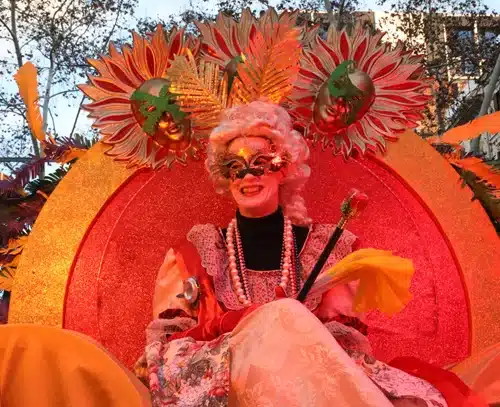
Fiestas de Gràcia, officially known as Festa Major de Gràcia, is one of Barcelona’s most distinctive neighborhood festivals. It takes place in the Vila de Gràcia district, where residents spend months designing and building elaborate decorations for streets and squares before transforming them into themed outdoor spaces during the celebration. The festival combines Catalan popular culture, music, traditional performances, community gatherings, food, family activities and evening entertainment.
The 2027 Festa Major de Gràcia is scheduled for 15–21 August 2027. The celebration traditionally fills Gràcia with decorated streets and squares and a large programme of free activities. The official festival organisation describes the event as having around 900 activities across its programme, including parades, fire runs, concerts, exhibitions, guided visits, community meals and activities for different age groups.
Cultural Significance & Origins
The festival has documented roots going back to 1817, when celebrations around the Feast of the Assumption on 15 August were recorded in the Diario de Barcelona. Over the following decades, what began as a religious and community celebration developed into a much larger summer festival involving streets, associations, dances and neighborhood gatherings.
Make Your European Event Trip Easy with Eura Travelo
Traveling to Europe for a festival, concert, sporting event, or business occasion involves more than simply choosing an event. Eura Travelo helps bring your journey together with support for travel planning, accommodation, event arrangements, and local experiences. Save time, reduce the hassle, and enjoy a smoother journey from planning to the event itself.
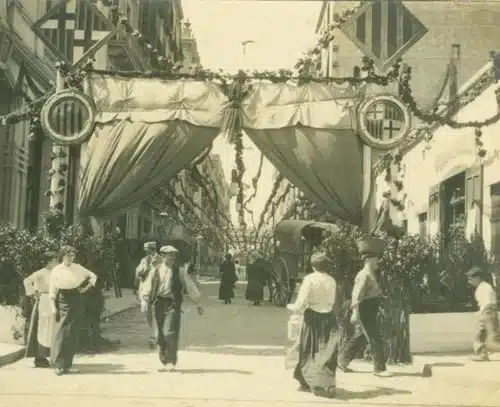
Street decoration gradually became one of its defining traditions. Residents originally used branches, greenery and other materials to decorate public spaces, creating shade and ornamentation for celebrations and processions. Today, the tradition has evolved into highly creative installations produced by neighborhood committees over many months.
Traditions, Rituals & Customs
The guarnits, or decorated streets and squares, are the visual heart of the festival. Neighborhood committees work throughout the year on concepts, models and construction before installing the finished decorations shortly before the festival opens. During the festival, these spaces become gathering points for concerts, meals, children’s activities, storytelling, theatre and other events.
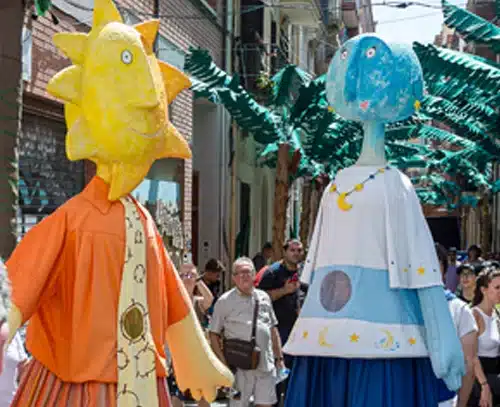
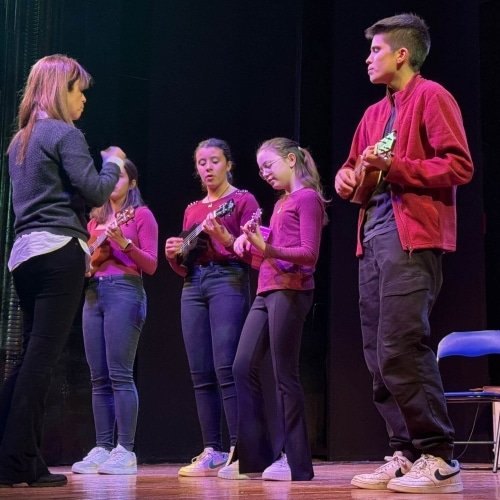
Traditional culture is also strongly represented. The programme normally includes gegants and gegantons, grallers, fire groups, castellers, processions and other forms of Catalan festive culture. The festival’s rituals include the Passada and Pregó, the Festa Major procession, the Sant Roc offering and various performances by local cultural groups.
What to Expect at the Festival
Visitors can expect Gràcia to feel very different from an ordinary week in Barcelona. Streets that are normally residential become themed public spaces, while individual committees organise their own activities underneath the decorations.
The atmosphere changes throughout the day. Mornings can be quieter and better suited to exploring the decorated streets, while afternoons bring cultural performances and family activities. As evening arrives, concerts, social gatherings and other events create a livelier atmosphere across the neighborhood.
Many activities are free, making it possible to experience the festival without purchasing a festival-wide admission ticket. The main challenge for visitors is usually navigating crowded streets and deciding which decorated areas and activities to visit.
Date & Schedule
Fiestas de Gràcia 2027 is scheduled for Sunday, 15 August through Saturday, 21 August 2027. The dates follow the festival’s established annual pattern around 15 August, the Feast of the Assumption.
Some traditional activities begin around the opening of the festival, while preparations and presentation events take place before 15 August. The official ritual includes the Pregó on 14 August, followed by the opening of the decorated streets overnight before the first full festival day.
Visiting this event? Don’t miss out on these amazing activities and local experiences while you’re here.
Main Events & Programme
The first major day is 15 August, when Gràcia officially enters its main celebration. Traditional morning activities include the Matinades de Gralles i Foc, followed by the Festa Major religious service and cultural activities in Plaça de la Vila. The afternoon traditionally features the Festa Major parade, with local cultural groups moving along Gran de Gràcia towards Plaça de la Vila.
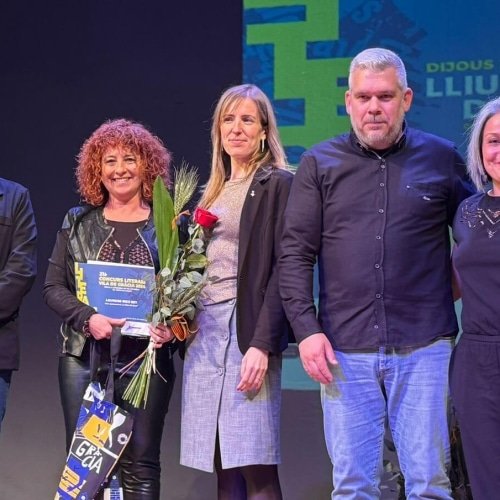
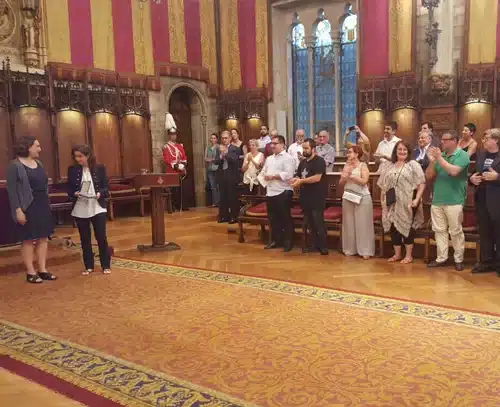
16 August is Sant Roc, another important date in the festival calendar. A procession traditionally leaves Plaça de la Vila for the Sant Roc chapel, where cultural groups perform and the Castellers de la Vila de Gràcia participate in the offering. The day also includes the presentation of prizes for decorated streets and other categories.
Casteller performances are another major part of the programme. The Festa Major normally includes a major Casteller day in Plaça de la Vila, with invited groups joining the local Castellers de la Vila de Gràcia. Other activities can include exhibitions, competitions, workshops, cinema, children’s entertainment, community meals and live music.
The final day traditionally includes the Gimcana de la Festa Major, a free team-based activity for children, teenagers and young people, followed later by the farewell procession known as Toca Dormir. The final night also features the Correfoc, when fire-running groups move through streets and squares before concluding in Plaça de la Vila.
Traditional Dress, Arts & Street Decorations
The decorated streets are the festival’s most recognizable artistic feature. Each participating street or square develops a theme and constructs an environment that can transform buildings, façades, entrances and overhead spaces into elaborate installations.
The work is largely community-driven. Residents collaborate throughout the year on ideas, prototypes, models and construction, making the decorations as much a social project as an artistic competition. Some installations are playful and colorful, while others use historical, environmental, literary or imaginative themes.
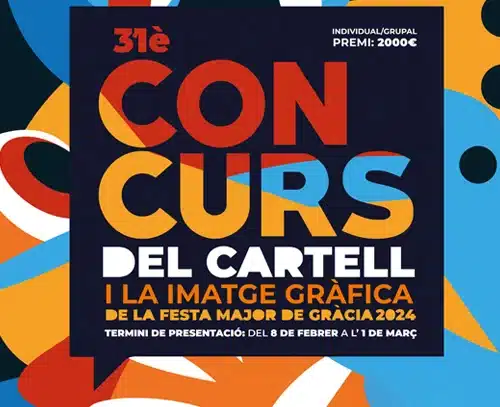
There are also competitions for decorated balconies, entrances and businesses. The foundation explains that this competition was introduced in 1998 to revive an older tradition in which residents decorated not only streets but also balconies and entrances.
Location & Festival Areas
The festival takes place throughout Vila de Gràcia, rather than inside one enclosed venue. Important gathering points traditionally include Plaça de la Vila de Gràcia, where several central ceremonies and cultural performances take place, as well as Plaça del Sol, Plaça de la Virreina, Plaça Joanic and numerous decorated streets.
Some of the best-known decorated streets can change from year to year, so visitors should use the official annual programme rather than relying entirely on older lists. The attraction is partly in discovering how different streets interpret their individual themes.
Gràcia is also a useful base for exploring other parts of Barcelona. Park Güell is nearby, although it is a separate attraction and normally requires its own access arrangements.
Getting to the Festival
The Gràcia district is well connected to the rest of Barcelona by public transport. Depending on the exact destination, visitors can use the Metro, buses or walk from nearby central districts.
During the festival, some streets become pedestrian-focused or have temporary restrictions because of crowds and activities. Walking is often the easiest way to move between decorated streets once you are inside the main festival area, but visitors should allow extra time because popular areas can become very crowded.
Barcelona can be reached through Barcelona–El Prat Airport, with onward connections into the city by public transport, taxi and other transfer services. For the festival itself, public transport is generally more practical than driving directly into Gràcia.
Where to Stay Nearby
Staying in Gràcia gives visitors the advantage of being close to the decorated streets and evening programme. Hotels, apartments and smaller accommodation options can be found around Vila de Gràcia, while neighborhoods such as Eixample also provide convenient access.
Accommodation can become more competitive during August, particularly close to the festival dates. Staying slightly outside the immediate festival core can provide more choice while still allowing easy access by Metro or on foot.
Visitors who prefer a quieter stay may also consider areas outside Gràcia and travel into the festival during the day. This can be particularly useful for families or travelers who want to combine the festival with wider sightseeing in Barcelona.
What Visitors Can Participate In
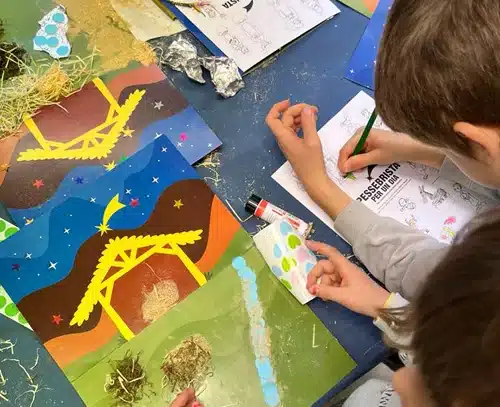
Fiestas de Gràcia is not simply an event to watch. Many of its activities are designed around participation, including community meals, children’s games, workshops, cultural demonstrations, competitions and neighborhood activities.
The festival also includes the Gimcana, which allows children, teenagers and young people to participate in themed challenges across decorated streets. Cultural groups provide another opportunity to experience Catalan traditions through music, dancing, giant figures, fire performances and casteller displays.
Visitors should remember that the festival takes place in a residential neighborhood. Respecting residents, keeping access routes clear and following instructions from organisers and local authorities are important parts of enjoying the celebration responsibly.
Local Food & Restaurants
Gràcia has a strong restaurant and café scene, ranging from traditional Catalan cooking to international cuisine. Around Plaça del Sol, Plaça de la Virreina and the surrounding streets, visitors can find tapas bars, casual restaurants, bakeries and cafés.
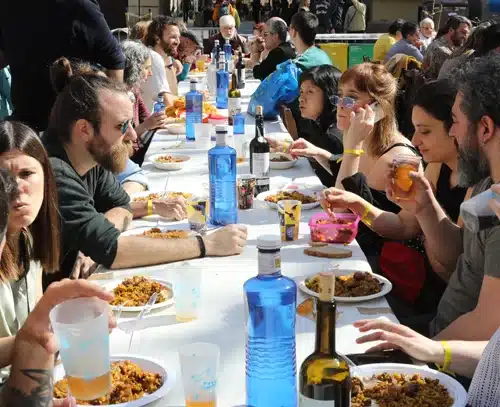
During the festival, some food and drink activity moves into the decorated streets and community spaces. This gives visitors a chance to experience the neighborhood through local celebrations rather than relying only on conventional restaurants.
Because individual festival streets can have their own food and drink arrangements, availability and opening times vary. Checking the current programme and restaurant opening information is advisable during the busiest days.
Ticket Information & Access
There is no general festival admission ticket for Fiestas de Gràcia. The official festival programme consists largely of free public activities, and the festival organisation describes its programme as including around 900 free activities.
Some individual activities may have their own registration, capacity limits or access arrangements, particularly guided visits and specially organised activities. Visitors should therefore distinguish between free entry to the overall neighborhood festival and any specific activity that requires advance registration.
The decorated streets themselves are public spaces, but access can become restricted temporarily when crowds are particularly large or when an event is taking place.
Official Event Information
The official festival organisation is the Fundació Festa Major de Gràcia, which coordinates the central elements of the celebration alongside neighborhood commissions and cultural groups. The foundation’s programme and festival information are the best sources for the final 2027 schedule, participating streets and access details.
Official Festa Major de Gràcia website: https://festamajordegracia.cat/
The current official information confirms the annual 15–21 August festival period, while the detailed programme for 2027 should be consulted closer to the event.
Tickets Sell Out
in Minutes
Maps
Contact
Video
FAQ's
What is Fiestas de Gràcia famous for?
The festival is best known for its elaborately decorated streets and squares, known as guarnits. Neighborhood residents and committees spend months designing and building these installations, which then become the setting for concerts, cultural performances, community meals and other activities during the festival.
What are the main things to see during the festival?
The decorated streets are the main attraction, but visitors can also see Catalan cultural performances, giant figures, casteller displays, parades, concerts and the final Correfoc. Plaça de la Vila is particularly important for central ceremonies and cultural activities.
Can children attend Fiestas de Gràcia?
Yes. The festival includes activities for children and families, including games, storytelling, workshops and the Gimcana.
What is the Correfoc at Fiestas de Gràcia?
The Correfoc is a traditional Catalan fire-running event held on the final night of the festival. Fire groups move through streets and squares accompanied by fireworks and other pyrotechnic elements, eventually gathering in Plaça de la Vila for the concluding performances.
How long has Fiestas de Gràcia been celebrated?
The first documented August celebration dates to 1817, giving the festival more than two centuries of documented history. It developed from celebrations associated with the Assumption into the large neighborhood festival known today.