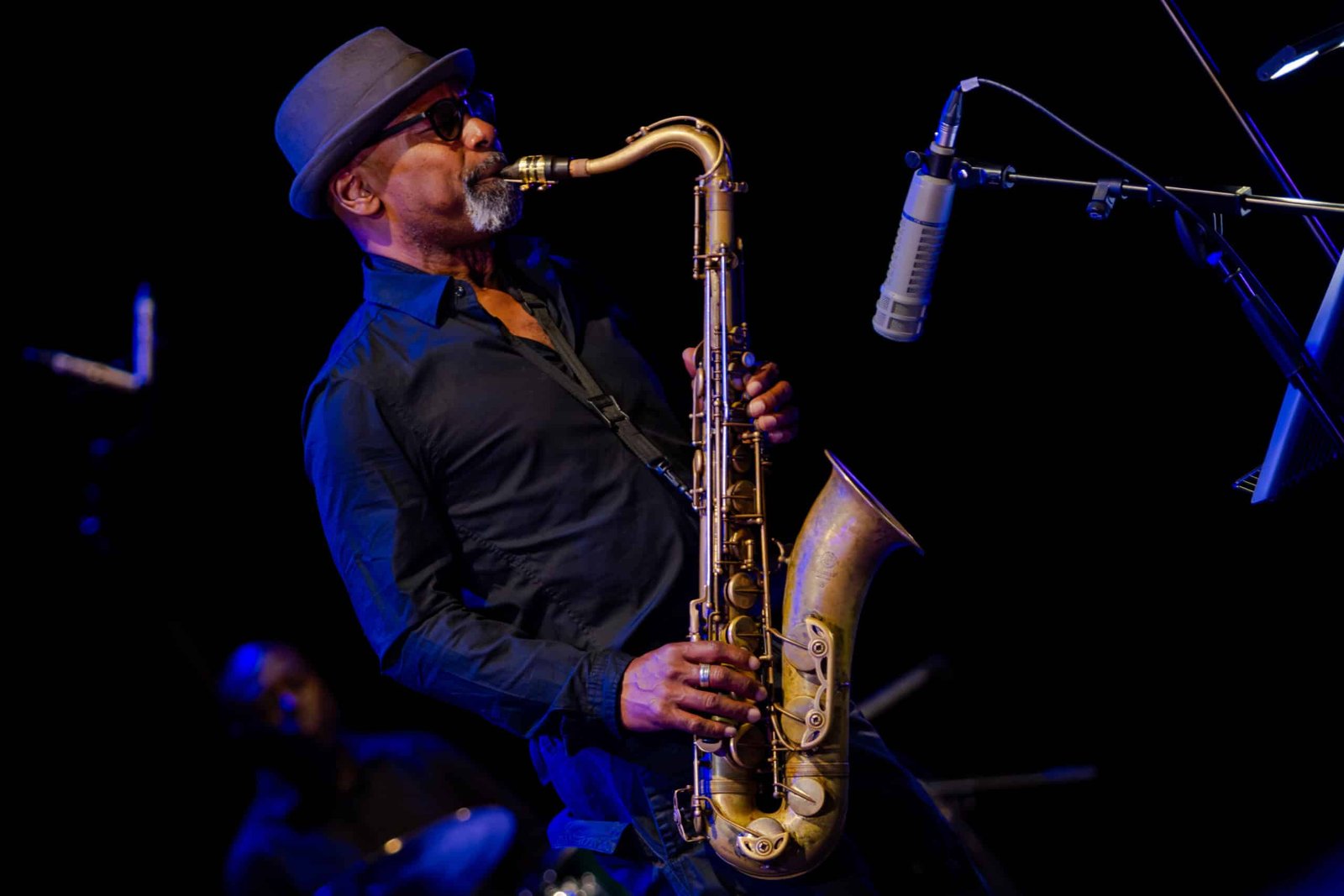
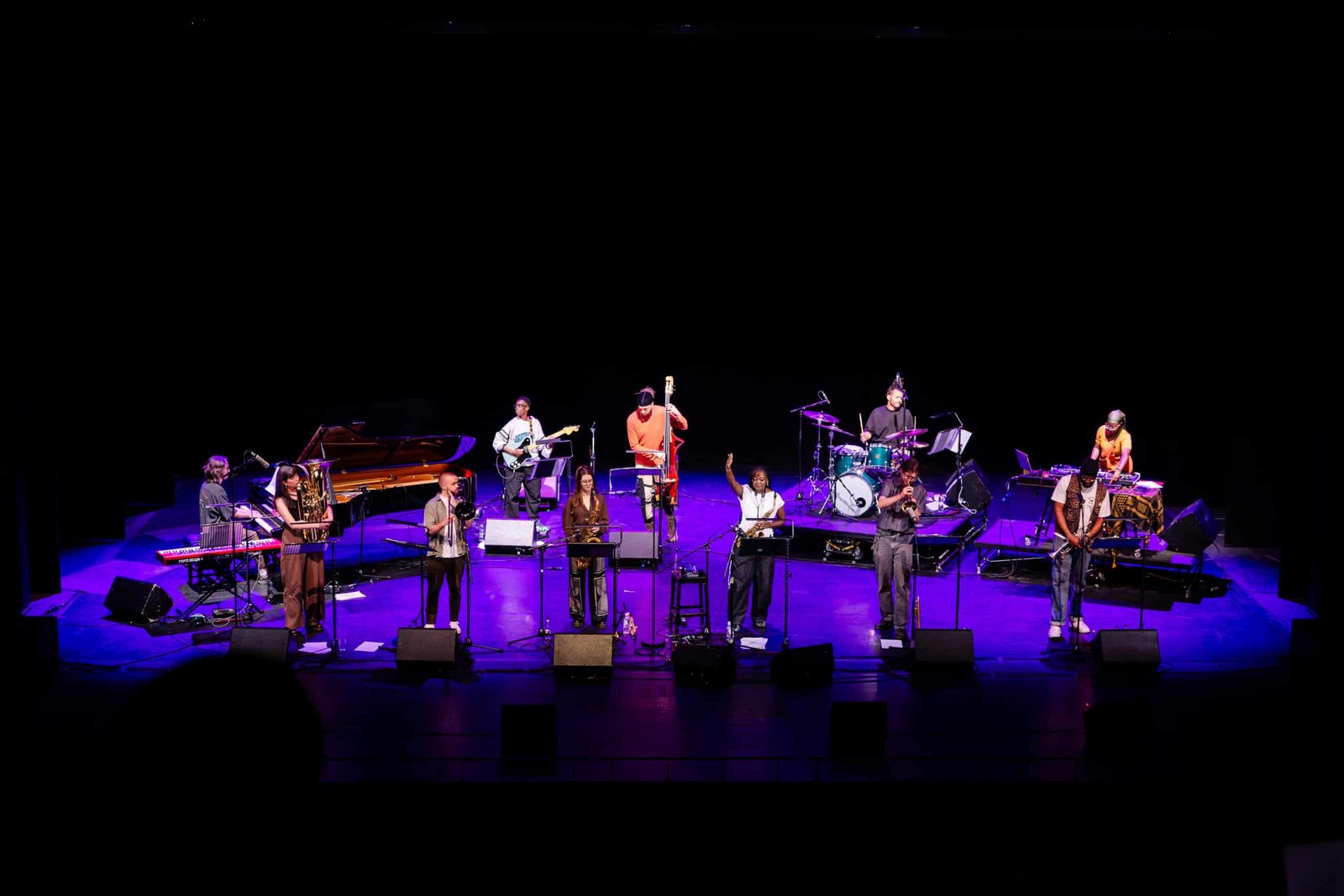
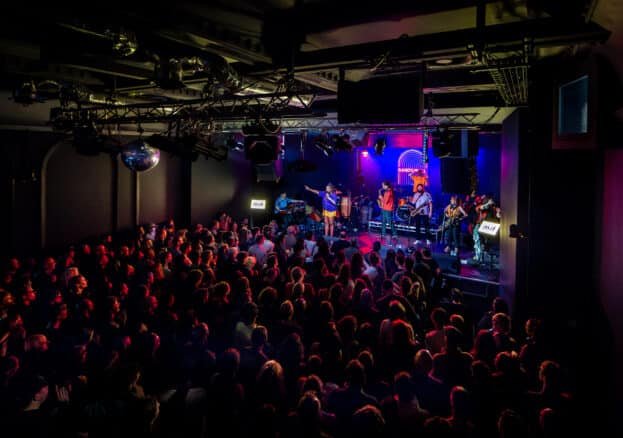
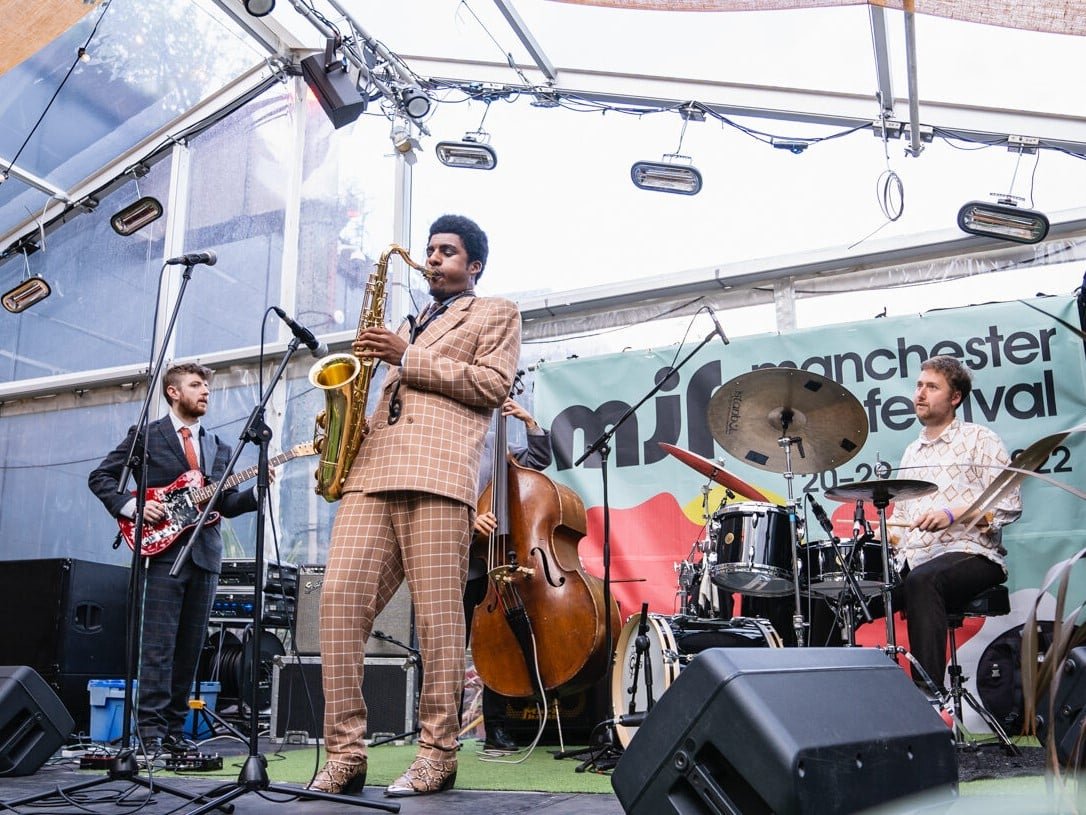
Manchester Jazz Festival (MJF) 2027 – UK
What to expect in 2027
Manchester Jazz Festival 2027 returns to Manchester for a ten-day celebration of contemporary jazz, genre-fusing music, emerging artists, established performers, original commissions and live events across venues throughout the city. The official festival website has confirmed the 2027 edition for 21–30 May 2027.
Manchester Jazz Festival, commonly known as mjf, has been running since 1996 and has developed into one of Manchester’s longest-running music festivals. Rather than taking place at one large outdoor festival site, mjf spreads its programme across concert halls, jazz clubs, cultural venues, churches, creative spaces, outdoor stages and other partner locations around Manchester. The festival says its annual programme features hundreds of musicians across more than 60 free and ticketed events.
The 2027 edition is expected to continue the festival’s focus on contemporary and genre-fusing jazz. Previous programmes have incorporated electronic music, folk, soul, hip-hop, spoken word, experimental music, improvisation, classical influences and international sounds alongside more traditional jazz.
Make Your European Event Trip Easy with Eura Travelo
Traveling to Europe for a festival, concert, sporting event, or business occasion involves more than simply choosing an event. Eura Travelo helps bring your journey together with support for travel planning, accommodation, event arrangements, and local experiences. Save time, reduce the hassle, and enjoy a smoother journey from planning to the event itself.
A major part of the festival experience is discovering artists in intimate venues rather than simply attending large headline concerts. Some performances are ticketed while a significant part of the programme is free to access. The festival’s 2026 sponsorship information stated that at least around one-third of events were free to access, while its wider programme also included commissions, artist development projects and community activity.
For 2027, visitors can expect a combination of established international names, leading UK musicians, artists from the North of England, emerging performers and new work created specifically for or presented through the festival.
Event dates
Manchester Jazz Festival 2027 is scheduled to take place from 21–30 May 2027 in Manchester, United Kingdom. The official festival homepage currently promotes these dates as the confirmed 2027 festival period.
Festival: Manchester Jazz Festival 2027
Dates: 21–30 May 2027
Location: Manchester, England, United Kingdom
Festival format: Multi-venue city festival
The ten-day format allows the programme to move between different parts of Manchester and gives visitors opportunities to attend several performances on different days.
The exact 2027 daily programme, performance times and ticketed events are expected to be released progressively. The festival has historically announced its full programme closer to the event, with individual concerts carrying their own venue, admission and start-time information.
Visiting this event? Don’t miss out on these amazing activities and local experiences while you’re here.
Venue & festival site
Manchester Jazz Festival does not use a single festival site. Instead, the event takes over a network of established Manchester cultural and music venues.
This city-wide format is one of the defining characteristics of the festival. Visitors can attend a daytime performance in a cultural venue, move into the Northern Quarter for an evening jazz-club performance, and then finish the night with a late show at another partner venue.
Recent partner venues have included:
- Band on the Wall
- Aviva Studios
- Matt & Phreds
- First Street
- The Stoller Hall
- Forsyth Music Shop
- Low Four Studio
- The Carlton Club
- George Street Chapel
- Royal Northern College of Music venues
- Other temporary and partner performance spaces
The festival’s partner-venue page describes these locations as important parts of Manchester’s artist-led music and jazz community.
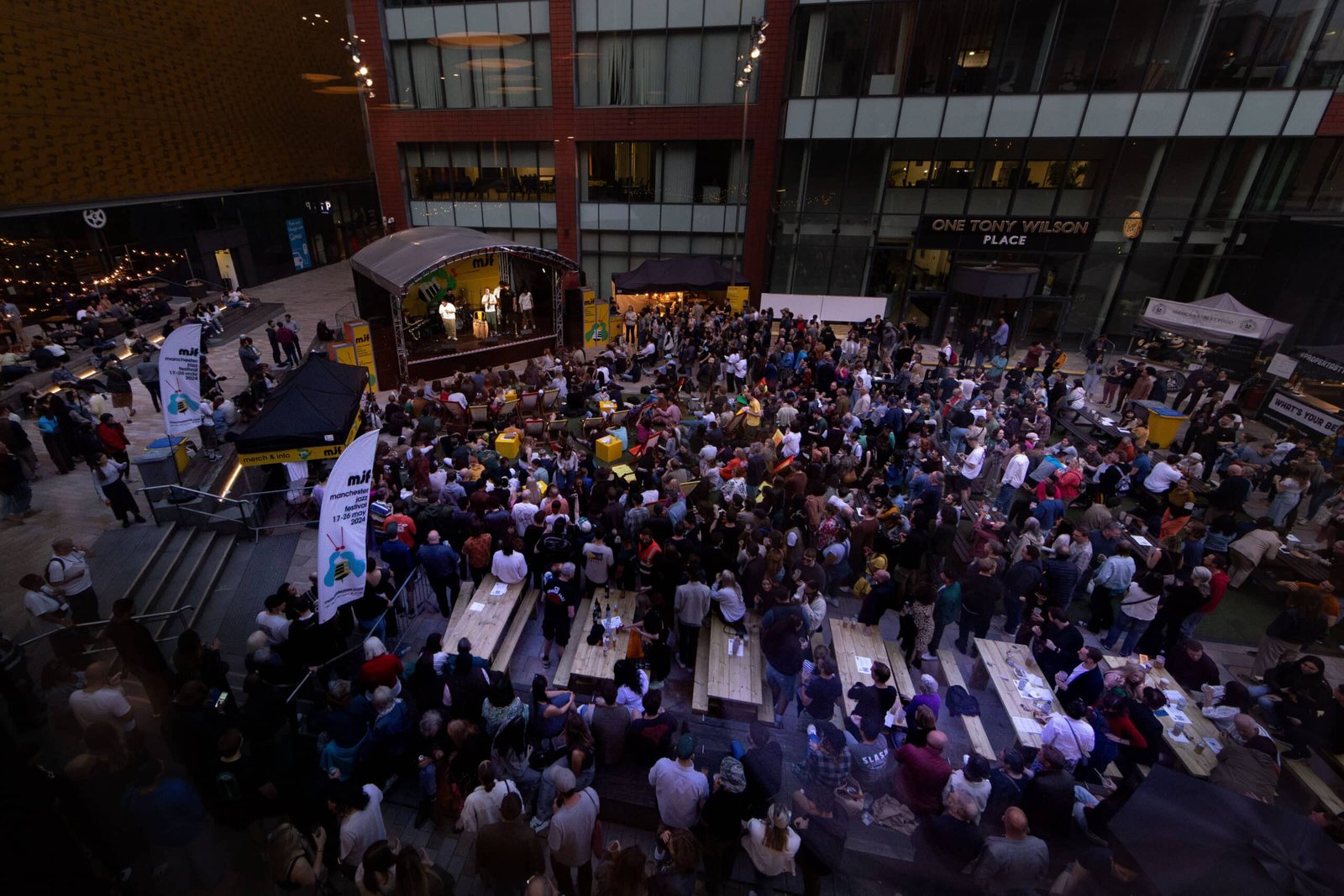
First Street is particularly important for the festival’s free opening programme. It has hosted outdoor stages in Tony Wilson Place and James Grigor Square, giving visitors an accessible introduction to the festival before moving on to ticketed concerts elsewhere in the city.
Band on the Wall is another major venue, with ticketed performances taking place in The Venue and free performances regularly presented in The Copper Bar. Matt & Phreds is used extensively for late-night performances and jazz sessions.
Full lineup
The complete Manchester Jazz Festival 2027 lineup has not yet been announced.
The official website has already opened artist opportunities for mjf2027, indicating that the 2027 artistic programme is still being developed. The festival’s programming model means that the final programme is expected to include a mixture of established performers, emerging artists, Northern artists, UK acts and international musicians.
Visitors should not treat artists from the 2026 programme as confirmed 2027 performers.
The most recent confirmed programme provides useful context. The 2026 festival included Olivia Cuttill and Friends, Dilettante, Lara Jones, Rory A Green, China Moses, Bel Cobain, Andy Sheppard, Seed., Nout and Lau Noah among its featured artists.
Other 2026 performances included Tony Kofi and Denys Baptiste presenting a project exploring the musical partnership of John Coltrane and Cannonball Adderley, while Satnam Galsian presented the commissioned work Love or Sacrifice.
The 2027 programme is expected to maintain this mixture of contemporary jazz, experimental projects, international artists and new commissions.
Headliners & featured artists
Manchester Jazz Festival does not rely exclusively on conventional headline acts. Its programme is built around a large collection of individual concerts, projects and artist-led performances.
The 2026 edition featured internationally recognised performers such as China Moses and Andy Sheppard alongside artists from Manchester and the wider North of England. International artists included Nout and Lau Noah, while emerging and genre-fusing artists such as Bel Cobain and Dilettante brought contemporary influences into the programme.
Previous editions have also presented major jazz and contemporary music figures, with the festival using intimate venues to create a closer connection between musicians and audiences.
For 2027, the featured artists and headline-scale performances will be confirmed through the official programme announcement. Until then, historical performers should be regarded only as examples of the festival’s programming style rather than confirmed bookings.
One of the most distinctive elements of mjf is that an artist appearing in a smaller venue can be just as significant to the festival experience as a larger-name performance in a major concert hall.
Stages & performance areas
Because Manchester Jazz Festival is a multi-venue city festival, it does not operate a traditional collection of permanent festival stages.
Instead, individual venues become performance areas for different parts of the programme.
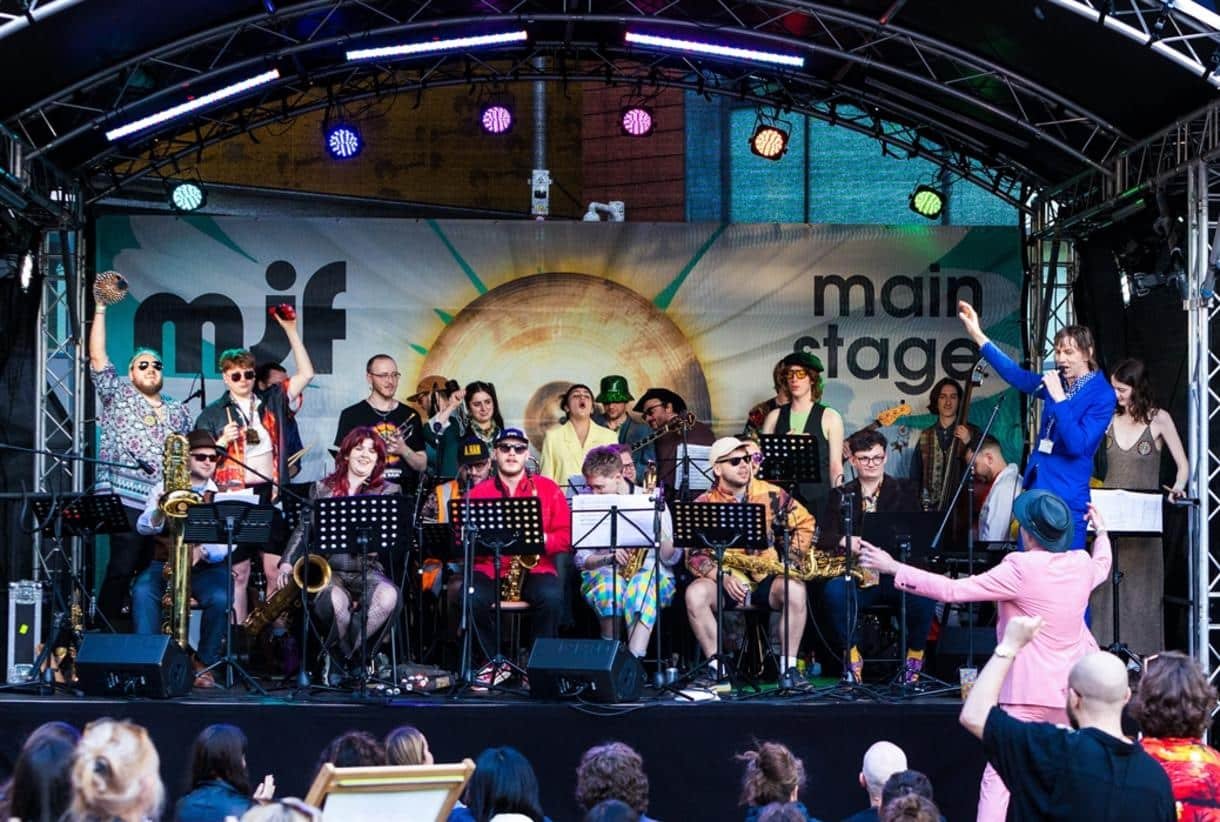
First Street Main Stage: The outdoor Main Stage at First Street has hosted free performances by Northern and Manchester-connected artists. It provides a large public-facing introduction to the festival.
Ask Garden Stage: The Ask Garden Stage has been used for emerging artists, artist-development performers and Northern talent.
HOME Stage: Previous opening-weekend programming has also used the HOME area for more intimate performances and experimental work.
Band on the Wall – The Venue: This is one of the festival’s principal ticketed concert spaces, with a strong programme of contemporary jazz and international artists.
Band on the Wall – The Copper Bar: The Copper Bar regularly hosts free performances and smaller-scale concerts.
Matt & Phreds: The Northern Quarter jazz club becomes a major late-night destination during the festival, with free and ticketed performances extending into the evening.
Stoller Hall: The venue provides a larger concert-hall environment with high-quality acoustics and seated performances.
Aviva Studios: The festival has used Factory International’s Aviva Studios for free international performances and special projects.
Forsyth Music Shop: The historic piano showroom has been used for intimate concerts and jazz-centred events.
Stage-by-stage schedule
The detailed 2027 schedule has not yet been released.
The festival’s city-wide structure means the final programme is likely to be organised primarily by venue and event rather than by one continuous festival stage timetable.
Based on recent editions, the programme can be understood through several broad performance areas:
First Street: Free outdoor performances, Northern artists, emerging talent, family-friendly activity and opening-weekend programming.
Band on the Wall: Major ticketed concerts, contemporary jazz, international performers and late-night events.
Matt & Phreds: Jazz club performances, jams, big-band events, late-night sessions and festival wrap-up activity.
Stoller Hall and RNCM: Seated concerts and larger-scale contemporary jazz performances.
Aviva Studios: Free cultural performances, international collaborations and experimental work.
Smaller venues: Intimate concerts, premieres, commissions, workshops and genre-fusing projects.
The final 2027 programme will determine which artists appear at each venue and how performances overlap.
Set times
2027 set times have not yet been published.
Manchester Jazz Festival normally provides individual start and finish times for each event rather than one universal festival timetable. This makes it possible to plan a day around several performances, although visitors should leave sufficient time to travel between venues.
The previous programme included daytime performances, afternoon concerts, evening ticketed shows and late-night events. Some performances at Matt & Phreds continued until late evening, while concerts at venues such as Band on the Wall, Stoller Hall and RNCM followed more traditional concert schedules.
For example, the 2026 programme included performances beginning in the early afternoon, evening concerts at major venues and late-night sessions at Matt & Phreds.
The official 2027 programme should be used as the definitive source for individual performance times.
Ticket types
Manchester Jazz Festival uses a mixture of free events and individually ticketed performances.
This means visitors do not necessarily need one festival-wide admission ticket to experience the event. Instead, they can select individual concerts according to their interests, while also attending free performances around the city.
Recent ticketed event prices provide a useful historical reference for 2027 planning:
- Small venue performances have previously been around $10–$22.
- Mid-range concerts have commonly been around $20–$34.
- Larger concerts have reached approximately $34–$37.
- Some events have been completely free.
- Certain special events have offered concessions or reduced admission.
These figures are converted from recent published prices using an approximate exchange rate of $1.35 to £1 and are provided as previous-edition reference prices only. The 2027 prices have not yet been announced. The 2026 archive shows examples including concerts priced around $20, $22, $27 and $34, as well as numerous free performances.
The festival also offers the mjf Friends membership programme. The current official website advertises membership at approximately $47 annually, based on the published £35 membership price, with benefits including priority booking, 15% off advance tickets and invitations to selected events and offers.
VIP & premium options
Manchester Jazz Festival’s format is different from a conventional large outdoor festival, so VIP hospitality packages are not generally the central focus.
Instead, the premium experience comes from selecting particular concerts in established venues, securing seats at popular performances and joining the mjf Friends programme for priority booking and ticket discounts.
The festival’s Friends membership has historically provided:
- Priority booking
- Discounted advance tickets
- Invitations to selected events
- Invitations to launch activities
- Special partner offers
The official website currently advertises a 15% ticket discount for Friends members.
Individual venues may also have their own seating arrangements, hospitality facilities or premium seating policies. These are venue-specific rather than one universal Manchester Jazz Festival VIP package.
Event rules
Manchester Jazz Festival takes place across established venues, so individual venue rules can vary.
Tickets: Visitors should check the admission requirements for each individual event because free and ticketed performances operate separately.
Entry: Ticketed concerts may have specific doors-open and start times. Late arrivals can be subject to venue policies.
Age requirements: Age restrictions can vary according to the individual venue and event, particularly for late-night performances.
Photography: Photography and recording policies may differ between performers and venues.
Accessibility: Visitors requiring accessible seating, an Essential Companion or accessible parking should contact the relevant venue and/or festival team before booking.
Programme changes: Artists, times and venues can occasionally change. The festival’s official programme should therefore be checked before travelling.
The festival is also committed to creating welcoming environments and states that its work is guided by values including inclusivity, collaboration, innovation and a people-focused approach.
How to get there
Manchester Jazz Festival is particularly convenient for visitors because its venues are distributed around the central city rather than being located at a remote festival site.
Manchester Piccadilly is the city’s principal railway station and provides connections to destinations across the UK. Manchester Oxford Road and Manchester Victoria are also useful depending on the venue being visited.
For central venues, walking can often be the simplest way to travel between performances. The festival’s city-centre locations make it possible to combine several concerts with restaurants, cafés and other Manchester attractions.
First Street is close to Manchester city centre and is easily reached on foot from central locations. Its official address is 1 First Street, Manchester, M15 4FN.
The Royal Northern College of Music is located at 124 Oxford Road, Manchester, M13 9RD, close to Manchester’s university district.
Visitors should check the individual venue address when planning a multi-concert day because the festival operates across several different parts of Manchester.
Public transport & parking
Public transport is generally the most practical way to move around Manchester Jazz Festival because many participating venues are centrally located and parking availability varies from venue to venue.
Manchester’s railway network provides access to the city through Piccadilly, Victoria and Oxford Road stations. The city’s tram and bus networks also provide connections to areas beyond the immediate city centre.
For visitors driving into Manchester, parking is available in multiple city-centre car parks. First Street itself has a large Q-Park facility, with the area’s festival information previously noting a 700-space car park.
Visitors attending several concerts should consider leaving their vehicle in one central car park and walking or using public transport between venues rather than moving the car after every performance.
Because events finish at different times, visitors should also check the final public transport services for their return journey, particularly after late-night concerts.
Accommodation areas
Manchester offers a large selection of hotels, apartments, hostels and short-stay accommodation within easy reach of the festival venues.
Manchester City Centre: The most convenient choice for visitors attending multiple festival events. Staying centrally places many venues within walking distance.
Northern Quarter: Particularly suitable for visitors interested in jazz clubs, bars and late-night performances, with Matt & Phreds located in this part of the city.
First Street: A convenient location for visitors prioritising the festival’s First Street programming and nearby cultural venues.
Oxford Road: Useful for performances at RNCM and other venues around Manchester’s university district.
Salford: An alternative for visitors who want accommodation outside the central core while remaining close to Manchester’s transport network.
Booking early can be useful because the festival spans ten days and attracts visitors from across the UK and beyond.
Food & drink
One of the advantages of Manchester Jazz Festival’s city-wide format is that visitors have access to Manchester’s extensive restaurant, café, bar and street-food scene throughout the festival.
First Street has a particularly strong collection of restaurants, bars and leisure businesses surrounding the festival area. Previous festival information highlighted restaurants and food venues around the neighbourhood, making it convenient for visitors attending outdoor performances.
The Northern Quarter is another popular area for food and drink, particularly for visitors attending late-night performances at Matt & Phreds.
Visitors can plan a festival day around meals between concerts, rather than relying on a single festival food village.
The city also offers a broad range of cuisines and dietary choices, including vegetarian and vegan restaurants, cafés and international food venues. Individual concert venues may have their own bars and refreshments, while larger cultural venues generally provide their own hospitality facilities.
Accessibility
Accessibility is an important part of Manchester Jazz Festival’s approach. The organisation states that its event spaces are fully accessible and wheelchair-friendly, while it also aims to stage events at different times and in welcoming environments.
First Street states that its festival stages and sites are accessible, although visitors with specific accessibility requirements are encouraged to contact the festival team in advance.
The RNCM provides accessible seating, Essential Companion arrangements and accessible parking for Blue Badge holders, with visitors asked to arrange these requirements through its ticketing partner.
Because mjf uses many different venues, accessibility arrangements can vary from one performance to another.
Visitors should therefore check:
- Step-free access
- Accessible seating
- Accessible toilets
- Companion arrangements
- Accessible parking
- Venue entrances
- Lift availability
- Any specific sensory requirements
The festival also provides an audience contact route for visitors who have questions about getting around the city or attending specific events.
Best days to attend
Because Manchester Jazz Festival lasts ten days and the programme is distributed across the city, the best period to attend depends heavily on the final 2027 programme.
The opening portion of the festival is often particularly attractive for visitors interested in free outdoor performances. First Street has previously hosted a free opening weekender featuring multiple stages and Northern artists.
The middle portion of the festival generally provides opportunities to experience individual venue concerts, intimate jazz performances, special projects and artist commissions.
The closing portion can be particularly interesting for visitors who want major concerts, international artists and the festival’s final events. In 2026, the closing programme included performances at Band on the Wall, Aviva Studios and a wrap party at Matt & Phreds.
Opening period: Suitable for free outdoor performances and an introduction to the festival.
Middle period: Useful for visitors who want to build a personalised schedule around individual ticketed concerts.
Closing period: Often includes special projects, major concerts and the festival wrap-up.
Once the 2027 programme is released, visitors can select their preferred days based on the artists and venues they most want to see.
Previous year’s highlights
The 2026 edition marked the festival’s 31st year and followed its major 30th-anniversary programme. The official announcement described the programme as a mixture of contemporary, genre-fusing jazz from the North, the wider UK and international artists.
Featured 2026 performers included China Moses, Andy Sheppard, Nout, Lau Noah, Bel Cobain, Dilettante, Olivia Cuttill and Friends, Lara Jones, Rory A Green and Seed.
The festival also presented Tony Kofi and Denys Baptiste in Legacy – Coltrane and Cannonball, exploring the musical relationship between two major jazz figures. Olivia Cuttill and Friends presented a programme celebrating legendary jazz repertoire, while Satnam Galsian’s Love or Sacrifice formed part of the festival’s commitment to new commissions.
The free First Street programme included Orchestra Mambo International, Charlie Cooper & The CCs, David Kayode, Thanda Gumede and Friends, Femme De La Femme and Lara Jones. Jazz North also returned with its Northern Line showcase featuring Rory A Green, SwanNek, Hang Linton, Rivkala and Ancient Infinity Orchestra.
The festival also presented international work at Aviva Studios, including performances from NΔbou, Sanem Kalfa’s Miraculous Layers and Sylvain Rifflet: We Want Stars.
These programmes demonstrate the breadth visitors can expect from mjf, from traditional jazz influences and contemporary improvisation to electronic textures, folk traditions, international collaborations and experimental performance.
Official tickets
Manchester Jazz Festival 2027 will use its official website to publish the programme, ticket information and individual event details as they become available.
The festival’s current website confirms the 2027 dates and provides access to festival information, artist opportunities, Friends membership and programme updates.
Because mjf consists of individual concerts and free events rather than one conventional festival arena, visitors should check each event listing carefully before booking. The individual listing will identify the venue, start time, admission requirement and ticket information.
Historical ticket prices show that many festival events are free, while paid concerts have ranged from smaller low-cost performances to larger headline concerts. The 2026 event archive, for example, includes free performances alongside ticketed events ranging from approximately $10 to more than $34 after conversion to USD.
For 2027, exact admission prices should be treated as unconfirmed until the official programme and ticketing pages publish them.
Festival website: Manchester Jazz Festival official website (https://manchesterjazz.com/)
Festival enquiries: festival@manchesterjazz.com
Tickets Sell Out
in Minutes
Maps
Contact
Video
FAQ's
When is Manchester Jazz Festival 2027?
Manchester Jazz Festival 2027 is scheduled to take place from 21–30 May 2027 in Manchester, United Kingdom. The festival will run across ten days, with performances and activities distributed among venues throughout the city.
Where is Manchester Jazz Festival held?
Manchester Jazz Festival does not have one permanent festival site and instead uses a network of city venues. Recent locations have included Band on the Wall, Matt & Phreds, First Street, Aviva Studios, The Stoller Hall, Forsyth Music Shop and other cultural spaces.
Has the Manchester Jazz Festival 2027 lineup been announced?
The complete 2027 lineup has not yet been published, although the festival has confirmed the 2027 edition and is already accepting artist submissions. The final programme is expected to combine established musicians, emerging Northern talent, UK performers, international artists and new commissioned work.
Are there free events at Manchester Jazz Festival?
Yes, free performances form an important part of the festival programme. Recent editions have included free outdoor performances at First Street, free events at Band on the Wall's Copper Bar and free international performances at Aviva Studios alongside separately ticketed concerts.
Is Manchester Jazz Festival accessible for wheelchair users?
The festival states that its event spaces are fully accessible and wheelchair-friendly, although individual arrangements vary between venues. Visitors who require accessible seating, companion arrangements, accessible parking or other assistance should contact the festival or individual venue before attending.