
Natale di Roma 2027 – Historical & Cultural Festival Italy
What to expect in 2027
Natale di Roma 2027 will celebrate the legendary foundation of Rome with a programme of historical reenactments, Roman traditions, cultural activities, educational experiences, ceremonies, music and public performances. The central celebration takes place on 21 April, the traditional Dies Natalis Urbis, commemorating the legendary founding of Rome in 753 BC.
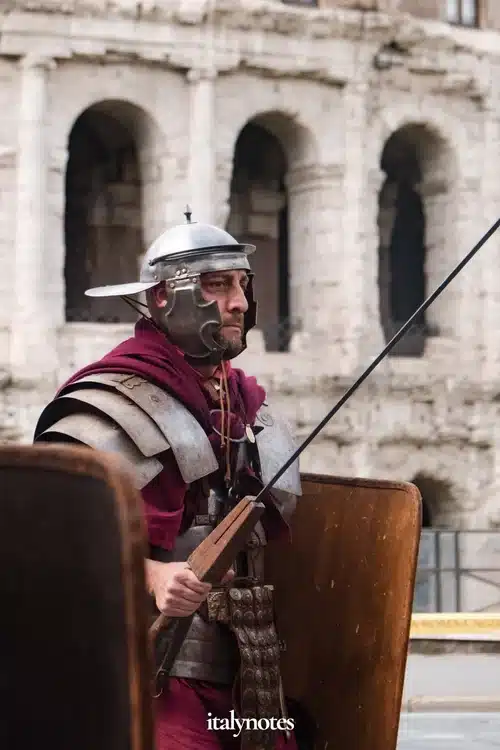
The modern Natale di Roma combines the ancient foundation story with contemporary historical interpretation. The Gruppo Storico Romano is one of the principal organisations behind the reenactment programme, bringing together Roman soldiers, gladiators, vestals, ancient civilians, dancers, artisans and other historical characters.
The 2027 event is already being prepared, with the official participant page listing Natale di Roma 2027 and continuing to update the participating associations and reenactment groups. Confirmed groups from the previous edition include organisations from Italy, France, Germany, Romania, Taiwan, Bulgaria, Hungary, Poland, Spain, the United Kingdom, Malta, Switzerland, the Czech Republic, Georgia and other locations.
Make Your European Event Trip Easy with Eura Travelo
Traveling to Europe for a festival, concert, sporting event, or business occasion involves more than simply choosing an event. Eura Travelo helps bring your journey together with support for travel planning, accommodation, event arrangements, and local experiences. Save time, reduce the hassle, and enjoy a smoother journey from planning to the event itself.
Visitors can expect the atmosphere of an open-air journey through ancient Rome, with historical costumes, military formations, Roman crafts, demonstrations, ceremonies and performances. The programme traditionally extends beyond one location, connecting archaeological areas and historic squares across central Rome.
The main experience is not simply a festival stage but the city itself. Circus Maximus, the Imperial Fora, the Pantheon, Capitoline Hill and museums become settings for different aspects of the celebration.
Event dates
Natale di Roma 2027 will be celebrated on 21 April 2027 in Rome, Italy.
The date is traditionally fixed because Natale di Roma commemorates the legendary foundation of Rome on 21 April 753 BC. The modern programme may extend across several days surrounding the central anniversary, as happened in recent editions.
In 2026, the Gruppo Storico Romano programme ran across several days and concluded on 21 April, while the wider Roma Capitale cultural programme extended across multiple locations and dates.
For 2027, visitors should therefore treat 21 April as the principal celebration date and check the official programme for the additional activities that may be scheduled before or around the anniversary.
Visiting this event? Don’t miss out on these amazing activities and local experiences while you’re here.
Venues & festival locations
Natale di Roma is a city-wide cultural celebration rather than an event contained within one festival ground. Its historical programme traditionally uses some of Rome’s most important archaeological and monumental locations.
Major locations associated with recent editions include:
- Circus Maximus
- Imperial Fora
- Via dei Fori Imperiali
- Pantheon
- Capitoline Hill
- Piazza del Campidoglio
- Museo Nazionale Romano
- Baths of Diocletian
- Trajan’s Markets
- Museo di Roma
- Museo di Roma in Trastevere
- Museo Giovanni Barracco
- Casa del Cinema
- Other civic museums and archaeological sites
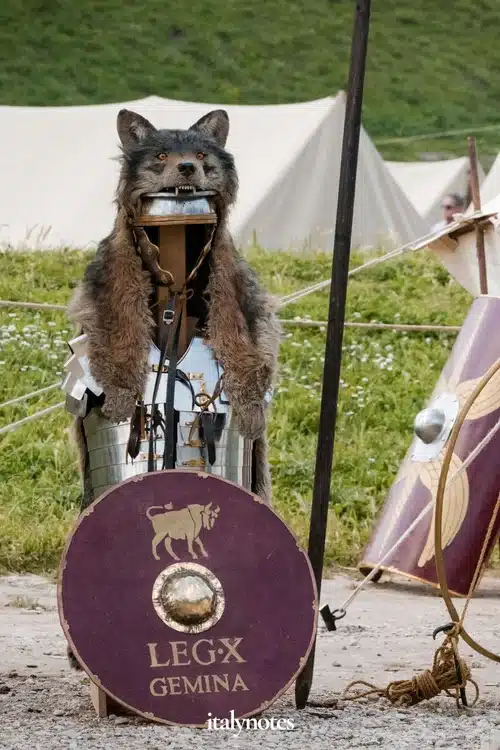
Circus Maximus has a particularly important role in the historical reenactment programme. Recent editions have transformed parts of the archaeological area into a Roman camp where visitors can encounter historical demonstrations, workshops, performances and reenactors.
The Imperial Fora and Via dei Fori Imperiali are especially significant for the major historical parade. The parade route has traditionally connected Circus Maximus with the historic centre and major monuments around the ancient Roman Forum and Colosseum area.
Full cultural programme
The complete 2027 programme has not yet been published in full. However, recent editions provide a clear picture of the cultural activities visitors can expect.
Historical reenactments
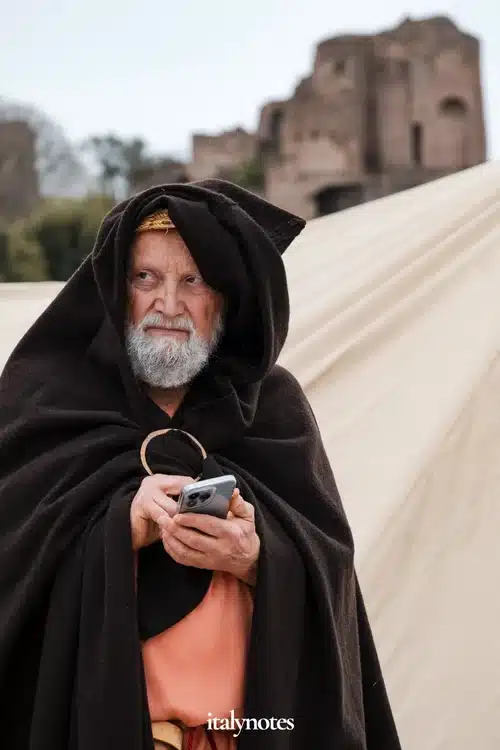
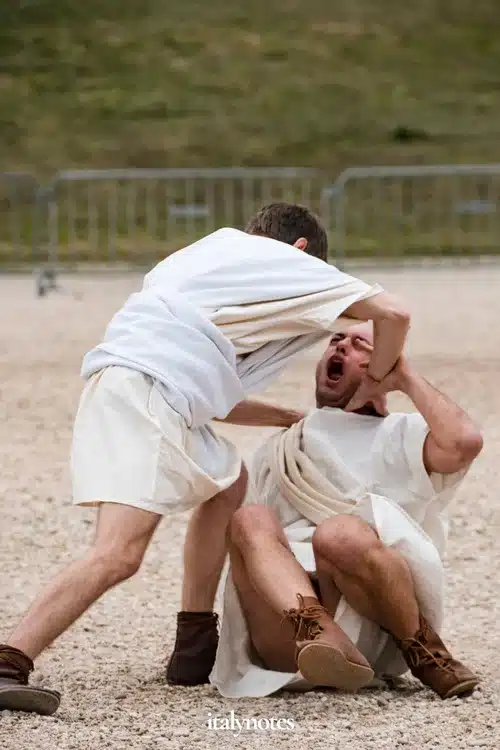
Historical groups recreate aspects of Roman military, civilian and religious life. These can include legionaries, gladiators, vestals, senators, civilians, craftsmen and representatives of different peoples who interacted with Rome.
Roman camp
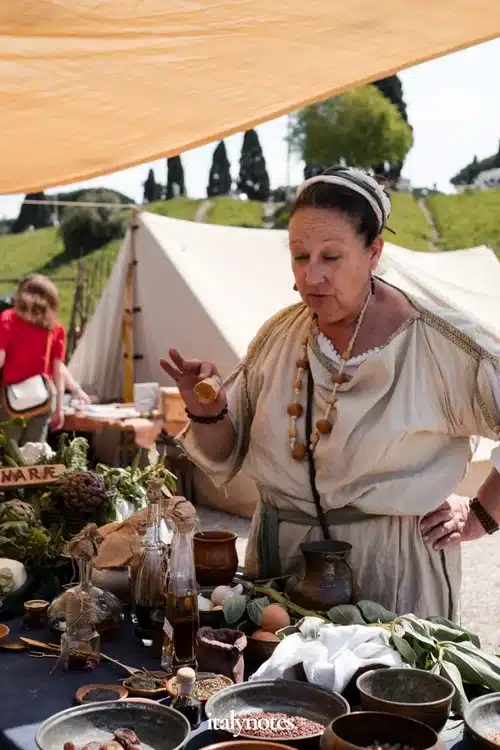
A temporary Roman-style encampment traditionally forms one of the main educational attractions at Circus Maximus. Visitors can observe reconstructed equipment, clothing, crafts, military life and everyday activities.
Gladiator performances
Gladiatorial demonstrations are a recurring part of the Gruppo Storico Romano programme. They present staged combat within an educational historical framework and help illustrate the spectacle culture of ancient Rome.
Historical parade
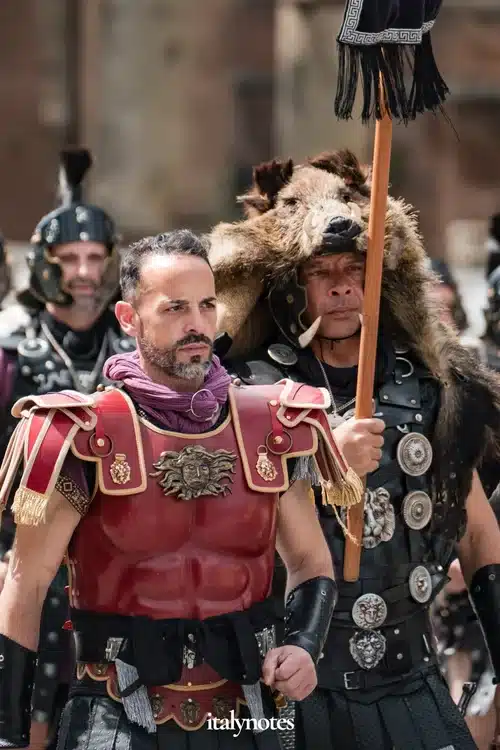
The major Historical Parade brings together large numbers of reenactors in Roman and related historical costumes. Recent editions have involved more than 1,300 reenactors from numerous countries, while earlier editions have exceeded 1,500 participants.
Educational activities
Demonstrations and workshops allow visitors to learn about Roman crafts, customs, military equipment and everyday life rather than simply watching performances.
Museum and cultural programme
Roma Capitale also organises exhibitions, themed itineraries, museum activities, guided tours and cultural presentations as part of the wider Natale di Roma programme.
Featured traditions & performances
Natale di Roma brings together several traditions associated with the legendary origins of the city.
Romulus and Remus
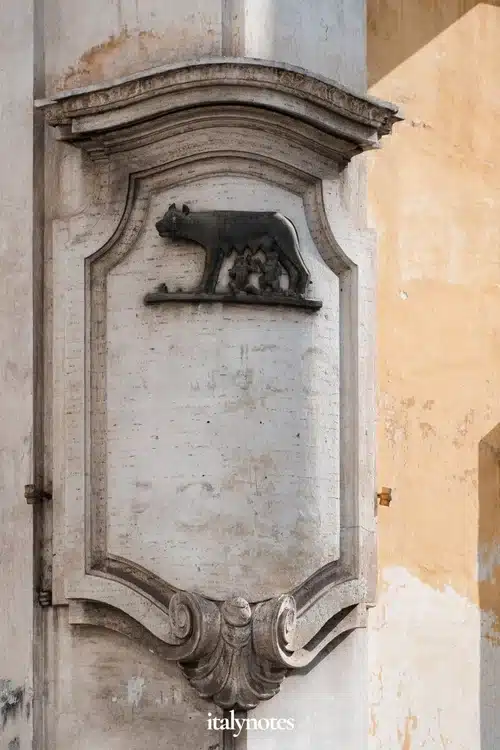
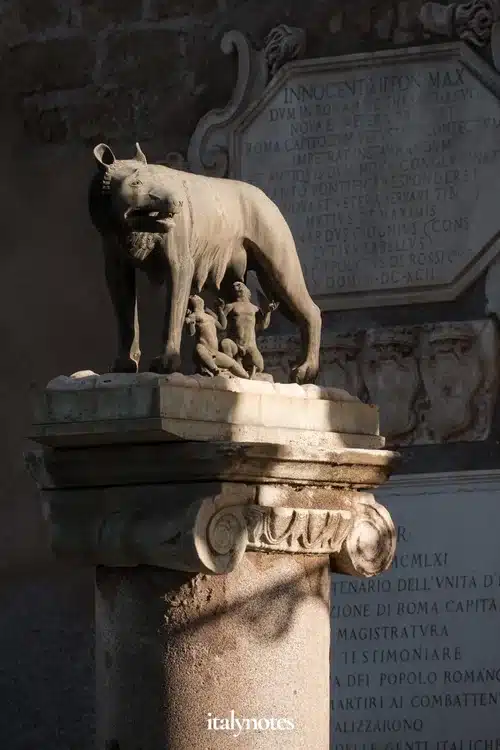
The story of Romulus and Remus remains one of the central narratives represented through historical and theatrical performances. According to Roman tradition, the twins were the sons of Rhea Silvia and Mars and were ultimately raised after being rescued by the she-wolf and found by the shepherd Faustulus.
The foundation of Rome
Reenactments may portray the moment when Romulus establishes the settlement and marks its sacred boundary. The foundation story provides the symbolic centre of the festival.
Gladiatorial combat
Gladiatorial demonstrations recreate the visual atmosphere of ancient Roman arena combat while providing historical interpretation through costumes, equipment and staged performances.
Ancient dance and music
Historical associations specialising in ancient dance, performance and social customs contribute to the broader programme.
Roman military formations
Legionary groups demonstrate equipment, formations, marching techniques and military culture. The 2027 participant list already includes numerous Roman military reenactment organisations.
Historical & heritage highlights
The historical foundation of Natale di Roma is connected with Rome’s legendary foundation by Romulus. The traditional chronology places the founding of the city on 21 April 753 BC.
The expression Dies Natalis refers to the birthday or foundation day of the city. Roman traditions surrounding the date eventually became connected with the Palilia, an ancient pastoral festival associated with the deity Pales. Modern historical sources describe the connection between these traditions and the later celebration of Rome’s foundation.
The festival also highlights the enormous archaeological legacy surrounding the founding story. Visitors can move between locations connected with different periods of Roman history, including the Palatine area, Circus Maximus, Imperial Fora, Pantheon and Capitoline Hill.
The modern reenactment movement adds another layer to this heritage. Rather than presenting Rome only through museum objects and ruins, reenactors demonstrate clothing, crafts, rituals, military equipment and social practices in a live setting.
Events & activities schedule
The exact 2027 timetable is expected to be announced by the organisers as preparations continue. The established programme can include activities such as:
- Opening or ceremonial events
- Historical reenactment performances
- Roman camp activities
- Educational workshops
- Gladiator demonstrations
- Ancient dance and music
- Historical lectures and presentations
- Roman military demonstrations
- Religious and symbolic reenactments
- Historical parade
- Museum tours
- Archaeological activities
- Cultural exhibitions
- Special events connected with Dies Natalis Urbis
In the 2026 programme, the official celebration included the historical parade, gladiator tournament, ritual reenactments and educational activities, while Roma Capitale organised additional museum and cultural events.
The schedule should therefore be checked shortly before travelling because individual activities can change location, require advance booking or have limited capacity.
Ticket types & entry options
The main public celebrations of Natale di Roma are generally free to attend. The 2026 Gruppo Storico Romano programme explicitly stated that its events were free and open to the public.
For 2027, the main outdoor historical performances, parade viewing and public celebrations are expected to remain accessible without a general festival admission ticket.
General festival access: $0 for the public outdoor celebration, based on the free-admission model used in recent editions.
Special activities: Individual museums, archaeological sites or guided experiences may have separate admission or booking conditions.
Museum events: Some guided activities have been free while requiring a museum admission ticket or advance reservation. In 2026, certain Roma Capitale museum tours were free of charge with museum admission requirements applying.
Guided tours & cultural experiences
Guided tours are an important part of the wider cultural programme surrounding Natale di Roma. Recent Roma Capitale editions have included themed tours at museums and archaeological sites, allowing visitors to explore Roman history beyond the large public reenactments.
Potential cultural experiences include:
- Guided archaeological tours
- Museum tours
- Roman history presentations
- Themed itineraries
- Historical workshops
- Archaeological demonstrations
- Ancient-life interpretation
- Guided exploration of Roman monuments
Recent participating museums have included the Museo di Casal de’ Pazzi, Mercati di Traiano – Museo dei Fori Imperiali, Museo Pietro Canonica, Museo Giovanni Barracco, Galleria d’Arte Moderna, Museo di Roma in Trastevere and Museo di Roma at Palazzo Braschi.
Where a museum ticket is required, 2026 prices provide a useful reference. The Museo Nazionale Romano listed a full admission price of approximately $17 and a reduced admission of approximately $2.30, based on its published 2026 rates and an approximate €1 = $1.13 conversion. 2027 rates may differ.
Special ceremonies & celebrations
Ceremonial reenactments provide some of the most distinctive moments of Natale di Roma.
Renewal of the Sacred Fire
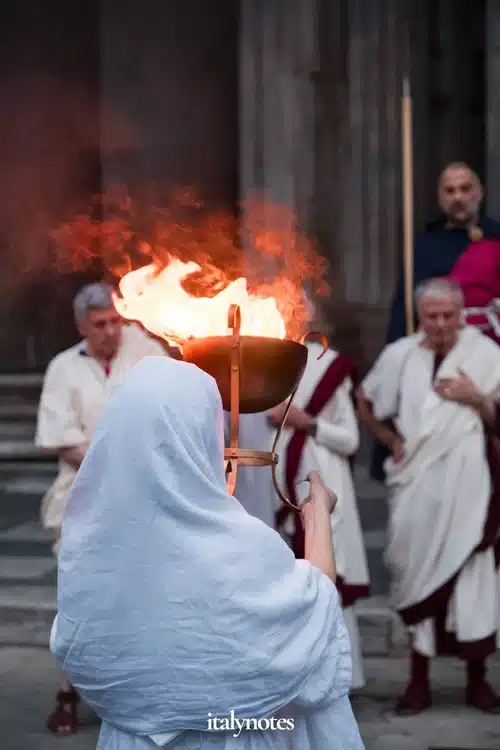
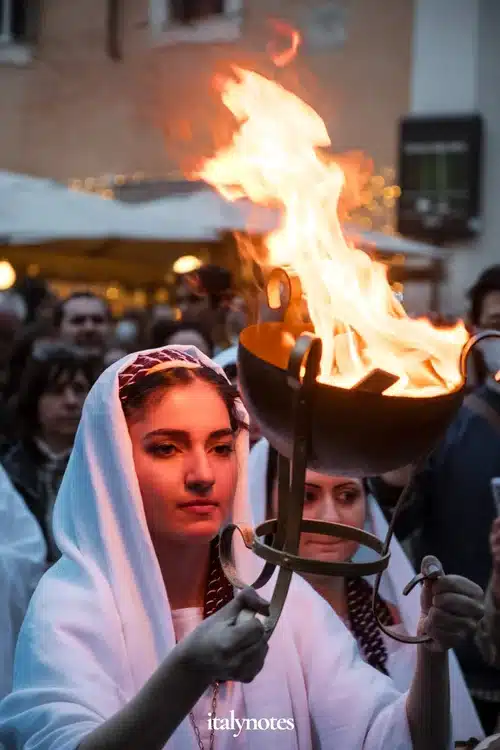
Recent Gruppo Storico Romano programmes have included the Rinnovo del Fuoco Sacro, a reenactment inspired by the ancient Roman tradition of the sacred fire associated with Vesta and the Vestal Virgins.
Palilia
The Palilia or Parilia was an ancient Roman pastoral festival associated with Pales. Modern reenactments connect this ancient tradition with the birthday celebrations of Rome. The Museo Nazionale Romano included a Palilia reenactment in its 2026 Natale di Roma programme.
Tracciato del Solco Primigenio
This ceremony recreates the symbolic act of marking Rome’s sacred boundary with a plough. The 2026 Museo Nazionale Romano programme presented the ritual as a reenactment of the foundation associated with Romulus and the pomerium.
Benedictio Urbi
The Benedictio Urbi has also appeared in previous historical reenactment programmes, presenting a ceremonial blessing of the city within the festival’s historical interpretation.
Festival rules
Visitors should remember that Natale di Roma takes place across active public streets, archaeological areas, museums and major tourist attractions.
Respect archaeological sites: Do not climb monuments, touch protected remains or enter restricted archaeological areas.
Follow crowd controls: Parade routes and major performance areas can become extremely busy. Follow barriers and instructions from event staff.
Photography: Photography is generally possible in public areas, but visitors should respect museum rules and reenactors’ instructions during performances.
Do not interfere: Reenactments are carefully staged. Visitors should not enter performance areas, touch historical equipment or interfere with participants.
Check individual venues: Museums and archaeological sites may have their own rules concerning bags, photography, food, drinks and access.
The official 2027 participant page already notes that, for the current preparation, spectators will not be able to stop close to the stage on Via dei Fori Imperiali. Visitors should therefore follow the latest crowd-management instructions when the 2027 programme is published.
How to get there
Rome is easily accessible from within Italy and internationally, with two major airports and extensive rail connections.
For visitors arriving by train, Roma Termini is the city’s principal railway station and provides connections to major Italian and European destinations. Roma Ostiense and Roma Tiburtina are additional important stations.
For international visitors, Leonardo da Vinci–Fiumicino Airport is the main international gateway. Ciampino Airport also handles commercial flights and is closer to the city centre.
Because the festival uses central archaeological areas, public transport and walking are generally more practical than driving directly to individual event locations.
Public transport & parking
Rome’s metro, buses and urban rail network provide connections to the main festival districts.
For Circus Maximus, the Metro B Circus Massimo station is particularly convenient. Colosseo station provides access to the Colosseum and Imperial Fora area, while central bus routes connect many of the surrounding districts.
Visitors should allow additional time when travelling during the parade because roads may be temporarily restricted or pedestrianised.
Parking in the historic centre can be difficult, especially during large public events. Visitors travelling by car should consider leaving vehicles outside the most congested central areas and continuing by public transport.
Walking between locations can also be an effective way to experience the festival because many of the major sites are concentrated within Rome’s historic centre.
Accommodation areas
Staying close to central Rome makes it easier to combine Natale di Roma with sightseeing.
Monti: A convenient area for access to the Colosseum and Imperial Fora, with restaurants, cafés and accommodation.
Colosseum area: Useful for visitors focusing on the archaeological programme and major historical parade routes.
Centro Storico: Provides access to the Pantheon, Piazza Navona, Campo de’ Fiori and many central cultural sites.
Trastevere: A popular area with restaurants, historic streets and connections to the central city.
Testaccio: Located near Circus Maximus and offering a more residential atmosphere with Roman food traditions.
Termini area: Practical for visitors prioritising railway connections and a wide range of accommodation.
For the festival period, booking accommodation in advance is advisable because April is a popular time to visit Rome and Natale di Roma coincides with a busy sightseeing season.
Food & traditional specialties
Natale di Roma is primarily a historical and cultural celebration rather than a dedicated food festival, but it provides an excellent opportunity to experience Roman cuisine while visiting the city.
Traditional dishes to look for include:
- Cacio e pepe
- Carbonara
- Amatriciana
- Gricia
- Saltimbocca alla romana
- Carciofi alla romana
- Carciofi alla giudia
- Supplì
- Roman-style pizza
- Porchetta
- Maritozzo
- Traditional Roman wines
Visitors exploring the festival area can combine historical activities with restaurants and food markets in Monti, Testaccio, Trastevere and the Centro Storico.
For a more historically themed experience, visitors can also look for Roman-inspired food presentations or educational demonstrations when these are included in the annual programme.
Accessibility
Accessibility varies considerably because Natale di Roma is distributed across archaeological areas, historic streets, museums, public squares and parade routes.
Some modern museums and cultural venues provide accessible entrances and facilities, while ancient archaeological locations can contain uneven surfaces, steps, cobblestones and other physical obstacles.
Visitors with mobility requirements should check the accessibility information for each individual venue before attending. Museum-based activities can sometimes provide more controlled access than large outdoor events.
Large crowds during the Historical Parade may also make movement slower. Arriving early and selecting an accessible viewing location can make the experience easier.
Some previous Roma Capitale cultural programmes have also included Italian Sign Language interpretation for selected appointments, demonstrating an ongoing effort to improve accessibility across the cultural programme.
Best cultural experiences
Watch the Historical Parade
The parade is one of the defining experiences of Natale di Roma, bringing together large numbers of reenactors in Roman military and civilian costumes. Recent editions have included participants from numerous countries.
Explore the Roman camp
Circus Maximus provides an opportunity to see reconstructed Roman life at close range, including crafts, military equipment, costumes and demonstrations.
See gladiatorial performances
Gladiator reenactments combine theatrical performance with historical interpretation and are among the most recognisable activities associated with the festival.
Experience the foundation rituals
The Tracciato del Solco Primigenio and Palilia offer a deeper understanding of how ancient traditions have been incorporated into the modern celebration.
Visit the Imperial Fora
The archaeological landscape around the Imperial Fora provides a powerful setting for understanding the city that the festival celebrates.
Visit the Pantheon
The Pantheon is closely associated with the cultural imagery of Rome’s historic centre. ItalyNotes also highlights the distinctive sunlight effect associated with the building around the anniversary, although interpretations of its ancient astronomical purpose should be treated as scholarly interpretation rather than established fact.
Explore museums
The wider Roma Capitale programme provides opportunities to combine the festival with museums, exhibitions and guided cultural itineraries.
Previous year’s highlights
The 2026 edition celebrated Rome’s 2,779th traditional birthday and used the theme “Roma, città del diritto e dell’accoglienza.” The Gruppo Storico Romano programme brought together more than 1,300 reenactors from 16 European countries along with an international delegation from Taiwan.
Major 2026 highlights included the Historical Parade, Gladiator Tournament, ritual reenactments and educational activities. Events were distributed across locations including the Pantheon, Circus Maximus, Imperial Fora, Museo Nazionale Romano and other major cultural venues.
The Museo Nazionale Romano also hosted reenactments of the Tracciato del Solco Primigenio and Palilia at the Baths of Diocletian. These events connected the legendary foundation of Rome with ancient ritual traditions and offered visitors a more educational interpretation of the city’s origins.
The wider Roma Capitale programme included guided tours, cultural presentations and live music. On the central anniversary day, military and civic bands performed at several historic squares, while Palazzo Senatorio offered specially organised visits to the Aula Giulio Cesare.
The official 2027 participant page is already being updated, indicating that preparations for the next edition are underway. It currently carries a substantial list of historical associations and reenactment groups, although the final 2027 programme and complete participant roster remain subject to updates.
Official tickets
Natale di Roma does not normally operate with one general festival admission ticket. The main public celebrations and historical reenactments are generally free.
For 2027, visitors should expect the principal outdoor programme to remain accessible without a general admission charge, following the free public model confirmed for the 2026 Gruppo Storico Romano edition.
General festival admission: $0 based on the latest confirmed edition.
Special reservations: Some individual activities may require advance booking even when no admission charge applies.
Museum activities: Certain guided tours can be free as activities but require the applicable museum admission. For reference, the Museo Nazionale Romano published a 2026 full admission price of approximately $17 and a reduced price of approximately $2.30. These are previous-edition reference prices and should not be treated as confirmed 2027 rates.
Visitors should check the official Natale di Roma programme and participating venue pages before travelling, particularly for reservations, museum access and any changes to parade routes or viewing arrangements.
Tickets Sell Out
in Minutes
Maps
Contact
Video
FAQ's
When is Natale di Roma 2027?
Natale di Roma 2027 will take place on 21 April 2027 in Rome, Italy. The date represents the traditional Dies Natalis Urbis, or birthday of Rome, associated with the legendary foundation of the city in 753 BC. Additional cultural and reenactment activities may take place around the central anniversary.
What can visitors see at Natale di Roma?
Visitors can experience historical reenactments, Roman military displays, gladiator performances, ancient costumes, educational demonstrations, ceremonies and the large Historical Parade. The wider programme can also include museums, guided tours, exhibitions, workshops and cultural presentations across central Rome.
Where are the main Natale di Roma events held?
Major activities are traditionally distributed between Circus Maximus, the Imperial Fora, Via dei Fori Imperiali, the Pantheon, Capitoline Hill and participating museums. The exact 2027 programme will determine which locations host individual ceremonies, performances, tours and reenactments.
Is Natale di Roma suitable for families?
The festival offers many educational and visual experiences suitable for families, including Roman camps, historical demonstrations, crafts, costumes and reenactments. Parents should consider crowd levels around the main parade and check individual museum activities for age recommendations or booking requirements.
What is the Historical Parade at Natale di Roma?
The Historical Parade is a large-scale procession featuring reenactors representing Roman soldiers, gladiators, civilians, religious figures and other historical characters. Recent editions have brought together more than 1,300 participants from multiple countries, making the parade one of the central experiences of the modern celebration.