
Royal Parks Half Marathon 2026 – Road Running Event UK
What to expect in 2026
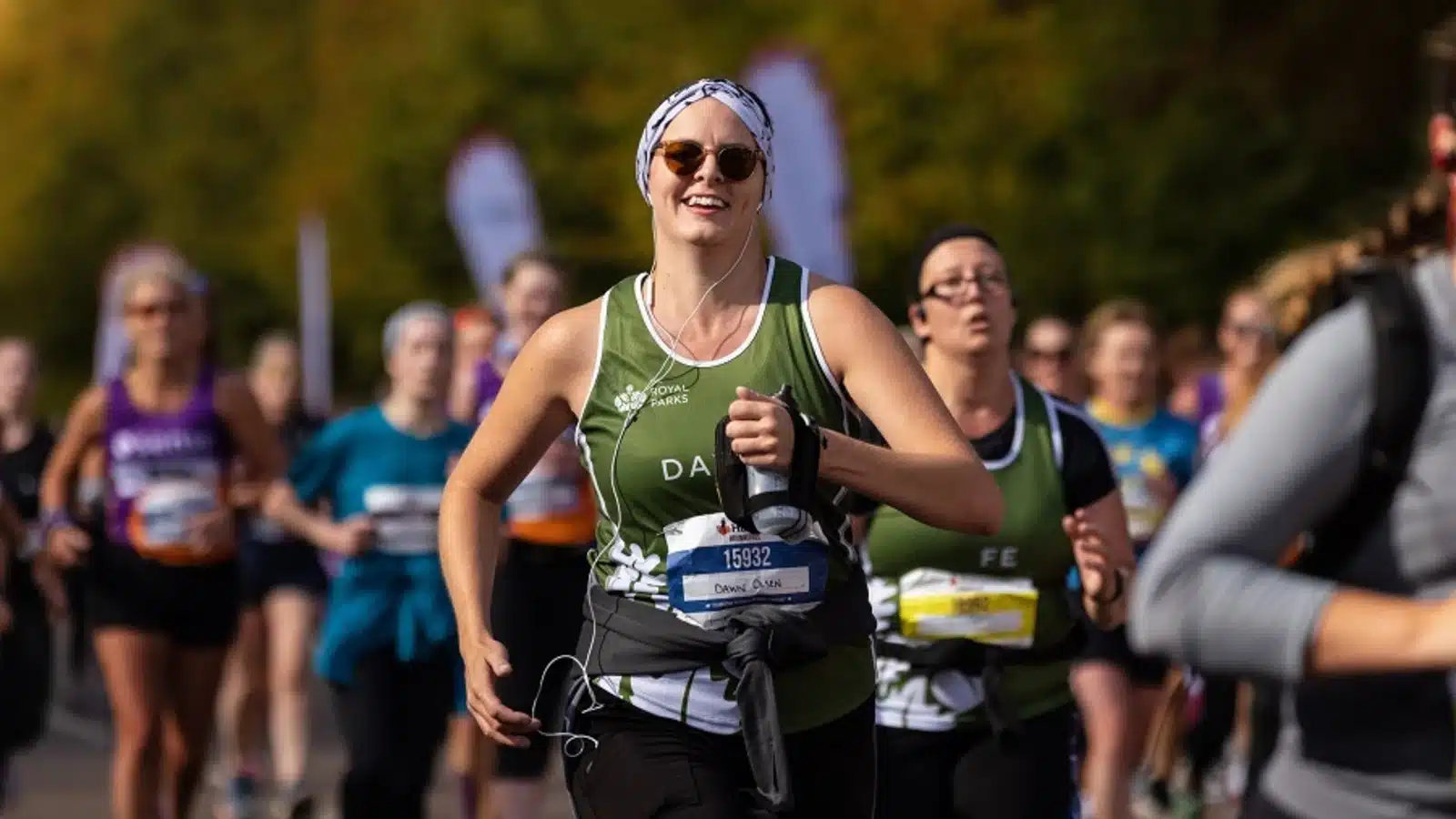
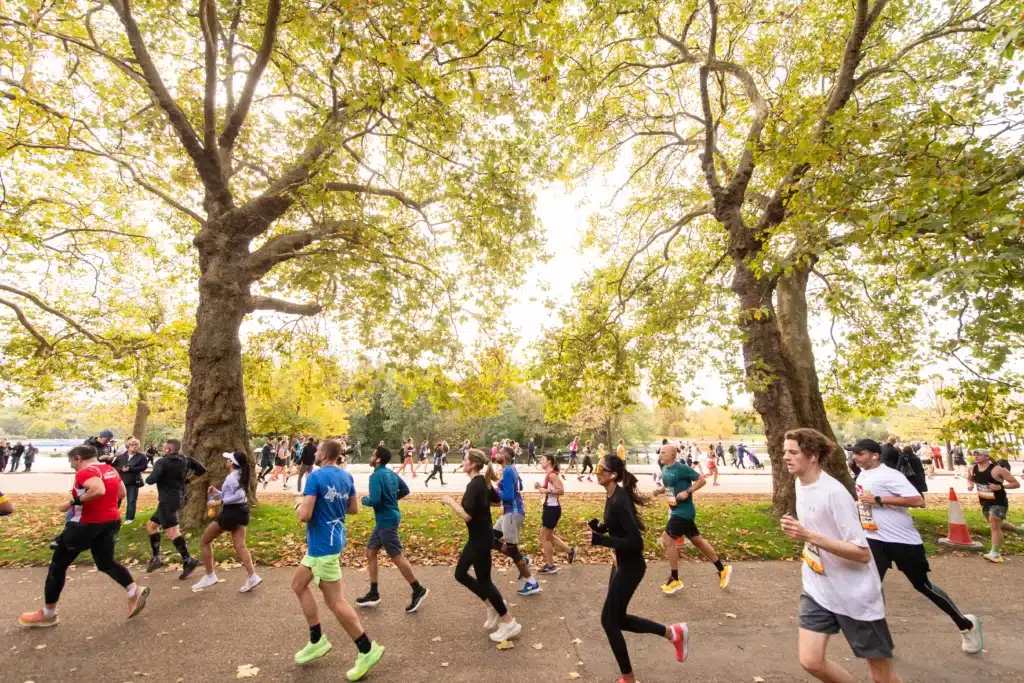
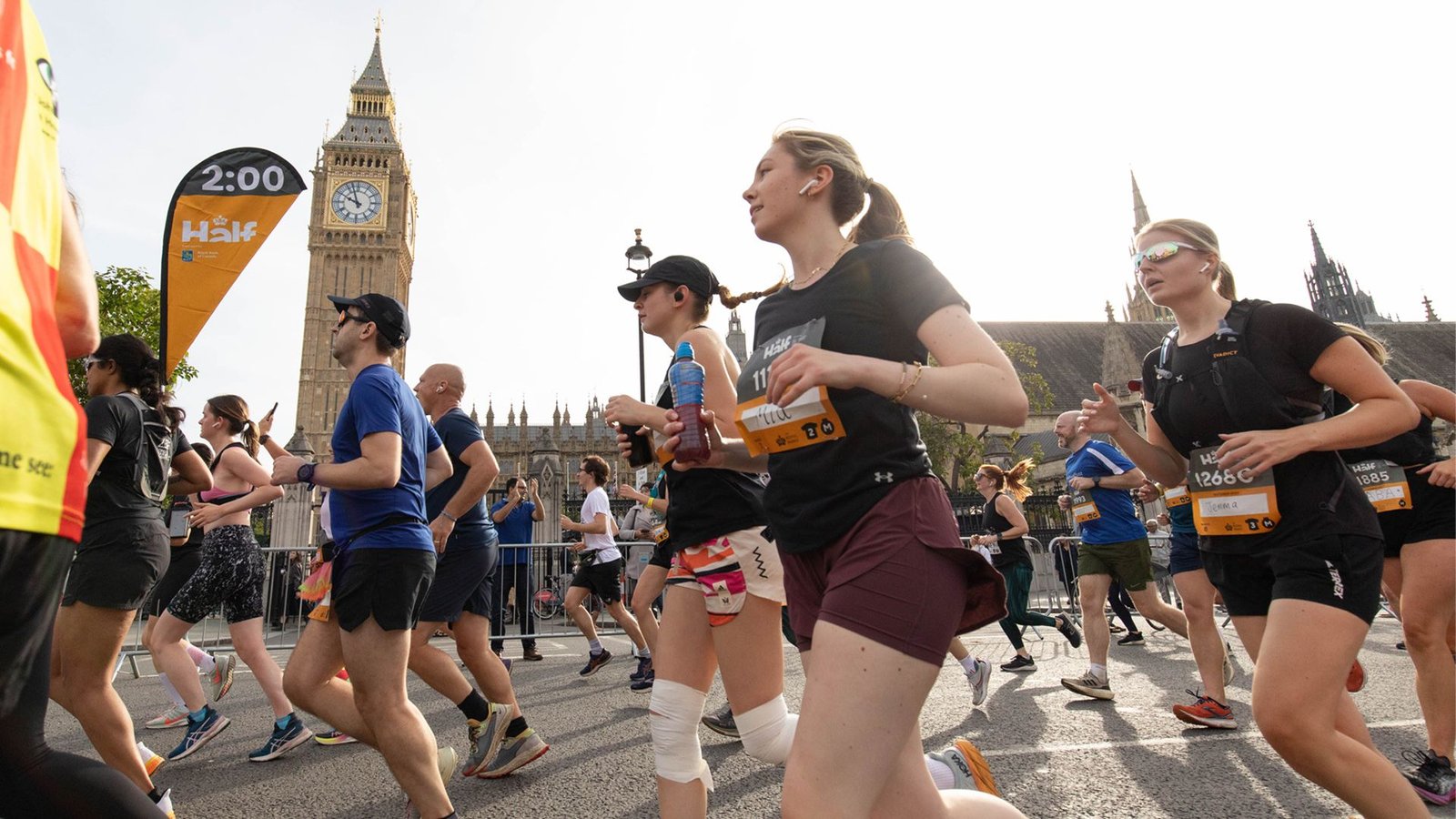
The Royal Parks Half Marathon 2026, officially presented as the Oysho Royal Parks Half Marathon, returns to central London for another major road-running event through some of the capital’s most famous parks and landmarks. The race takes place on a 13.1-mile course and passes through Hyde Park, The Green Park, St James’s Park and Kensington Gardens. Runners also pass landmarks including Buckingham Palace, Kensington Palace, Horse Guards Parade, Big Ben, the Houses of Parliament and the Royal Albert Hall.
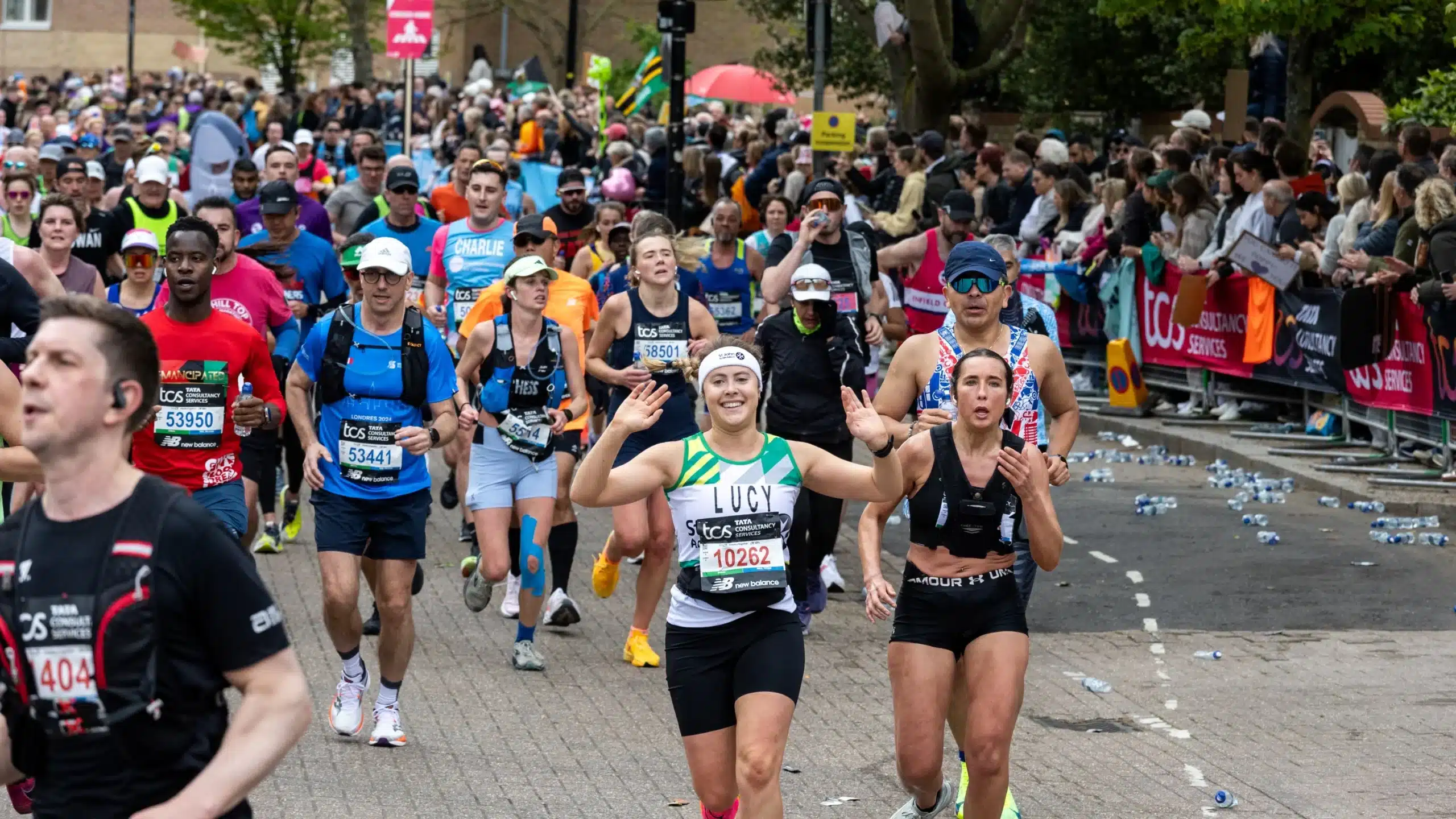
The event combines mass-participation road running with a festival atmosphere. More than 16,000 runners are expected to form the field, while supporters can enjoy entertainment and activities around the Hyde Park event village. The race was established in 2008 by The Royal Parks charity as an annual fundraising initiative, and the event has since raised more than £80 million for more than 1,900 UK charities.
The 2026 edition also continues the refreshed course introduced in 2025. The finish line experience is located between the Albert Memorial and Royal Albert Hall, giving runners a distinctive landmark backdrop as they complete the 13.1-mile challenge.
Make Your European Event Trip Easy with Eura Travelo
Traveling to Europe for a festival, concert, sporting event, or business occasion involves more than simply choosing an event. Eura Travelo helps bring your journey together with support for travel planning, accommodation, event arrangements, and local experiences. Save time, reduce the hassle, and enjoy a smoother journey from planning to the event itself.
The course is generally flat, although runners should expect some gentle undulations. Because the race uses closed roads in central London, participants get a largely traffic-free route through some of the city’s most recognizable areas.
Match/event dates
The Royal Parks Half Marathon 2026 takes place on Sunday 11 October 2026 in London. The event village and race operations are centered around Hyde Park, while the race itself travels through four Royal Parks and surrounding central London streets.
The event is open to participants aged 17 or older on race day. The 2026 UK public ballot opened in January and closed in February, with successful applicants notified in February. The public ballot is now closed, although charity fundraising places remain available through participating organizations.
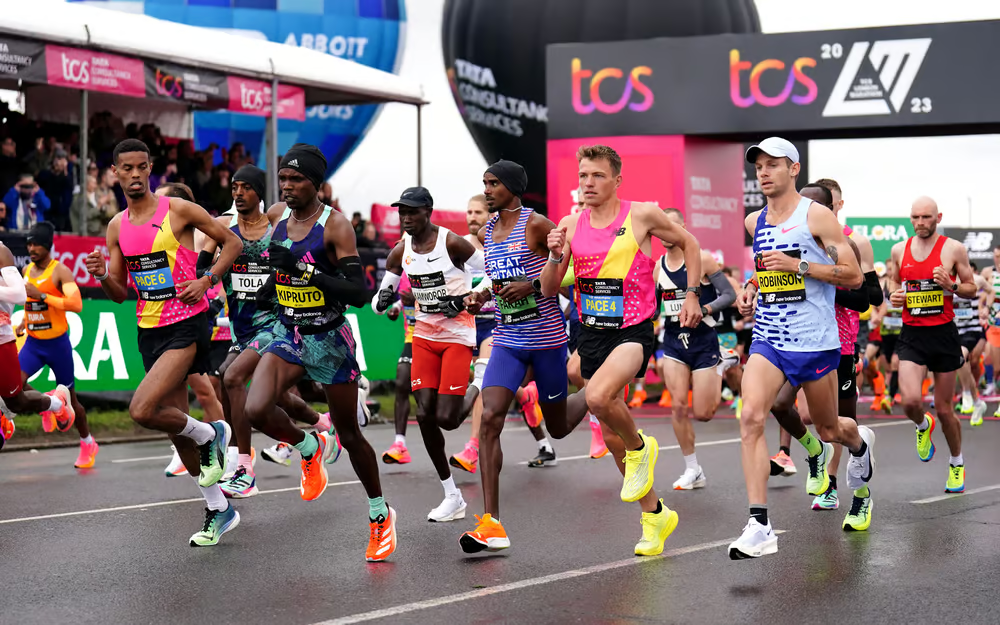
Runners should check their individual race-day timetable rather than relying solely on the headline race start. Participants are allocated waves according to their predicted finish times, creating a staggered start that allows thousands of runners to enter the course in a controlled manner.
Visiting this event? Don’t miss out on these amazing activities and local experiences while you’re here.
Stadium & sports venue
The Royal Parks Half Marathon does not take place inside a conventional stadium. Instead, central London itself becomes the race venue, with the route running through four Royal Parks and along closed city roads.
Start area: Hyde Park provides the principal event village and start area.
Finish area: The refreshed course finishes in Kensington Gardens, with the finish line positioned between the Albert Memorial and the Royal Albert Hall.
Parks: The route passes through Hyde Park, The Green Park, St James’s Park and Kensington Gardens.
Landmarks: Depending on the exact course configuration, runners experience views of Buckingham Palace, Kensington Palace, Horse Guards Parade, the London Eye, Big Ben, the Houses of Parliament, Wellington Arch, Trafalgar Square and the Royal Albert Hall.
The event village in Hyde Park is designed as the main pre- and post-race gathering area. It includes facilities such as baggage services, toilets, water, information points, charity marquees, partner activations, food and drink areas and post-race activities.
Full fixture or event schedule
The Royal Parks Half Marathon follows a race-day schedule rather than a conventional fixture list. Individual runners receive their personal timetable before the event, including their recommended arrival time, wave number and start time.
The broad race-day sequence is expected to include:
- Event village opening: The Hyde Park event village opens from approximately 7:30am.
- Runner arrival: Participants should arrive according to the individual timetable supplied by the organisers.
- Baggage drop: Runners can use the designated baggage marquee before moving toward the start area.
- Wave loading: Participants are called into their allocated start funnels in stages.
- Race start: The first wave is expected to begin at approximately 8:45am, with later waves continuing afterward.
- Main race: Runners complete the 13.1-mile closed-road course through central London.
- Finish: Participants finish in Kensington Gardens near the Albert Memorial and Royal Albert Hall.
- Finisher collection: Runners collect their finisher items and then make their way back toward the event village.
- Post-race activities: Food, drink, partner activities and supporter facilities continue around the Hyde Park event village.
The organisers emphasize that the timetable is staggered because more than 16,000 people cannot cross the start line simultaneously. Participants are allowed to move backward to a later wave if necessary, but they are not permitted to move forward into an earlier wave.
Teams, athletes & participants
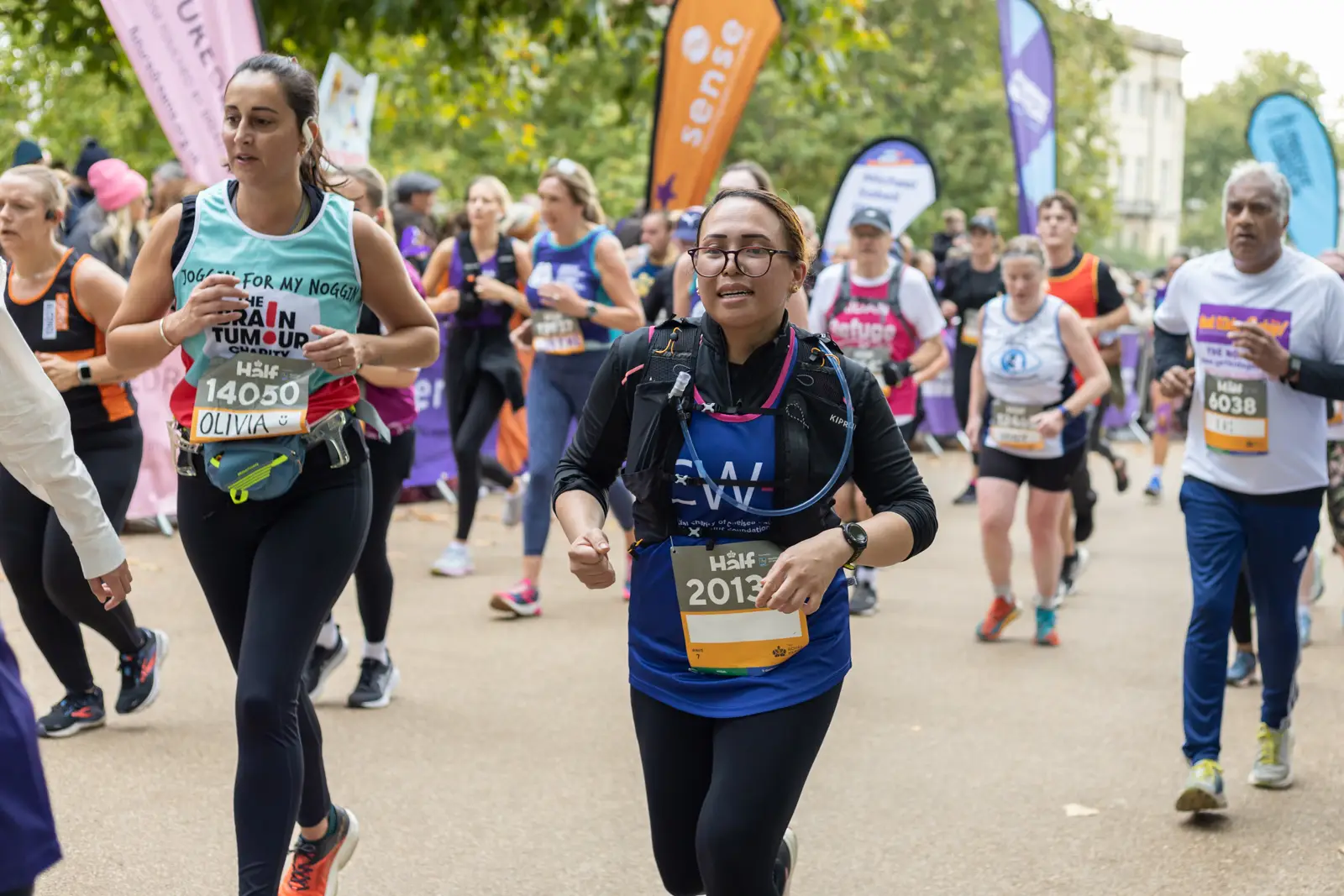
The event is an individual mass-participation half marathon rather than a conventional team competition. Runners include experienced distance athletes, first-time half marathon participants, charity fundraisers, corporate teams, community running groups and runners taking part for personal challenges.
Individual runners: Participants compete over the same 13.1-mile course and receive an official chip-timed result.
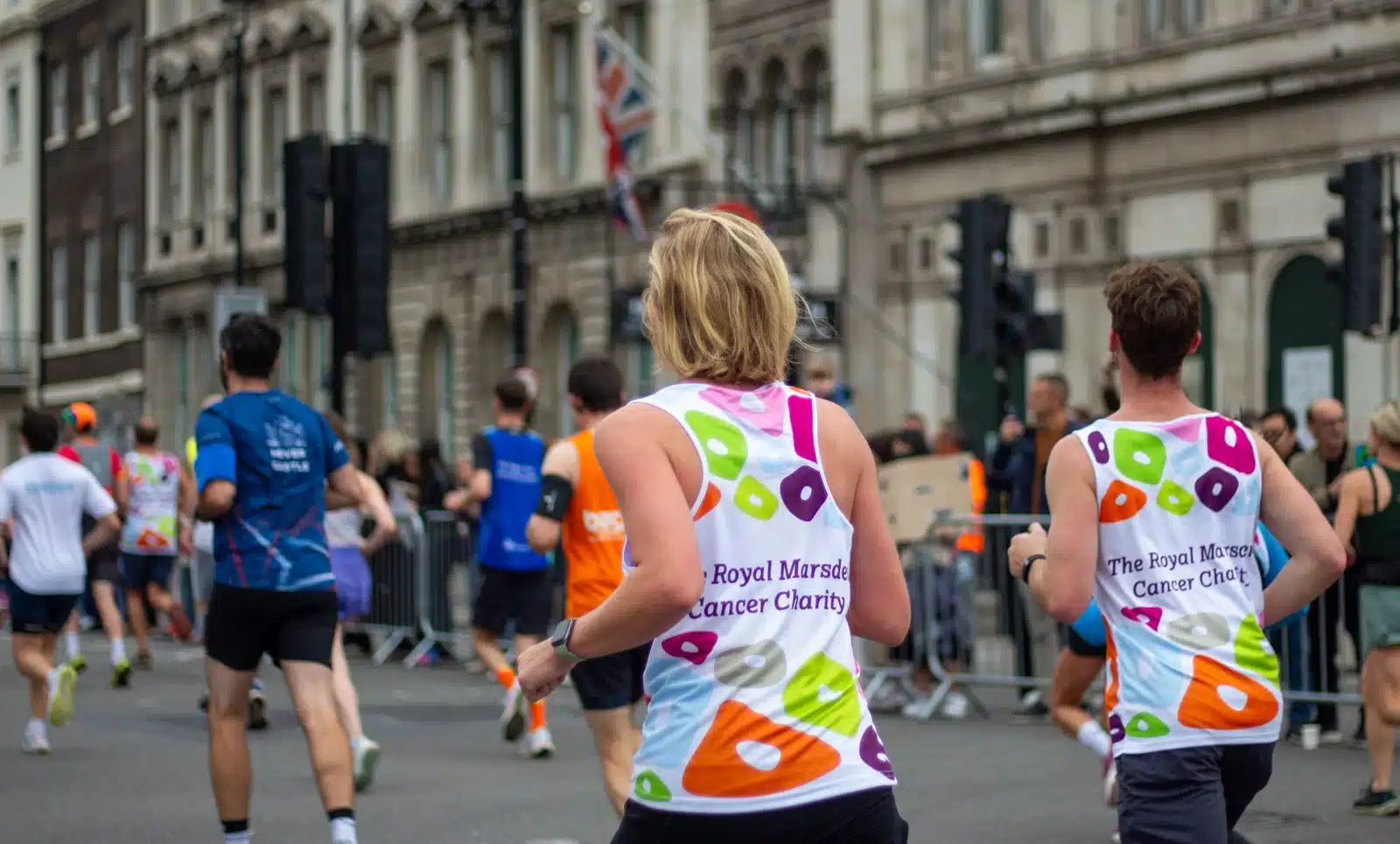
Charity runners: Many runners participate through charity partnerships, using the event as a fundraising challenge.
Corporate runners: The Corporate 13.1 competition allows companies to purchase guaranteed places and form teams of four to seven runners. Corporate participants can compete in male, female and mixed team categories.
Community runners: Community running groups can also access dedicated places, supporting broader participation in the event.
The field includes runners from different experience levels. Because the course is generally flat with only gentle undulations, the event attracts both people chasing personal times and participants primarily interested in completing their first or next half marathon.
Tournament format & competition structure
The Royal Parks Half Marathon uses a straightforward 13.1-mile road-race format. There are no knockout rounds or qualifying heats during race day. Instead, thousands of participants begin in staggered waves and complete the same central London course.
The timing chip attached to each runner’s race number records the official race time when the participant crosses the start line. This means runners do not need to worry if their allocated start occurs after the headline race-start announcement.
The event also includes the Corporate 13.1 competition, in which companies form teams of four to seven runners. Corporate participants can compete for team honors across male, female and mixed categories while also using the event as a charitable fundraising opportunity.
The route itself is one continuous lap. It starts in Hyde Park, travels through the four Royal Parks and central London, and finishes in Kensington Gardens.
Match/event times
The 2026 race is expected to begin at approximately 8:45am, with the final wave expected to start between approximately 9:30am and 9:45am. The event village opens from 7:30am. Individual runners receive their precise arrival and start instructions through their runner timetable.
The staggered format is important because the race attracts a very large field. Participants should follow the arrival time and wave information shown on their race documentation rather than arriving at the same time as every other runner.
The course includes four water stations, currently planned at approximately miles 3.5, 6.5, 9.5 and 11, although these locations are subject to change. Toilets are also positioned at various points along the route and within the event village.
Ticket types
For this event, the main ticket is a race entry rather than a conventional spectator ticket. Entry routes for participants can include public ballot places, charity places and corporate places.
Public ballot place: The standard public entry route for the 2026 race was through the official ballot. The 2026 UK ballot has now closed.
Charity place: Runners who missed the public ballot can participate through one of the event’s charity partners, subject to the individual charity’s availability and fundraising requirements. The official event site confirms that charity places remain available.
Corporate place: Companies can purchase guaranteed places through the Corporate 13.1 programme and create teams for the corporate competition.
2026 public entry reference: The official 2026 ballot terms set the race entry fee at £66 plus a £4.95 administration fee. Using a GBP/USD rate of approximately 1.322 on 25 September 2026, this corresponds to approximately $87.25 for the race fee, $6.54 for the administration fee and $93.79 in total.
Charity places may have separate registration fees and fundraising commitments, so the final cost depends on the charity through which a runner participates.
Ticket release phases
The 2026 entry process followed several stages.
Public ballot: The UK public ballot opened in January 2026 and closed at 5:00pm GMT on 6 February. Successful entrants were selected randomly and notified on 12 February.
Confirmation period: Successful ballot entrants needed to confirm their places, complete registration and pay any outstanding fees by the required deadline.
Second-chance allocation: Places that were not confirmed by successful ballot entrants could be reallocated through a second-chance process.
Charity places: Runners unsuccessful in the ballot could seek a place through participating charities. The official event site continues to direct runners toward charity opportunities.
Corporate places: Companies have a separate guaranteed-entry route through the Corporate 13.1 programme.
Because the 2026 public ballot has already closed, anyone looking for an available place should use the official charity-entry route rather than attempting to obtain or transfer a race number privately.
VIP & hospitality options
The Royal Parks Half Marathon has a dedicated event village with hospitality and partner areas in Hyde Park. The event-village setup has included a VIP marquee alongside charity marquees, partner activations, food and drink areas, information facilities and recovery areas.
VIP facilities: Hospitality arrangements can provide a more comfortable base around race day, although specific 2026 packages and inclusions should be checked through the official organiser.
Corporate hospitality: Corporate participation is particularly suited to companies that want to combine guaranteed race places, team participation, charitable fundraising and an event-day experience for employees and supporters.
Post-race experience: The event village provides a place for runners to recover, meet supporters and enjoy food, drink and partner activities after completing the course.
Hospitality availability can change between editions, so runners and companies should confirm current options before making arrangements.
Stadium & event rules
All participants must follow the official runner terms, race instructions and safety procedures. Race numbers are assigned to individual participants and should not be transferred to another person. The timing chip is attached to the race number and must remain intact for official timing.
Minimum age: Participants must be at least 17 years old on race day.
Race number: Each runner must use their own allocated race number.
Wave movement: Runners may move backward to a later wave when necessary but cannot move forward to an earlier wave.
Headphones: Headphones and earphones are permitted, but runners are asked to remain aware of other participants, marshals, signs and safety instructions.
Hydration: Participants are encouraged to be self-sufficient where possible and to bring a refillable bottle or hydration belt if appropriate. Four water stations are planned on the course.
Energy gels: The organisers do not provide energy gels, so runners who normally use them should bring their own familiar products.
Road closures: Extensive road and cycling restrictions operate around the race. Drivers and cyclists should check the latest official closure information before travelling.
How to get there
Hyde Park is centrally located and can be reached from multiple parts of London by Underground, bus, rail and walking routes. Because the race causes significant road restrictions, public transport is generally the practical way to reach the event area.
The event organisers recommend planning the journey in advance and following the walking routes from nearby stations. The event’s runner information includes dedicated walking guides from several Underground and railway stations.
International visitors arriving in London can use the city’s major airports and then connect to central London by public transport. Heathrow is particularly well connected to the central area through Underground and rail services.
Participants should allow additional travel time on race morning because normal road routes can be affected by event closures.
Public transport & parking
Several Underground stations are within walking distance of the event village and start area.
Knightsbridge: Approximately 12 minutes’ walk and served by the Piccadilly line.
Hyde Park Corner: Approximately 15 minutes’ walk and served by the Piccadilly line.
Green Park: Approximately 20 minutes’ walk, with access to the Victoria and Jubilee lines and step-free access noted by the organisers.
South Kensington: Approximately 20 minutes’ walk and served by the Piccadilly line.
Victoria: Approximately 25 minutes’ walk, with step-free access.
Marble Arch: Approximately 25 minutes’ walk on the Central line.
Lancaster Gate: Approximately 25 minutes’ walk on the Central line.
Bond Street: Approximately 35 minutes’ walk, served by the Central, Jubilee and Elizabeth lines with step-free access.
Parking is not the preferred option on race morning because roads around the parks and Westminster are subject to closures. The organisers specifically advise drivers to plan ahead and allow extra time.
Accommodation areas
Visitors travelling to London for the Royal Parks Half Marathon have a wide range of accommodation choices around the central London course.
Hyde Park and Paddington: Convenient for the event village and useful for runners who want a relatively short journey before the race.
Kensington: Close to the finish area and well connected to the western section of the course.
Knightsbridge: Particularly convenient for Hyde Park and the eastern side of Kensington Gardens.
Victoria and Westminster: Useful for visitors who want access to central London attractions and several Underground connections.
Mayfair: Offers a central location close to Green Park, Hyde Park and major shopping areas.
South Kensington: Convenient for the western parks and attractions such as museums and Royal Albert Hall.
Runners should consider accommodation that minimizes the need for complicated early-morning transfers. Staying near an Underground station can be particularly useful if road closures affect taxis and buses.
Food & drink at the venue
Food and drink are an important part of the event-village atmosphere. The Hyde Park village has included dedicated food areas, coffee facilities, partner activations and refreshments for runners and supporters.
Water is available in the event village, while the course has four planned water stations. The organisers encourage runners to use hydration methods they have already practiced during training rather than trying unfamiliar products on race day.
Participants should also remember that energy gels are not supplied by the event. Anyone who relies on gels or another race-fueling product should bring their own preferred option.
Beyond the event village, central London provides extensive choices for pre- and post-race meals, including cafés, restaurants, hotel dining rooms and casual food outlets around Hyde Park, Kensington, Mayfair, Westminster and South Kensington.
Accessibility
The Royal Parks Half Marathon provides dedicated arrangements for participants with disabilities. The organisers offer a limited number of wheelchair places and have made course adjustments over successive years to support wheelchair participation.
Wheelchair participation: Eligible participants must use a self-propelled day chair. Handcycles, racing wheelchairs, walking frames, crutches and motorised wheelchairs are not permitted under the event’s current rules. Participants who require a guide runner to push them can be accommodated under the stated arrangements.
Assistance: Visually impaired runners and participants whose disability or medical condition requires an assistant can request an assistant race place. The event states that eligible participants can receive a free assistant place.
Accessible viewing: The event route information identifies accessible viewing areas, and the event village includes accessible toilet facilities.
Participants requiring specific assistance should contact the organisers before race day so appropriate arrangements can be confirmed.
Best matches/events to attend
Although the Royal Parks Half Marathon is a single race rather than a multi-match sports tournament, there are several parts of the event that can be especially significant for spectators.
The start: Hyde Park provides the main gathering point as thousands of runners prepare for their waves.
Buckingham Palace section: The route provides runners and spectators with a memorable central London setting around one of the capital’s best-known landmarks.
Horse Guards Parade: The refreshed route gives participants a distinctive section with views toward the London Eye.
The Mall: The course runs along The Mall twice, creating another recognizable London backdrop.
Serpentine Road: The organisers describe this section as a particularly energetic support point, making it a notable place for spectators to experience the race atmosphere.
Finish at the Albert Memorial: The finish line between the Albert Memorial and Royal Albert Hall creates the signature closing moment of the current route.
Supporters should plan their viewing locations carefully because road closures and crowd movement can make it difficult to move rapidly between different parts of the course.
Previous year’s highlights
The 2025 edition marked an important change in the event’s course and finish-line experience. A new finish line was introduced between the Albert Memorial and Royal Albert Hall, changing the final section of the race and creating a more distinctive landmark setting for participants.
The 2025 race also continued to attract a field of around 16,000 runners, with participants competing for personal achievements, charity fundraising and corporate team goals. The official results archive maintains results from 2025 and earlier editions.
The event’s charitable impact remained a major part of the race. The organisers state that the Royal Parks Half Marathon has raised more than £80 million for more than 1,900 UK charities since its creation. Funds raised for The Royal Parks charity support conservation, wildlife, historic monuments and public enjoyment of London’s Royal Parks.
The 2025 event also demonstrated the continued festival character of the race, with entertainment, partner activations, food and drink and supporter facilities surrounding the running competition.
Official tickets
The official entry process for the 2026 Royal Parks Half Marathon is managed through the event’s official channels. The public ballot for 2026 has closed, while the official website currently states that charity places remain available for runners who want to participate through fundraising.
Official event website: Royal Parks Half Marathon official website (https://www.royalparkshalf.com/)
Official entry information: 2026 entry and registration information (https://www.royalparkshalf.com/enter)
Charity places: Charity entries should be obtained through the event’s official charity-partner network rather than through unofficial resale channels.
Race information: Official runner information (https://www.royalparkshalf.com/runner-information)
Runners should use official channels for any remaining 2026 opportunities and for future Royal Parks Half Marathon ballot announcements.
Tickets Sell Out
in Minutes
Maps
Contact
Video
FAQ's
What is the Royal Parks Half Marathon?
The Royal Parks Half Marathon is a 13.1-mile road race through central London that passes through four Royal Parks: Hyde Park, The Green Park, St James’s Park and Kensington Gardens. The course also passes major landmarks including Buckingham Palace, Horse Guards Parade, Big Ben, the Houses of Parliament, Kensington Palace and the Royal Albert Hall.
Where does the Royal Parks Half Marathon start and finish?
The event village and start area are based in Hyde Park, while the current course finishes in Kensington Gardens between the Albert Memorial and Royal Albert Hall. The refreshed finish was introduced for the 2025 edition and remains part of the 2026 route.
How does the Royal Parks Half Marathon start?
The race uses staggered waves rather than sending the entire field across the start line at once. Runners receive an individual timetable showing their recommended arrival time, wave number and start time, while the official timing chip begins recording when each participant crosses the start line.
Can wheelchair users and runners who need assistance take part?
The event provides a limited number of wheelchair places and arrangements for eligible participants with disabilities. Self-propelled day chairs are permitted under the current rules, while participants who need an assistant can request a free assistant race place where they meet the eligibility requirements.
Is the Royal Parks Half Marathon suitable for first-time runners?
The course is generally flat with some gentle undulations, and it attracts both experienced runners and people completing their first half marathon. The closed-road setting, staggered waves, water stations and extensive support around the course provide a structured environment, although participants should prepare properly for the 13.1-mile distance.