
Bilbao Aste Nagusia 2027 – Bilbao, Spain
Overview
Bilbao Aste Nagusia 2027, also known as the Semana Grande de Bilbao or Bilbao Big Week, will take place from 21 to 29 August 2027 in Bilbao, Basque Country, Spain. The nine-day celebration fills the city with concerts, traditional Basque culture, street performances, fireworks, children’s activities, sporting events, food, dancing and late-night festivities.
Aste Nagusia is one of Bilbao’s defining annual celebrations. Rather than taking place in one enclosed festival ground, it spreads through central Bilbao, with major activity around the Arenal, the Old Town, the Nervión riverfront and several squares and public spaces.
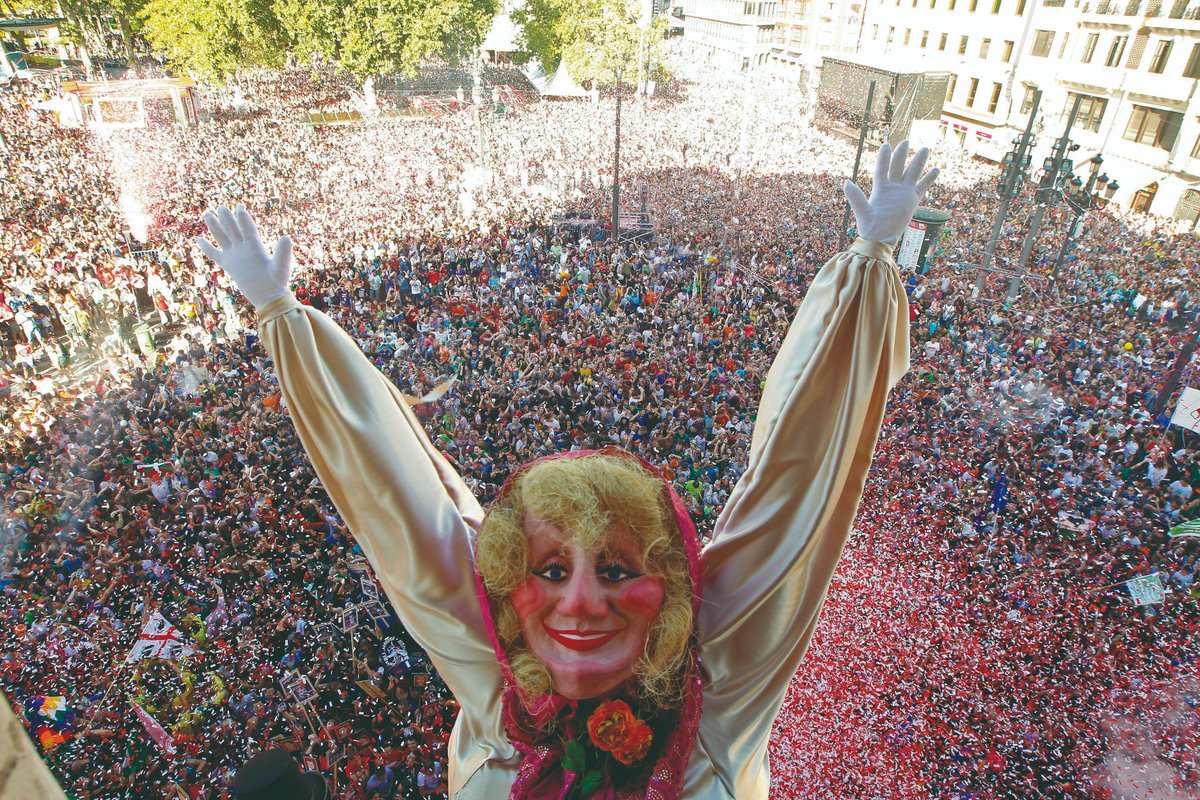
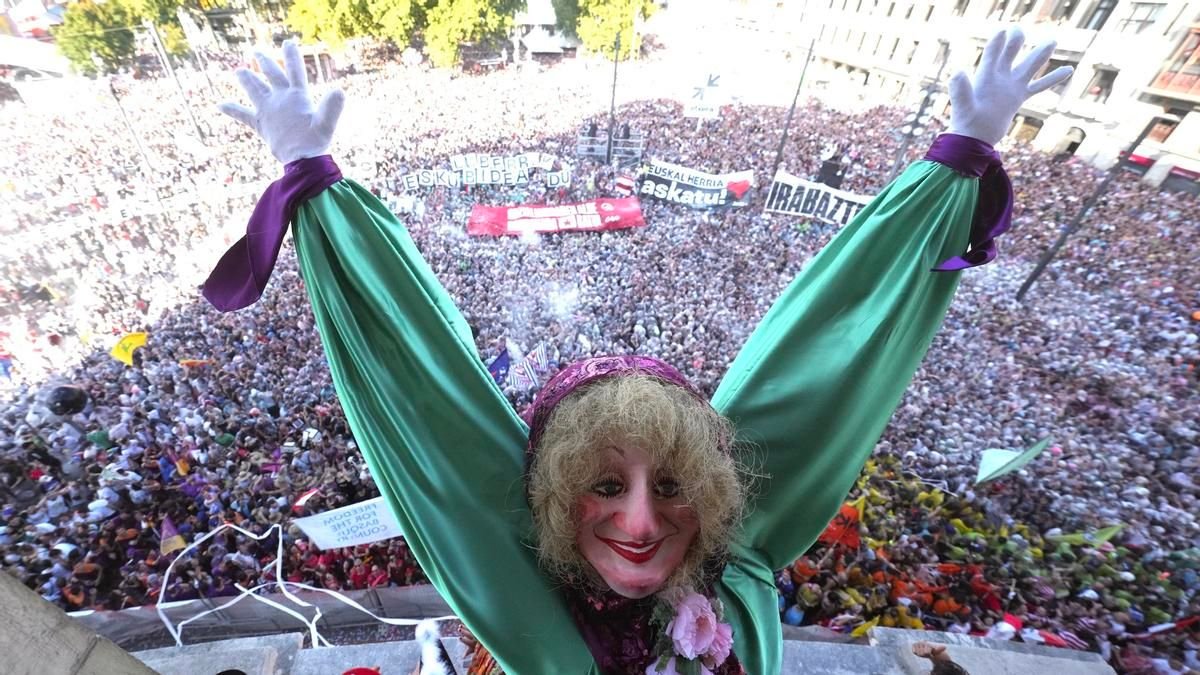
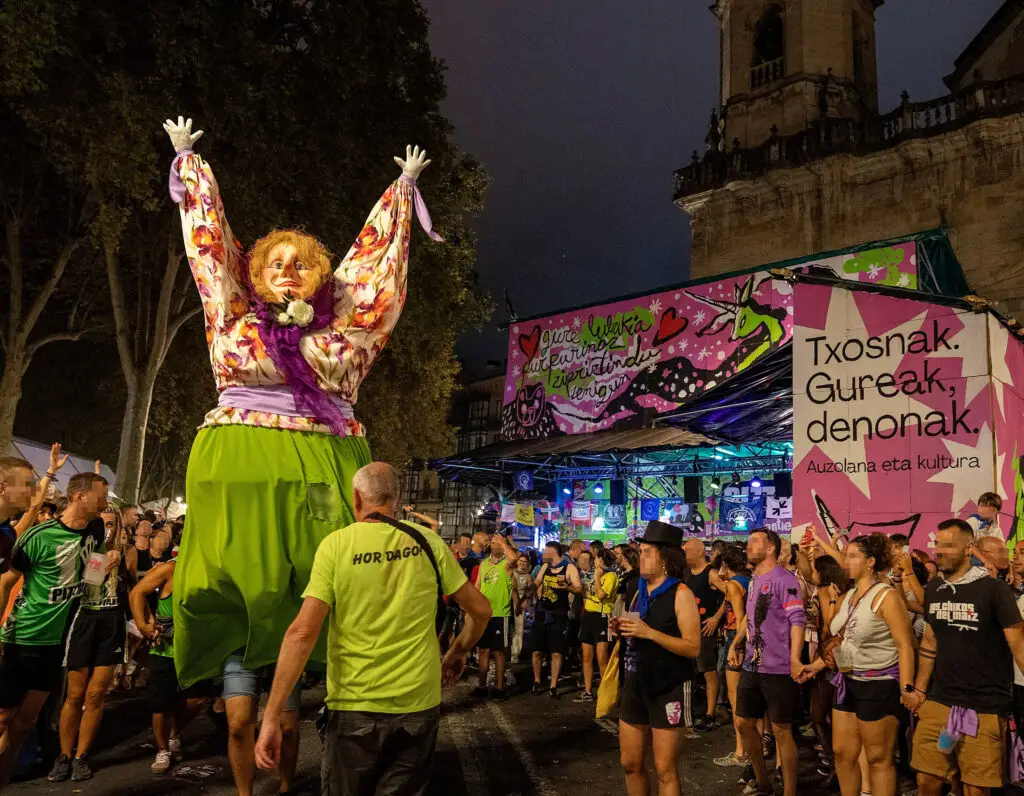
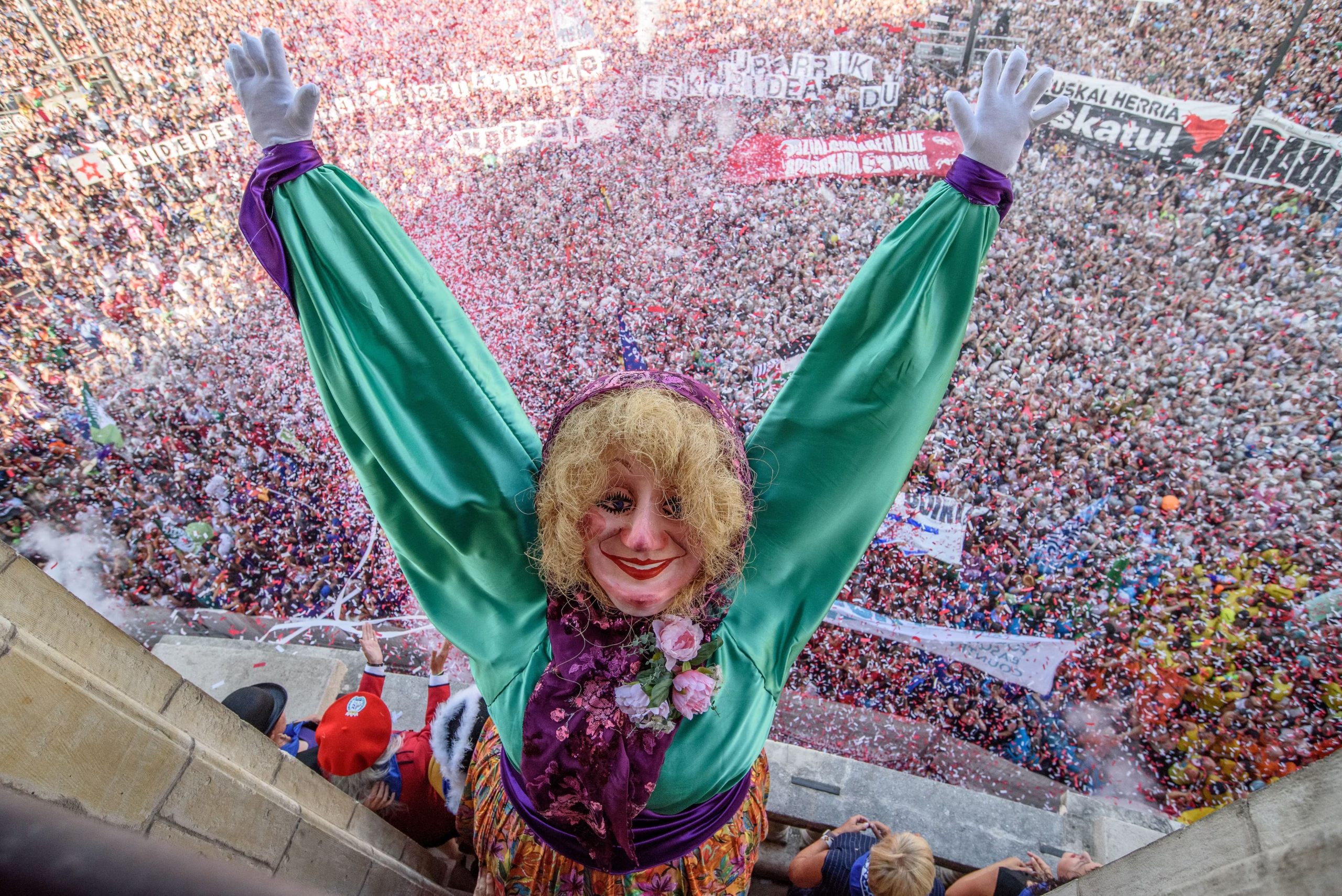
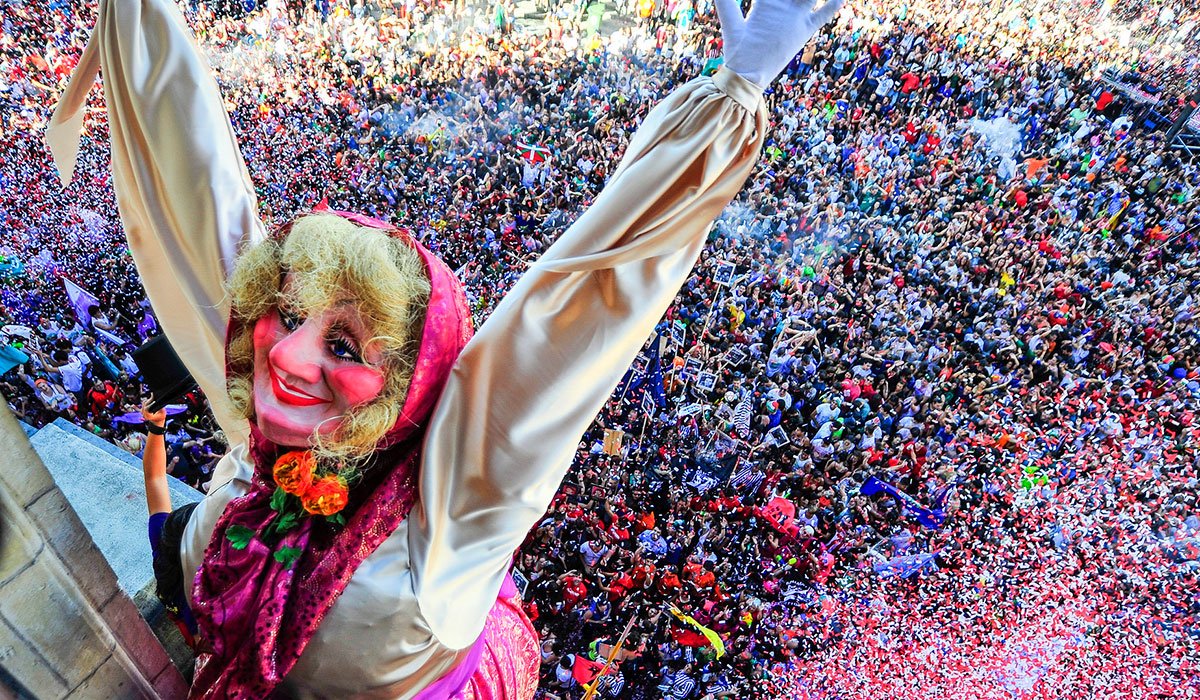
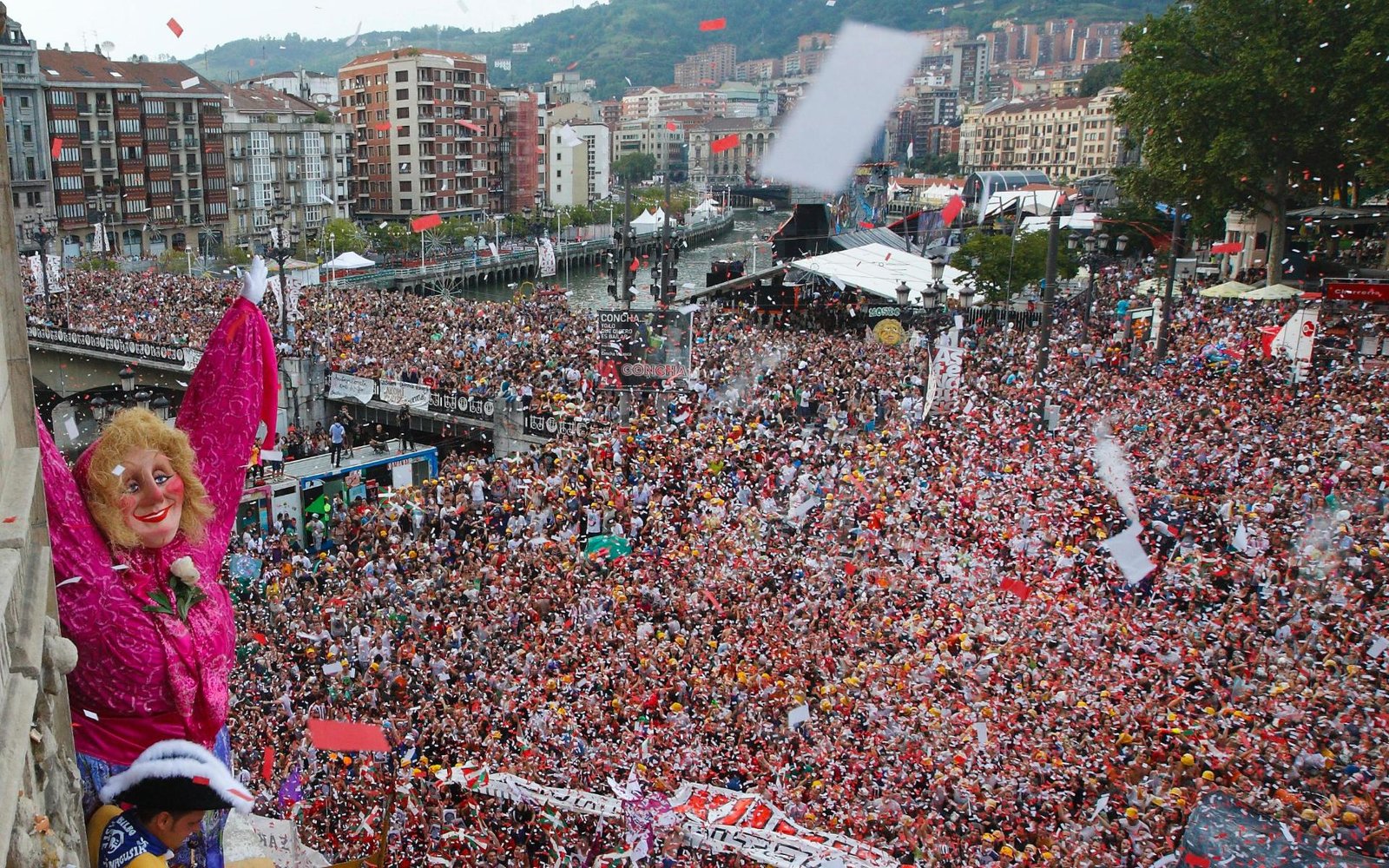
The festival’s identity is strongly connected with Marijaia, the colourful giant figure that symbolises the festivities. Her appearance at the opening and her dramatic farewell at the end of the week are among the traditions that make Aste Nagusia particularly recognisable.
Make Your European Event Trip Easy with Eura Travelo
Traveling to Europe for a festival, concert, sporting event, or business occasion involves more than simply choosing an event. Eura Travelo helps bring your journey together with support for travel planning, accommodation, event arrangements, and local experiences. Save time, reduce the hassle, and enjoy a smoother journey from planning to the event itself.
Cultural Significance & Origins
Aste Nagusia was created in 1978, when several Bilbao associations organised a competition for ideas for a new citywide Semana Grande. Until then, summer activities in Bilbao were comparatively scattered. The new festival gradually developed into a major annual celebration involving the city government, local associations and the konpartsak.
The festival has a distinctive popular and participatory character. The Bilboko Konpartsak, made up of 28 konpartsas, play an important role in organising activities around the Arenal and their txosnas, while the Bilbao City Council coordinates a large part of the official programme.
Although San Sebastián and other Basque cities have their own major fiestas, Bilbao’s Aste Nagusia has developed its own traditions, symbols and style. It combines Basque cultural activities with contemporary concerts, nightlife and large public events.
Marijaia, Chupinazo & Opening Traditions
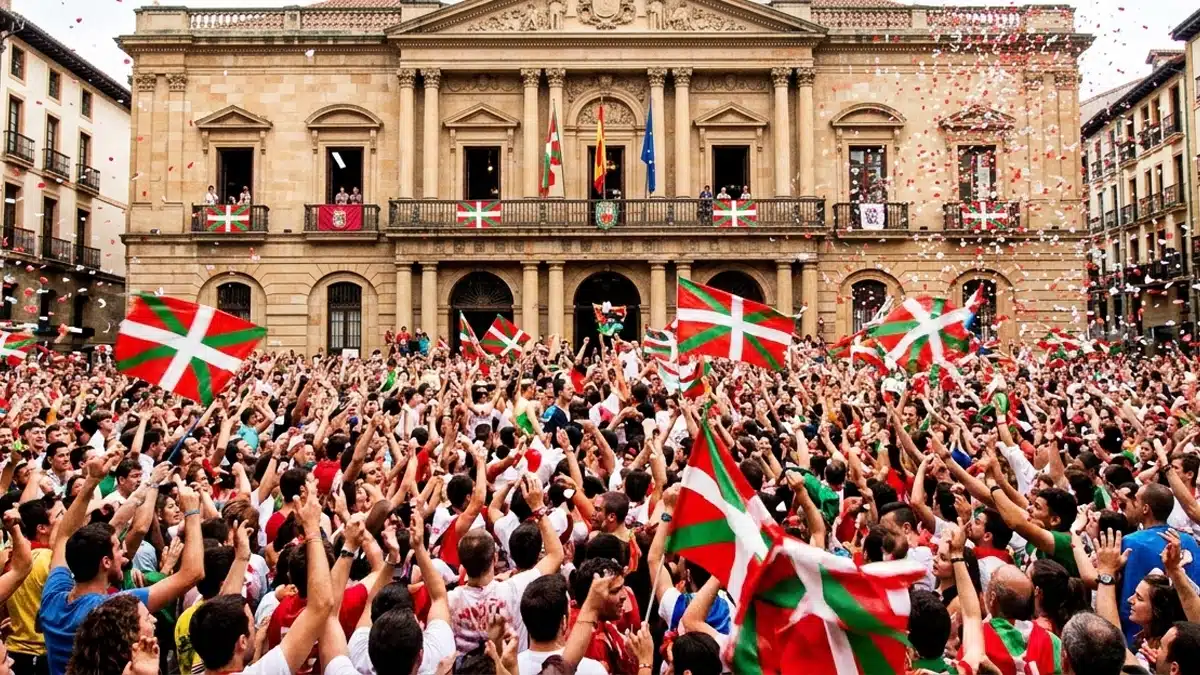
The festival begins with the chupinazo, the traditional rocket that announces the start of Aste Nagusia, together with the reading of the opening proclamation. Marijaia then appears from the balcony of the Arriaga Theatre, marking the official beginning of the celebrations.
Marijaia is one of the central symbols of the festival. Her image appears throughout Bilbao during Aste Nagusia, from posters and decorations to souvenirs and festival activities.
The opening day is normally one of the busiest moments of the entire week. Visitors who want to experience the chupinazo should arrive well before the ceremony because central areas become extremely crowded.
What to Expect at the Festival
Aste Nagusia offers a mixture of formal city-organised events and activities created by local konpartsas. Visitors can move between concerts, traditional performances, food events, children’s activities, street theatre and evening celebrations throughout the day.
The Arenal and surrounding streets are particularly associated with the txosnas, temporary festival spaces organised by the konpartsas. These areas provide food, drinks, music, social activities and their own programme of events.
The official programme is also extensive. Recent editions have included more than 100 activities connected with Basque folklore, including euskal dantzak, herri kirolak, giants and big-head figures, kalejiras, txistularis, bertsolaris, rowing and pelota.
Music, Concerts & Nightlife
Music is one of the major attractions of Bilbao Aste Nagusia. Concerts take place across several parts of the city, with large stages used for headline performances as well as smaller spaces for local, Basque and emerging artists.
Recent editions have used locations including Abandoibarra, Parque Europa, Plaza Nueva, Plaza de la Encarnación and the riverside areas. The exact 2027 concert programme has not yet been announced.
Free outdoor performances are a major part of the festival. In the 2026 edition, Bilbao promoted more than 100 free musical performances across nine spaces, illustrating the scale of the city’s public entertainment programme. This is recent background rather than a confirmed number for 2027.
Traditional Basque Culture & Activities
Aste Nagusia provides an opportunity to experience Basque traditions alongside the contemporary festival atmosphere. Traditional dance, txistu music, bertsolaritza, Basque rural sports and pelota can all form part of the programme.
The konpartsas also organise competitions, parades, children’s events and other activities around the Arenal. Their programme gives the festival a strong community element that extends beyond the events organised directly by the city.
Food is another important part of this local culture. Gastronomic competitions and activities organised by the konpartsas are traditionally included among the events around the Arenal.
Fireworks & Evening Programme
The nightly fireworks competition is one of the most anticipated parts of Aste Nagusia. International fireworks companies traditionally compete during the festival, with large crowds gathering along the Nervión river and surrounding viewpoints.
The riverside location gives visitors several possible viewing areas, although popular locations can become crowded. The exact 2027 fireworks competition dates, participating companies and times have not yet been announced.
Evenings continue well beyond the fireworks, with concerts, txosnas, dance events and other activities continuing throughout the city.
Date & Schedule
Bilbao Aste Nagusia 2027 is scheduled for Saturday 21 August through Sunday 29 August 2027. The official Euskadi tourism listing currently gives these dates and describes the celebration as a nine-day festival.
The detailed daily programme has not yet been published. The opening will traditionally involve the chupinazo, proclamation and appearance of Marijaia, while the final day will feature Marijaia’s farewell and the closing celebrations.
Visiting this event? Don’t miss out on these amazing activities and local experiences while you’re here.
Main Festival Areas
Aste Nagusia is spread across central Bilbao. El Arenal is one of the most important festival areas and is particularly associated with the txosnas and activities organised by Bilboko Konpartsak.
The Old Town, including areas around Plaza Nueva and surrounding streets, provides another important part of the festival atmosphere. The Nervión riverfront is especially useful for visitors interested in fireworks and large outdoor events.
Other programme locations can include Abandoibarra, Parque Europa, Plaza de la Encarnación, Plaza de Unamuno, Plaza de Bizkaia and riverside spaces. The exact 2027 distribution will depend on the final programme.
Event History
The first Aste Nagusia was held in 1978, following the city’s search for a new large-scale summer festival. Over more than four decades, it has developed into one of the best-known fiestas in the Basque Country.
The festival’s modern identity has been shaped by the cooperation between Bilbao City Council and the konpartsas. This combination of official city programming and grassroots festival activity remains one of the defining characteristics of Aste Nagusia.
Marijaia has become the central visual symbol of the celebrations, while the chupinazo, fireworks, txosnas and traditional Basque activities form a recurring framework for the nine-day festival.
Getting to Bilbao Aste Nagusia
Bilbao is well connected by air, rail and road. Bilbao Airport is the main international gateway, with public transport connections into the city centre.
Bilbao’s metro, tram, buses and suburban rail services make it possible to move around the city without a car. During Aste Nagusia, central streets can become very busy and some traffic arrangements may change, particularly around large events and processions.
For visitors staying centrally, many of the main festival areas are close enough to reach on foot. Walking can be particularly practical when moving between the Old Town, Arenal and riverside locations.
Where to Stay Nearby
Staying in or close to central Bilbao is convenient because many festival activities take place within walking distance of the Old Town and city centre. Areas around the Old Town, Abando and Indautxu provide access to restaurants, public transport and evening activities.
Accommodation demand can be high during Aste Nagusia because the festival attracts large numbers of visitors. Booking early is therefore advisable if you want to stay in central Bilbao throughout the nine-day celebration.
Visitors who prefer quieter accommodation can stay farther from the centre and use Bilbao’s public transport network, although late-night journeys should be planned around the festival schedule.
Restaurants & Local Food
Bilbao is one of Spain’s well-known food destinations, and Aste Nagusia provides an opportunity to experience both everyday Basque dining and the more informal food culture surrounding the festival.
Visitors can try pintxos in the Old Town, along with dishes featuring seafood, grilled fish, local meats and seasonal ingredients. Basque cider, wine and other regional drinks are also widely available.
The festival itself adds another layer of food culture through gastronomic competitions, txosnas and temporary food areas. During the busiest evenings, eating earlier can make it easier to find a table before the main concert and nightlife crowds arrive.
Family Activities & Accessibility
Aste Nagusia is not limited to nightlife. The city organises children’s activities and family-oriented programming, including the Txikigune, which has become an important part of the festival programme.
Bilbao has also increased accessibility measures in recent editions. In 2026, the city provided adapted activities in the Txikigune, reserved areas for children with functional diversity during the Desfile de la Ballena, quieter periods for people with autism or sensory sensitivity in selected areas, accessible spaces at several concert venues and sign-language interpretation for selected performances.
These measures demonstrate the direction of the festival’s recent accessibility planning, but the exact arrangements for 2027 should be confirmed once the new programme is published.
Ticket Information & Access
Many of the major public activities of Aste Nagusia are free, including numerous outdoor concerts, fireworks, street performances and traditional events. The festival is not based around a single general admission ticket.
Some individual events or venues may have separate admission requirements. The bullfighting programme at Vista Alegre Bullring, for example, is separately ticketed, while other cultural performances can have their own arrangements.
The 2027 programme should provide the definitive information about any ticketed activities.
Tips Before You Go
Plan your accommodation early, particularly if you want to visit during the opening weekend or stay for the full nine days. Central hotels can become busy during Aste Nagusia.
Wear comfortable shoes because many visitors spend long periods walking between festival areas. Central Bilbao can also become extremely crowded around the chupinazo, major concerts and fireworks, so allow extra time when moving around the city.
If you want to see particular concerts or traditional events, check the official programme once released rather than planning around the previous year’s timetable. Aste Nagusia changes its programme and locations from one edition to another.
Official Event Information
Bilbao Aste Nagusia is organised through cooperation between Bilbao City Council, Bilboko Konpartsak and other festival organisations. The official city programme is the definitive source for concerts, fireworks, cultural activities, access arrangements and daily schedules.
Bilbao Aste Nagusia – Official Bilbao Information: https://www.bilbao.eus/
The 2027 dates are currently listed as 21–29 August 2027, while the detailed programme remains to be announced.
Tickets Sell Out
in Minutes
Maps
Contact
Video
FAQ's
How did Aste Nagusia begin?
The festival began in 1978, after Bilbao associations organised a competition to develop the idea of a new Semana Grande for the city. It subsequently developed into one of the major annual festivals of the Basque Country.
Who is Marijaia?
Marijaia is the symbolic figure of Bilbao's Aste Nagusia. She appears during the opening celebrations and traditionally returns to the centre of the closing ceremony before being burned, symbolically bringing the fiestas to an end and representing their return the following year.
What happens during the chupinazo?
The chupinazo is the traditional rocket that officially launches the festivities, accompanied by the opening proclamation. Marijaia then appears from the Arriaga Theatre, marking the beginning of the celebrations. The area becomes extremely crowded, so visitors should arrive early if they want to experience the ceremony.
Where are the main Aste Nagusia activities held?
Activities are distributed around central Bilbao. The Arenal, Old Town, Plaza Nueva, riverfront, Abandoibarra and Parque Europa are among the important festival areas, although the exact 2027 locations will depend on the final programme.
What are the txosnas?
Txosnas are temporary festival spaces associated with Bilbao's konpartsas. They provide food, drinks, music and cultural or social activities, particularly around the Arenal and surrounding festival area. They are an important part of the community-led side of Aste Nagusia.
Where should I stay during Aste Nagusia?
Central Bilbao is convenient because many festival locations can be reached on foot. The Old Town, Abando and Indautxu are practical areas, while accommodation farther away can also work because Bilbao has an extensive public transport network.